A Complete Guide to Exploring Yosemite National Park
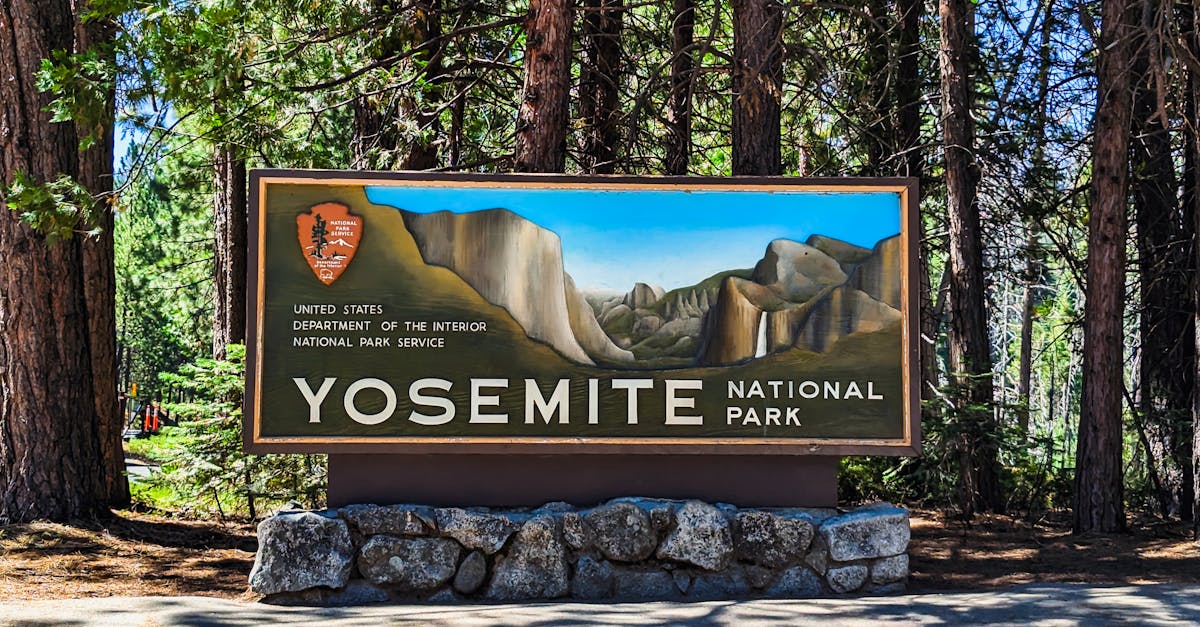 This photo was taken by Dudubangbang Travel on Pexels.
Welcome to the crown jewel of California's Sierra Nevada mountains! Yosemite National Park is a breathtaking sanctuary where towering granite cliffs, ancient sequoias, and thundering waterfalls create an unforgettable landscape that has inspired artists and adventurers for generations. Whether you are standing in awe beneath the massive face of El Capitan or seeking solitude along the quiet trails of Tuolumne Meadows, this guide is your essential companion for navigating this natural wonderland. We will walk you through the iconic must-see landmarks alongside secret hidden gems known only to locals, recommend hiking trails tailored to every skill level from beginners to seasoned mountaineers, and provide crucial planning advice on the best seasons to visit, necessary permits, and insider tips to ensure your trip is as smooth as it is spectacular. Get ready to immerse yourself in one of the most magnificent places on Earth.
This photo was taken by Dudubangbang Travel on Pexels.
Welcome to the crown jewel of California's Sierra Nevada mountains! Yosemite National Park is a breathtaking sanctuary where towering granite cliffs, ancient sequoias, and thundering waterfalls create an unforgettable landscape that has inspired artists and adventurers for generations. Whether you are standing in awe beneath the massive face of El Capitan or seeking solitude along the quiet trails of Tuolumne Meadows, this guide is your essential companion for navigating this natural wonderland. We will walk you through the iconic must-see landmarks alongside secret hidden gems known only to locals, recommend hiking trails tailored to every skill level from beginners to seasoned mountaineers, and provide crucial planning advice on the best seasons to visit, necessary permits, and insider tips to ensure your trip is as smooth as it is spectacular. Get ready to immerse yourself in one of the most magnificent places on Earth.
Must-See Landmarks and Hidden Gems
Yosemite National Park stands as a crown jewel of California, offering iconic vistas that have inspired artists and adventurers for over a century. You simply cannot leave without witnessing the sheer grandeur of El Capitan, where world-class climbers test their limits against the massive granite monolith, or marveling at the thunderous cascade of Yosemite Falls, one of the tallest waterfalls in North America. The valley floor itself is a masterpiece of nature, framed by towering cliffs like Half Dome and Bridalveil Fall, providing endless opportunities for photography and reflection. These legendary sites are the heart of the park, drawing visitors from around the globe to experience the raw beauty that defines the Sierra Nevada range.
Beyond the bustling main attractions lie hidden gems that offer a more serene and intimate connection with the wilderness. Venture off the beaten path to Wawona, where you can walk among the ancient Giant Sequoias in Mariposa Grove, including the majestic General Sherman Tree, the largest living tree on Earth. For those seeking solitude, the Tuolumne Meadows area provides expansive alpine meadows perfect for wildflower viewing in summer and quiet stargazing under unpolluted skies. Exploring these lesser-known trails allows you to escape the crowds and discover the quiet majesty of the park, ensuring your journey through Yosemite feels both epic and deeply personal.
 This photo was taken by Mihaela Claudia Puscas on Pexels.
Best Hiking Trails for Every Skill Level
Yosemite National Park offers a breathtaking array of trails that cater to hikers of every ability, ensuring that everyone from weekend warriors to seasoned mountaineers can find their perfect adventure. For those seeking an easy, family-friendly experience, the Lower Yosemite Fall Trail provides a flat, paved path leading directly to the thundering base of one of North America's tallest waterfalls, offering stunning views without the physical strain. If you prefer a slightly more challenging walk with rewarding vistas but minimal elevation gain, the Mirror Lake Loop is an excellent choice; while it can be dry in late summer, this gentle circuit around the reflective lake and through the meadows showcases the park's iconic granite cliffs and diverse wildlife in a serene setting.
For visitors ready to tackle some serious elevation and witness the grandeur of Yosemite's high country, the park boasts legendary routes that challenge even the most fit adventurers. The Half Dome trail stands as the ultimate test, requiring cables, permits, and hours of climbing to reach the summit for panoramic views that are truly unforgettable, though the strenuous 14-mile round trip demands preparation and respect for the elements. Alternatively, the Four Mile Trail offers a steady climb up the side of the valley, connecting the valley floor to Glacier Point where you can gaze upon El Capitan and Bridalveil Fall from above, providing a sense of accomplishment and awe that defines the Yosemite experience for intermediate to advanced hikers alike.
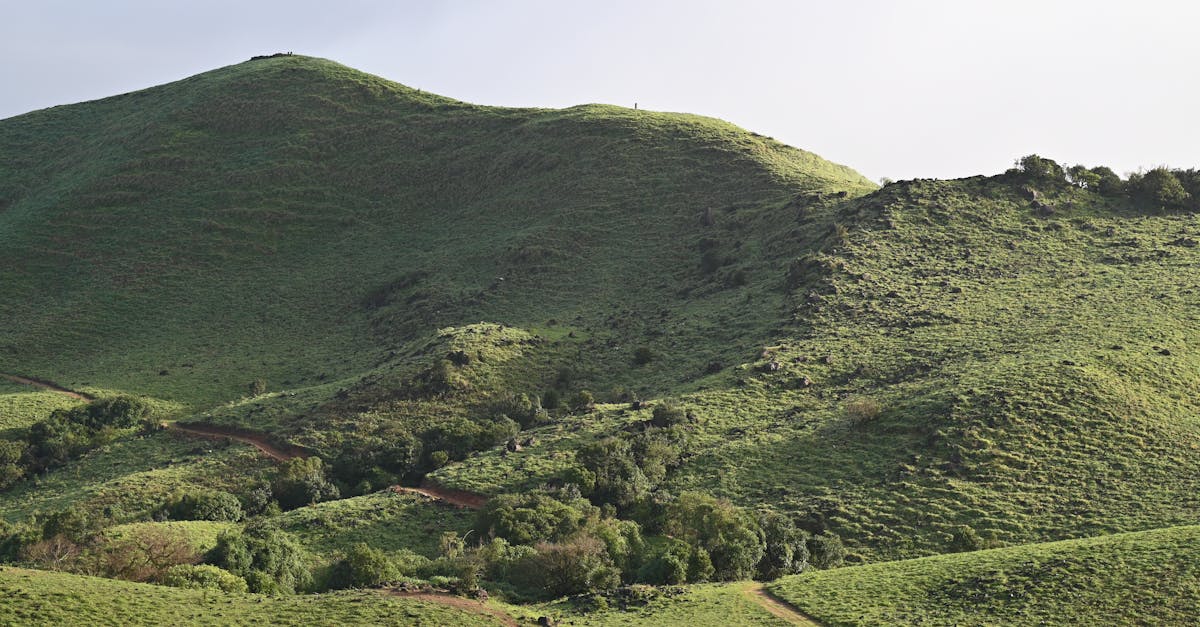 This photo was taken by Ankit Bhattacharjee on Pexels.
Planning Your Visit: Seasons, Permits, and Tips
Timing your trip to Yosemite National Park is crucial for a seamless experience, as the park transforms dramatically with the seasons. Summer offers long days and access to high-country trails like Tuolumne Meadows, though it brings the heaviest crowds and requires booking accommodations months in advance. For those seeking fewer visitors and dramatic waterfalls, late spring provides the best flow before the summer heat dries them out, while winter turns the valley into a serene wonderland perfect for snowshoeing, albeit with some seasonal road closures. Regardless of when you arrive, be aware that vehicle reservations are often required during peak periods, so check the official National Park Service website well ahead of time to secure your entry slot.
Navigating the park's regulations and logistics can significantly enhance your adventure if planned correctly. Many popular attractions, such as Half Dome and Upper Yosemite Falls, require specific wilderness permits or day-use passes that must be secured through a lottery system weeks or even months prior to your visit. To maximize your time, consider arriving at the entrance gates early in the morning to beat traffic congestion on Highway 140, and always pack layers for rapidly changing mountain weather. Additionally, utilizing the free shuttle bus system within Yosemite Valley is highly recommended during busy months to avoid parking hassles and reduce your carbon footprint while exploring iconic spots like Bridalveil Fall and El Capitan Meadow.
 This photo was taken by Caique Araujo on Pexels.