A Complete Guide to Hiking in Yosemite National Park
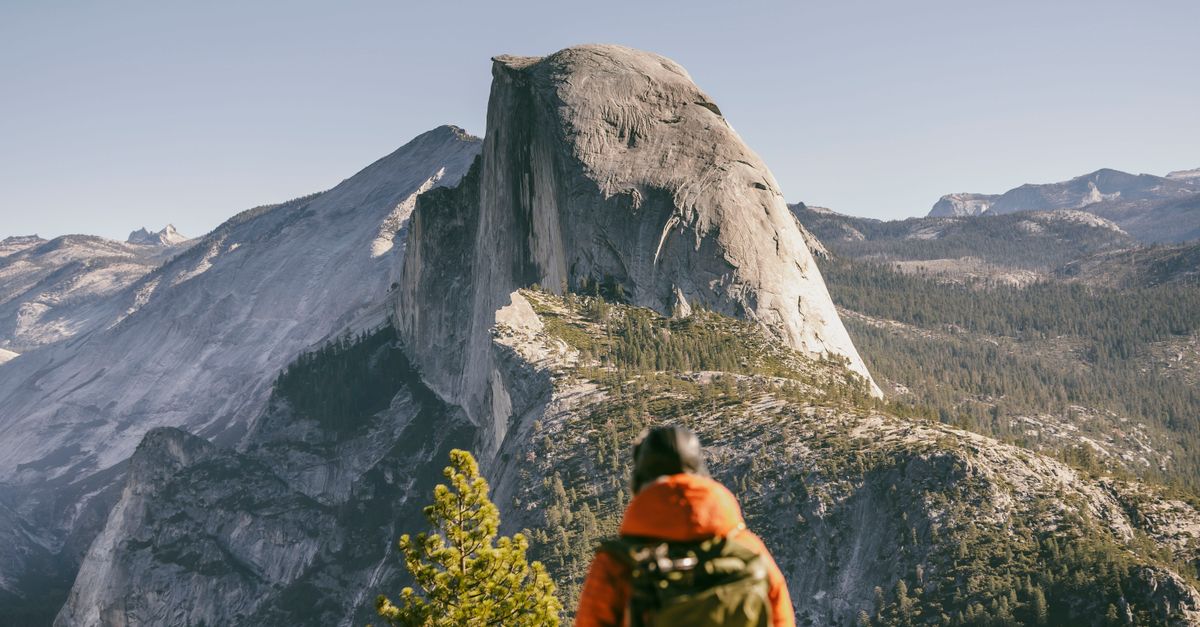 This photo was taken by Stephen Leonardi on Pexels.
Essential Trail Selections for Every Skill Level
For those just taking their first steps into the Sierra Nevada wilderness, Yosemite offers a gentle yet rewarding introduction with trails like Lower Yosemite Fall. This paved, wheelchair-accessible path winds through lush canyon floors and provides breathtaking views of the park's most iconic waterfall without demanding significant elevation gain, making it perfect for families and beginners. If you are ready to venture slightly further but still want a manageable challenge, the Mirror Lake Trail offers a scenic 2-mile round trip along the Merced River, where you can enjoy serene reflections of Half Dome on calm waters before the crowds arrive in the afternoon.
As your confidence grows, the park opens up a world of adventure for intermediate hikers seeking more rugged terrain and panoramic vistas. The Four Mile Trail is a classic choice that climbs steadily from Yosemite Valley to Glacier Point, offering sweeping perspectives of the valley floor and waterfalls from above, while the Mist Trail to Vernal Fall delivers an invigorating workout as you ascend stone stairs directly beside the roaring cascade. For the seasoned backpacker, the high country beckons with routes like the Grand Canyon of the Tuolumne or the strenuous climb to Mount Watkins, where days-long treks reveal alpine meadows, granite domes, and the quiet majesty of the backcountry that defines the true spirit of Yosemite.
 This photo was taken by Maurício Mascaro on Pexels.
Safety Tips and Seasonal Weather Considerations
When exploring the rugged trails of Yosemite, prioritizing safety is essential for an unforgettable experience. Always carry the Ten Essentials, including plenty of water, high-energy snacks, a detailed map or GPS device, and a first-aid kit, as cell service is often nonexistent in deep canyon areas. Be vigilant regarding wildlife encounters; bears are common in Yosemite Valley and Tuolumne Meadows, so store all food and scented items in provided bear-proof lockers or hang them properly when camping. Additionally, stay on marked trails to avoid unstable terrain and sudden drop-offs, especially near iconic landmarks like Half Dome where cables require proper gear and physical conditioning.
Understanding seasonal weather patterns is equally critical, as conditions can shift dramatically within minutes at higher elevations. Summer months offer warm, dry days perfect for day hikes, but afternoons frequently bring intense heat and thunderstorms that can make rock surfaces slippery and dangerous; plan your climbs for early mornings to beat both the crowds and the lightning risks. Winter transforms the park into a serene wonderland accessible via snowshoeing and cross-country skiing, but roads like Tioga Pass and Glacier Point Road remain closed due to heavy snowfall, requiring visitors to check road status before traveling. Regardless of the season, always check the official National Park Service forecast for your specific itinerary, as foggy mornings in spring can obscure trail markers while autumn brings crisp air ideal for long treks through the valley floor.
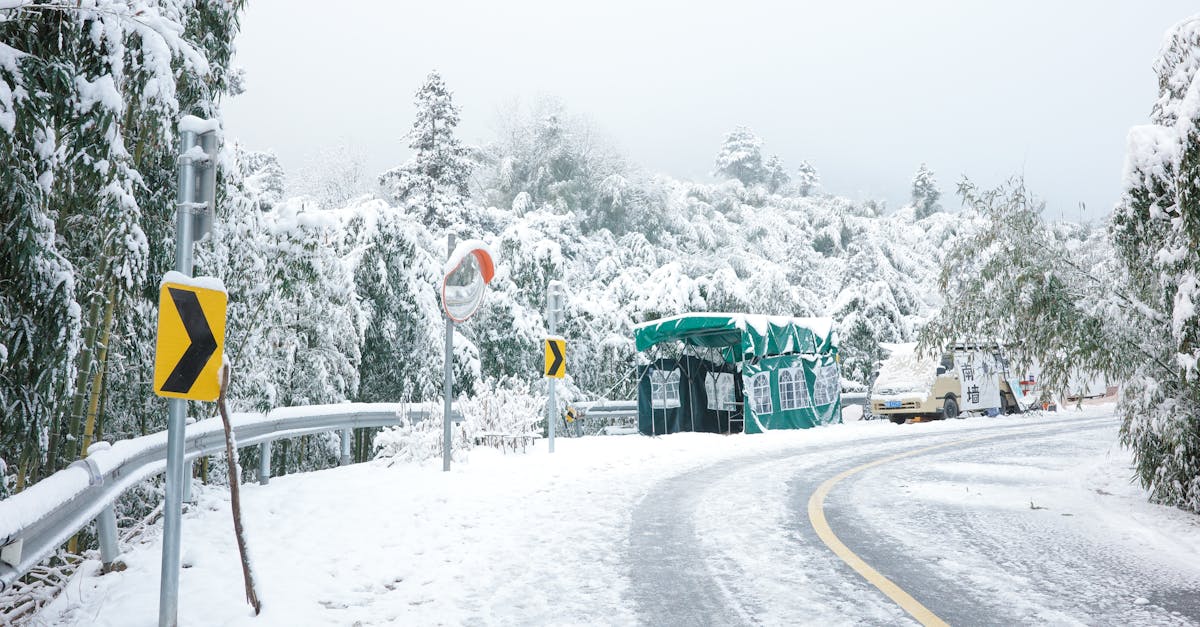 This photo was taken by Jenkin Shen on Pexels.
Must-See Landmarks Along Popular Routes
While venturing through Yosemite's iconic valleys, several landmarks serve as essential waypoints for hikers traversing the popular routes like the Valley Loop Trail or the Lower Yosemite Fall Path. The majestic Bridalveil Fall offers an immediate sense of wonder with its 620-foot plunge, often shrouded in mist that creates a rainbow effect on sunny afternoons, making it a perfect starting point for families and casual walkers. Just a short distance away, the granite monoliths of El Capitan and Half Dome dominate the skyline, providing dramatic backdrops for those hiking along the Merced River; even if you aren't summiting Half Dome, the sheer scale of these formations is best appreciated from the valley floor where the river reflects their grandeur.
For those extending their journey beyond the main valley onto trails like the Four Mile Trail or the Upper Yosemite Fall path, the landscape shifts to reveal more secluded yet equally breathtaking sights. The Vernal and Nevada Falls stand out as powerful cascades accessible via the Mist Trail, offering an exhilarating experience where hikers can feel the spray of the water while climbing steep granite steps alongside thundering torrents. Further up the canyon, the panoramic vistas from Glacier Point provide a bird's-eye view of the entire park, including the Tuolumne Grove of giant sequoias in the high country, ensuring that every step along these popular routes rewards travelers with a new perspective on California's most celebrated wilderness sanctuary.
 This photo was taken by Boris Ulzibat on Pexels.