A History Lesson: Visiting Historic Missions and Gold Rush Towns
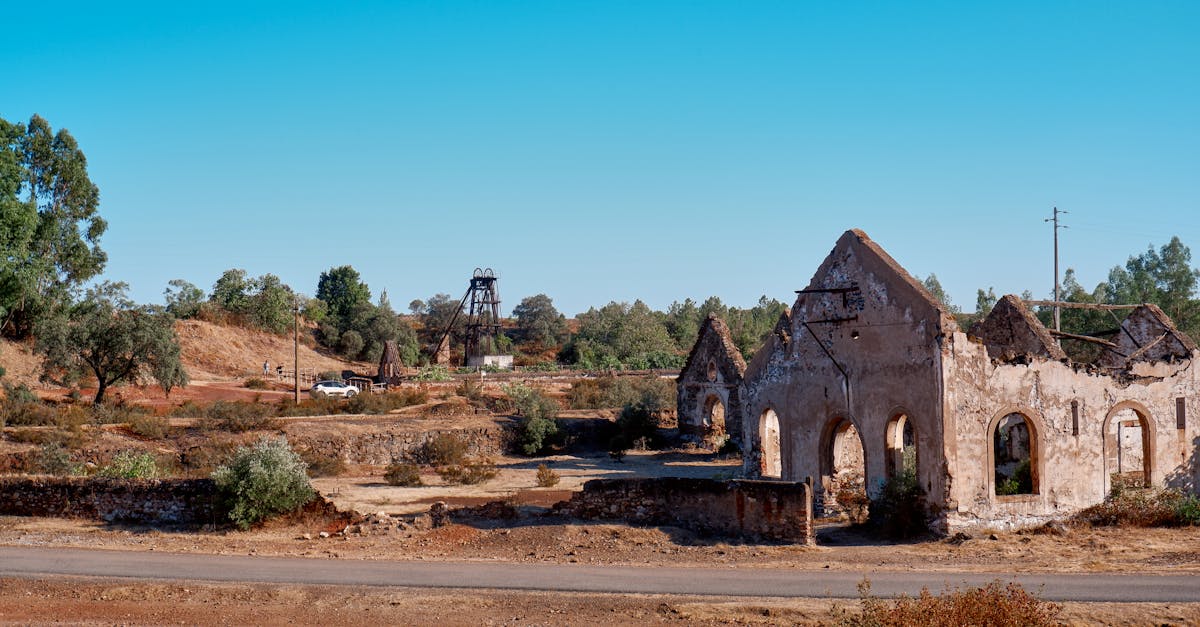 This photo was taken by Nils Rotura on Pexels.
Welcome to the Golden State, where every mile of coastline and mountain range whispers tales of a vibrant past. From the serene bell towers of the Spanish Colonial era to the bustling, dust-choked streets of the Gold Rush, California's history is not just written in books—it is etched into the very landscape you will explore today. In this journey through time, we will uncover the enduring legacy of our 21 historic missions, wander through authentic Gold Rush towns that have stood the test of time, and discover how these pivotal chapters continue to shape the soul of modern California. Pack your sense of adventure, because we are about to step back into the stories that built an empire.
The Spanish Colonial Legacy: Exploring California's 21 Missions
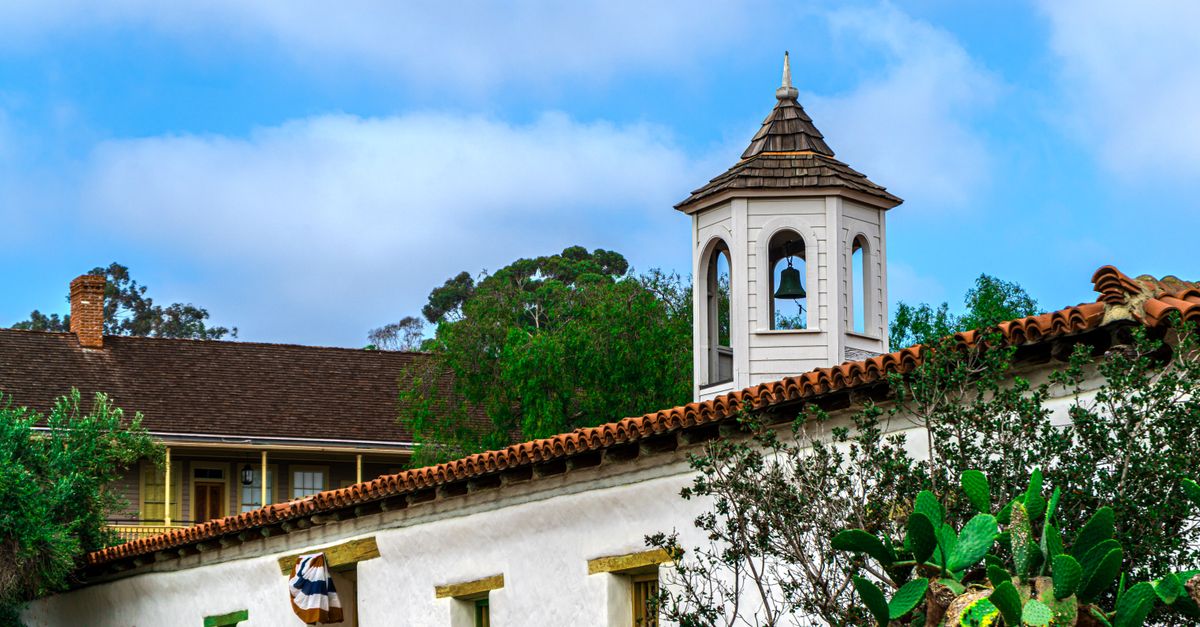
As you traverse the golden coast of California, you will inevitably encounter the silent sentinels of our state's past: the 21 historic Spanish missions established between 1769 and 1823. These architectural gems, ranging from the iconic San Juan Capistrano with its legendary swallows to the grandeur of Mission San Luis Rey, serve as a tangible link to the era when Franciscan friars sought to convert indigenous populations while establishing a chain of outposts stretching over 500 miles. Walking through their weathered adobe walls and strolling beneath the fragrant bougainvillea that drapes over bell towers offers more than just a visual tour; it provides a profound glimpse into a complex history of cultural fusion, resilience, and transformation that shaped the very identity of modern California.
Each mission tells a unique story of survival and adaptation, where intricate frescoes still grace the chapels and ancient olive groves whisper tales of early agricultural endeavors that introduced European crops to the region. Whether you are tracing the footsteps of Father Junípero Serra or exploring the restored workshops that once housed skilled artisans, these sites offer an immersive educational experience that transcends simple sightseeing. By visiting these landmarks, travelers not only appreciate the stunning craftsmanship of the colonial period but also engage in a necessary dialogue about the lives of the Native Americans who built them, ensuring that this rich and sometimes controversial legacy is remembered with both reverence and historical accuracy.
 This photo was taken by Miled Moussa on Pexels.
From Dust to Gold: Walking the Streets of Authentic Gold Rush Towns
Step back into the frenzied 1840s as you wander through the cobblestone streets of Columbia State Historic Park, where the dust of a forgotten era still clings to the redwood facades. Once a chaotic boomtown teeming with prospectors from every corner of the globe, this preserved gem offers an immersive journey into the heart of the California Gold Rush. You can watch blacksmiths forge tools in open-air workshops and hear stories of fortune and failure shared by costumed interpreters who bring the past vividly to life, transforming what was once a dusty mining camp into a vibrant tableau of American history.
As you explore these authentic towns like Sutter's Mill or Hangtown (now Placerville), you will discover that the legacy of the rush is etched not just in the gold nuggets found in riverbeds, but in the enduring architecture and community spirit that survived the decline. Walking through narrow alleyways lined with original saloons, general stores, and gambling halls, visitors gain a profound appreciation for the resilience required to build a life in such a rugged landscape. These historic sites serve as more than mere tourist attractions; they are living classrooms where the grit, ambition, and diversity of the Gold Rush generation come alive, offering a tangible connection to the state's most transformative period.
 This photo was taken by Ravi Sharma on Pexels.
Preserving the Past: How History Lives On in Modern California
California's historic missions, originally established by Spanish Franciscans in the late 18th century, stand as enduring testaments to the state's complex colonial roots, seamlessly blending into the modern landscape of bustling cities and serene suburbs. From the iconic stone arches of Mission San Juan Capistrano to the sprawling grounds of Mission Santa Barbara, these sites have been meticulously preserved not merely as relics, but as vibrant community hubs where history is actively taught through guided tours, restored gardens, and annual festivals that honor indigenous heritage alongside Spanish traditions. Walking through their courtyards today offers a tangible connection to the past, allowing visitors to touch the same adobe walls that sheltered early settlers while learning about the intricate cultural tapestry that formed the foundation of California's identity.
Beyond the mission trail, the spirit of the Gold Rush era pulses through the well-preserved ghost towns and lively mining villages scattered across the Sierra Nevada foothills, bringing the chaotic energy of the mid-19th century to life for contemporary travelers. Places like Bodie State Historic Park and Columbia preserve the wooden storefronts, saloons, and blacksmith shops of a time when prospectors from around the globe flocked to the region, creating a unique melting pot that accelerated California's path to statehood. By donning period costumes, panning for gold in recreated sluices, or simply strolling down cobbled streets lined with original structures, tourists can step back in time to experience the rugged optimism and rapid transformation that defined this pivotal chapter, ensuring that the lessons of the past remain vividly relevant in our modern world.
 This photo was taken by Robert So on Pexels.