California's Historic Route 66: A Journey Through Time and Americana
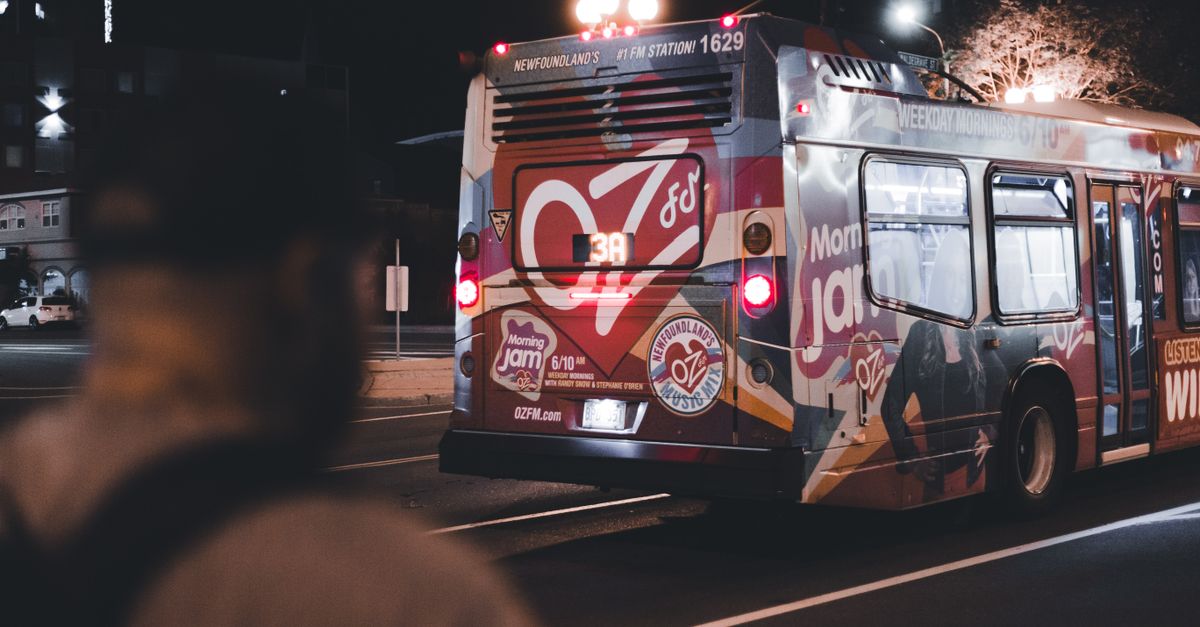 This photo was taken by Erik Mclean on Pexels.
Welcome to the Golden State, where the spirit of adventure is woven into the very asphalt beneath your tires. While many travelers come for our sun-kissed beaches and towering redwoods, there is a legendary path that cuts through our landscape like a ribbon of nostalgia: Route 66. Though its official designation ended decades ago, the magic of this "Mother Road" remains alive in California, offering a unique portal to a bygone era of Americana. In this journey, we will trace the final stretch from the desert heat to the Pacific breeze at Santa Monica Pier, explore the faded glory of preserved motels and their glowing neon signs, and uncover the hidden gems and local legends waiting just off the beaten path. Get ready to roll down the window and step back in time as we discover why California's portion of Route 66 is an essential chapter in any traveler's story.
The Golden Mile: Tracing the Road from Chicago to Santa Monica
While Route 66 famously begins in Chicago, its true allure for the California traveler lies in the final stretch known as "The Golden Mile," where the iconic blacktop transforms into a ribbon of nostalgia leading directly to the Pacific Ocean. As you cross the Mojave Desert and wind through the quaint towns of Barstow, Victorville, and San Bernardino, the landscape shifts from arid expanses to the vibrant energy of Southern California's urban sprawl. This segment is not merely a commute but a living museum; here, you can still spot neon signs flickering above vintage motels, family-owned diners serving classic burgers under checkered floors, and gas stations that have stood guard since the highway's inception in 1926. The journey captures the very essence of American road culture, offering a tangible connection to the mid-20th-century dream of freedom and exploration.
The climax of this historic pilgrimage arrives at the Santa Monica Pier, where the official end of Route 66 is marked by a beloved landmark signpost against the backdrop of crashing waves and endless horizons. Standing there, watching the sunset paint the sky in hues of orange and gold, travelers often feel a profound sense of completion, having traversed thousands of miles of history from the Midwest to the West Coast. This final destination encapsulates the spirit of California itself—a place where the past meets the present in a seamless blend of beachside relaxation and cultural heritage. Whether you are capturing photos with your feet in the sand or simply listening to the ocean breeze, the Golden Mile concludes your adventure with a reminder that some journeys are about more than just the distance covered; they are about the stories we collect along the way.
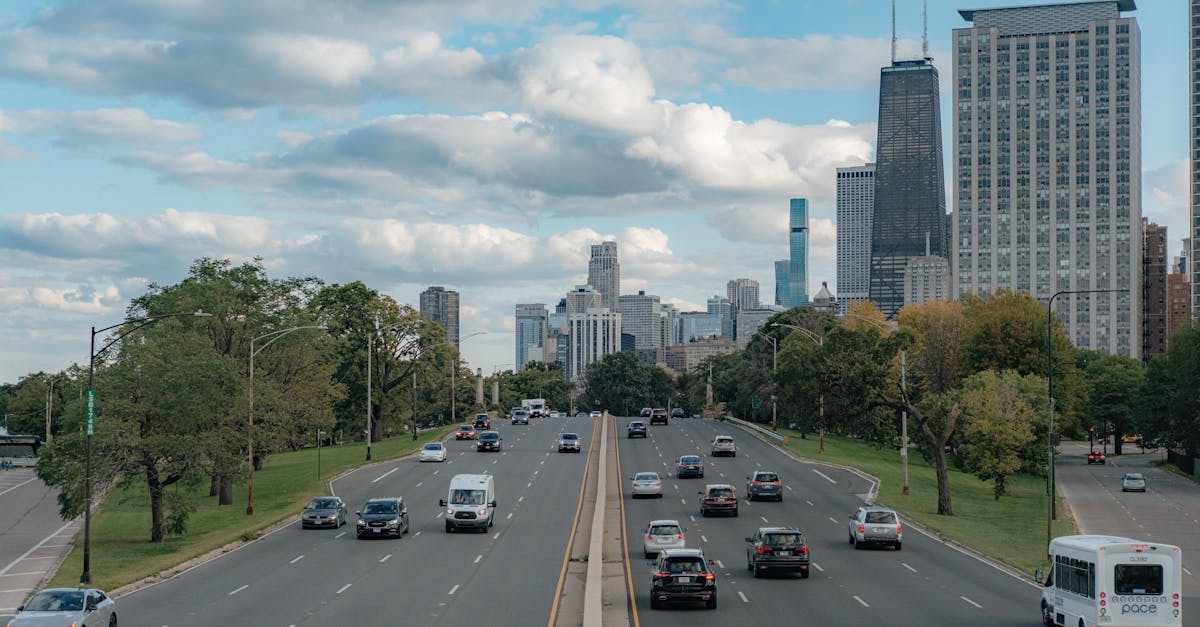 This photo was taken by Alec Adriano on Pexels.
Lost Motels and Neon Dreams: Preserving Mid-Century Americana
As the golden sun sets over the Mojave Desert, the fading glow of vintage neon signs offers a hauntingly beautiful glimpse into California's mid-century past. Along the forgotten stretches of Route 66, motels like the iconic Rainbow Motel in Barstow and the mysterious remnants of the Wigwam Village stand as silent sentinels of an era when road trips were defined by chrome fins, turquoise pools, and the promise of endless adventure. These architectural time capsules, often reclaimed by the desert winds or threatened by urban sprawl, represent more than just old buildings; they are tangible pieces of Americana that capture the spirit of optimism and freedom that once fueled the nation's love affair with the open road.
Preservation efforts across the state are now racing against time to restore these lost motels, ensuring that their unique stories remain part of California's cultural fabric for future generations. From community-led initiatives to repurpose historic structures into boutique hotels and museums, there is a growing movement to celebrate the quirky charm of these roadside relics rather than letting them crumble into dust. By embracing this preservation, travelers can still experience the magic of a bygone age, walking under flickering neon lights and imagining the countless families who once sought shelter here, making their own memories in a land where every turn of the wheel holds a piece of history waiting to be rediscovered.
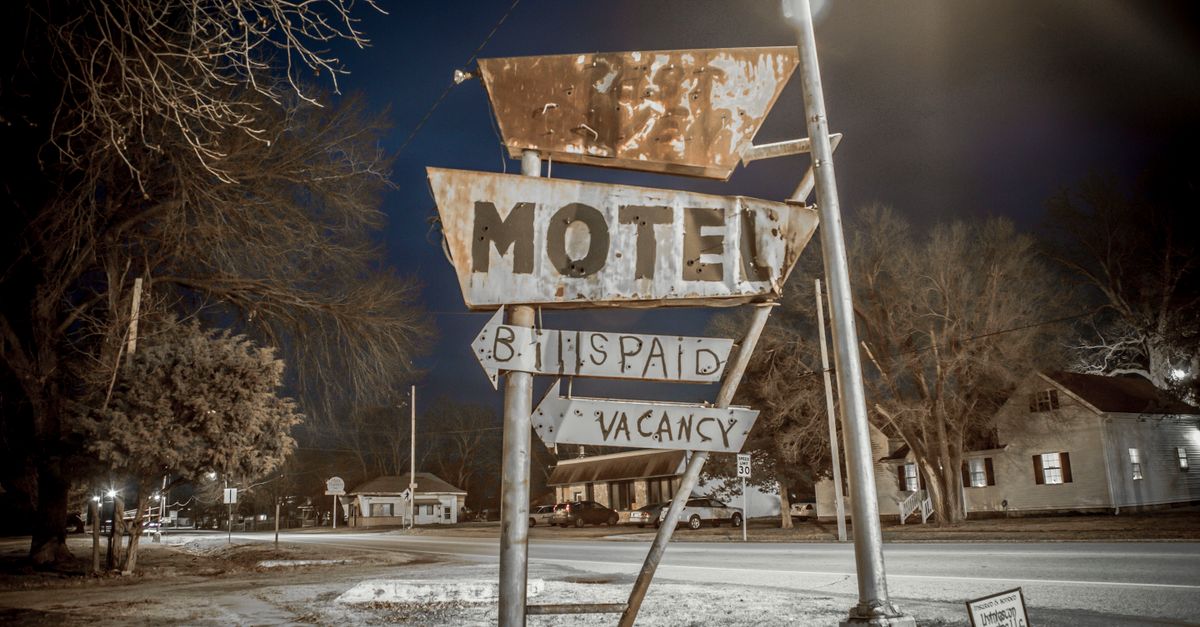 This photo was taken by Stephen Leonardi on Pexels.
Hidden Gems and Local Legends Along the California Stretch
While the bustling tourist traps of Barstow and Selma draw the crowds, the true magic of California's Route 66 lies in its quiet, forgotten corners where time seems to have stood still. Venture off the main drag to discover the neon-drenched ghost town of Victorville's old depot or the whimsical roadside art installations tucked away in the Mojave Desert near Amboy. These hidden gems offer a glimpse into the authentic Americana that defined the Mother Road, from crumbling diners serving pie that tastes like it did in 1950 to abandoned gas stations reclaimed by Joshua trees. Each detour reveals a story of resilience and nostalgia, inviting travelers to step out of their cars and wander through landscapes where the roar of the highway has faded into the whisper of the desert wind.
Beyond the physical landmarks, the spirit of Route 66 is kept alive by the local legends and eccentric characters who call these remote towns home. In the small communities stretching across the Golden State, you will meet descendants of the original road-trippers who share tales of hitchhikers seen at midnight or the mysterious "ghost" trucks that once roamed these dusty stretches before the interstate was built. Local historians in towns like Needles and Kingman often recount stories of bootleggers during Prohibition and the daring racers who tested their machines on these very roads, weaving a tapestry of folklore that enriches every mile traveled. By engaging with these guardians of history, visitors don't just see a route; they experience a living narrative of American ingenuity and the enduring allure of the open road.
 This photo was taken by Walter Coppola on Pexels.