Desert Adventures: Camping Under the Stars in Death Valley
 This photo was taken by Erik Mclean on Pexels.
When you think of California, your mind might immediately drift to sun-soaked beaches or towering redwoods, but the state's most surreal landscapes lie hidden within its vast desert basins. Death Valley National Park offers an otherworldly experience that challenges and captivates in equal measure, where the air shimmers with heat by day and transforms into a canvas of endless brilliance once the sun sets. In this guide to Desert Adventures, we will explore how to safely embrace the extreme climate of this unique environment, discover the perfect campgrounds nestled among the dunes for unparalleled stargazing, and uncover the surprising wildlife wonders and hidden gems that only reveal themselves under the cover of night. Get ready to trade the city lights for one of the darkest skies on Earth and prepare for an unforgettable journey beneath the stars.
Embracing the Extreme: Preparing for Death Valley's Unique Climate
Navigating Death Valley requires a profound respect for its status as the hottest, driest, and lowest place in North America, where summer temperatures frequently soar above 120°F. To truly embrace this extreme environment, preparation is not merely advisable but essential; travelers must prioritize hydration with at least one gallon of water per person per day and avoid any outdoor activity during the peak heat hours between 10 AM and 4 PM. Your vehicle should be equipped with extra coolant, spare tires, and an emergency kit containing first aid supplies and signaling devices, while your clothing choices should focus on loose-fitting, light-colored fabrics that reflect sunlight and allow for maximum airflow to prevent heat exhaustion.
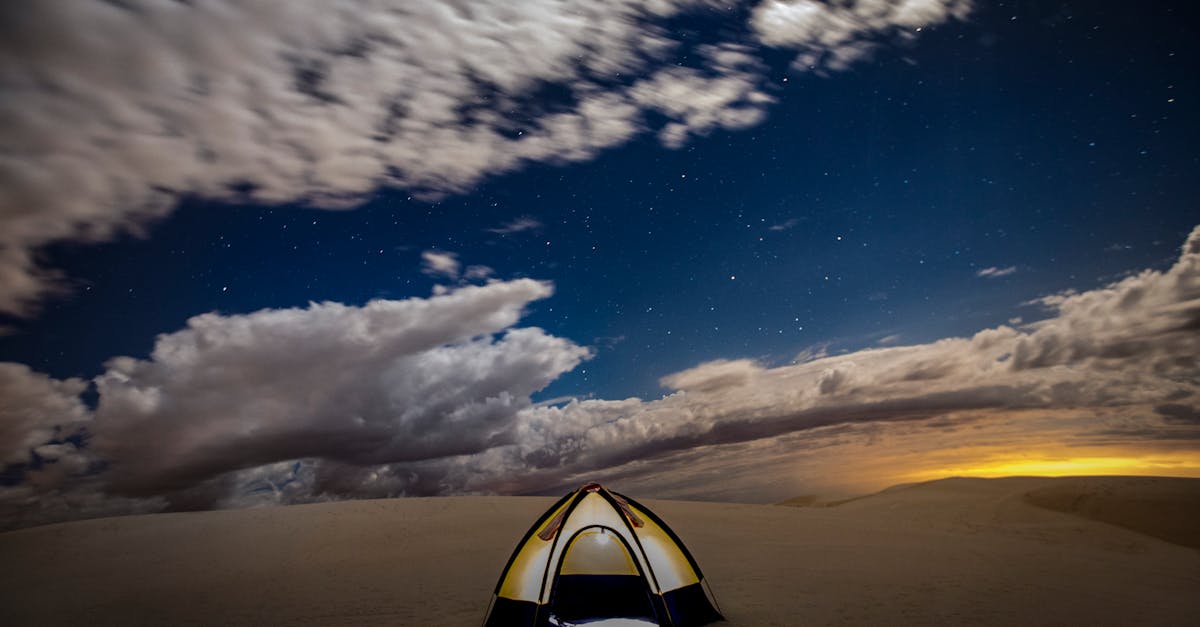
Once the scorching sun dips below the horizon, the desert undergoes a dramatic transformation, offering some of the most pristine stargazing experiences on the planet due to its minimal light pollution and high elevation. As you set up camp under this vast celestial canopy, remember that nighttime temperatures can plummet rapidly, often dropping into the 40s or even lower depending on the season, making warm sleeping bags and layered insulation crucial for comfort. By balancing rigorous daytime precautions with thoughtful evening preparations, you will safely immerse yourself in the raw beauty of this otherworldly landscape, turning a potentially harsh challenge into an unforgettable adventure beneath the Milky Way.
 This photo was taken by Kuntal Biswas on Pexels.
Sleeping Among the Dunes: Best Campgrounds and Star-Gazing Spots
For those seeking the ultimate desert escape, Death Valley offers a surreal camping experience where you can sleep nestled directly among the rolling sand dunes of Mesquite Flat. The Black Rock Campground provides a rugged yet accessible basecamp just minutes from the iconic white dunes, allowing visitors to pitch their tents under a vast canopy that feels infinitely close to the ground. While amenities are minimal, this raw connection to the landscape is precisely what draws adventurers here; waking up to the golden sunrise painting the dunes in shades of amber and rose is a memory that stays with you long after you leave the park. Remember to bring plenty of water and prepare for extreme temperature swings, as the desert air chills rapidly once the sun dips below the horizon.
The true magic of Death Valley, however, unfolds after dusk when the sky transforms into a breathtaking canvas of stars, free from the light pollution that plagues most urban areas. Designated stargazing spots near the campground offer an unobstructed view of the Milky Way, making it one of the premier dark sky locations in California. Whether you are a seasoned astronomer tracking constellations or simply someone looking to lose yourself in the cosmic silence, the clarity of the night sky here is unparalleled. Pack a warm blanket and a red-light flashlight to preserve your night vision, then settle in to witness a celestial display so vivid it feels like you are floating among the very stars you gaze upon.
 This photo was taken by Stephen Leonardi on Pexels.
Wildlife Wonders and Hidden Gems of the Night
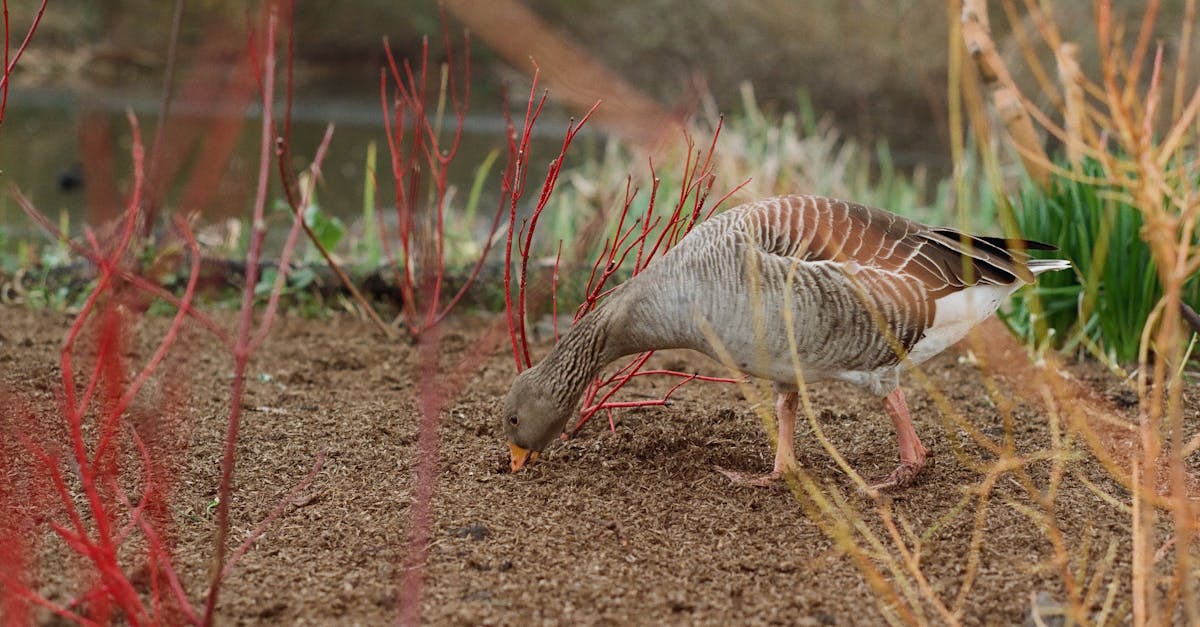
As the sun dips below the rugged horizon of Death Valley, the desert transforms into a sanctuary for nocturnal wildlife that thrives in the cool darkness. Keep your eyes peeled along the trails at dusk, where kangaroo rats scurry with surprising agility and coyotes echo their haunting calls across the vast expanse. The night sky here offers its own hidden gem: an unobstructed canvas of stars so brilliant they seem to touch the ground, making stargazing an unforgettable experience. If you are lucky, you might catch a glimpse of a barn owl gliding silently through the sagebrush or spot the faint glow of bioluminescent fungi on rotting wood, adding a magical touch to your camping adventure under the Milky Way.
Beyond the wildlife, the valley floor reveals secret corners that come alive only after sunset, offering solitude far removed from the daytime crowds. Venture quietly toward Badwater Basin's salt flats once the heat has dissipated, where the silence is profound and the reflective surface creates an illusion of walking on the stars themselves. For a truly unique encounter, explore the Mesquite Flat Sand Dunes by moonlight; the shifting sands create eerie shadows and whispering sounds that have inspired countless legends. These hidden gems remind us that while Death Valley is known for its extremes, it holds a gentle, mysterious beauty at night that invites travelers to slow down, listen closely, and connect deeply with the ancient rhythms of the American Southwest.
 This photo was taken by Owen Lee on Pexels.