Desert Adventures: Exploring Joshua Tree and Death Valley
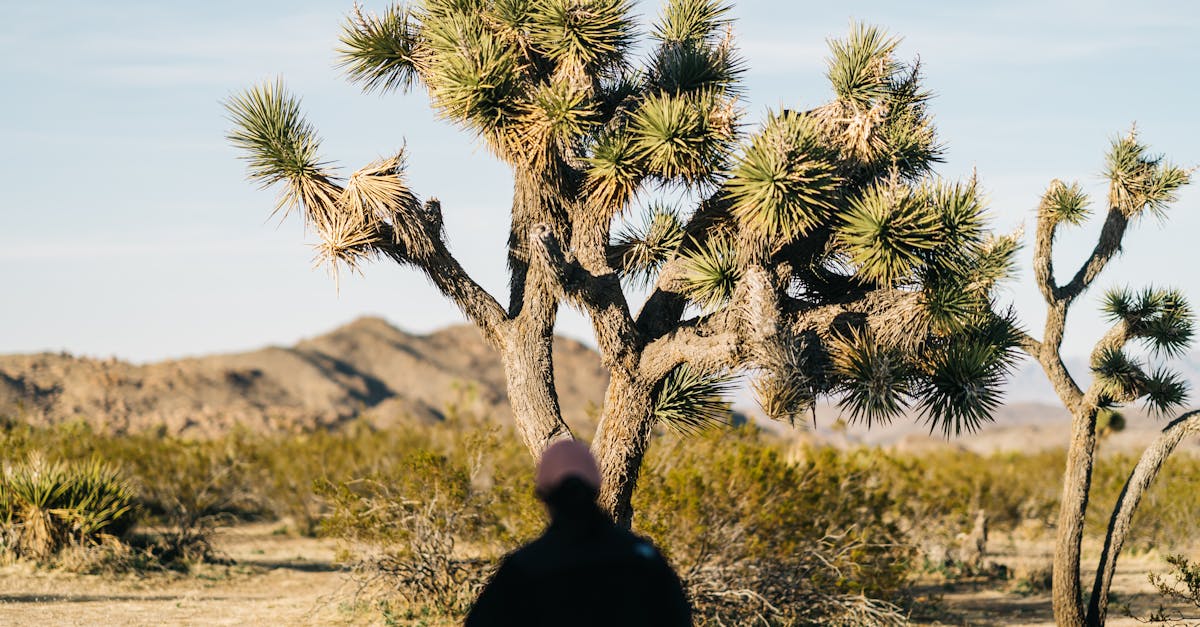 This photo was taken by Ricky Esquivel on Pexels.
Welcome to the heart of California's rugged wilderness, where two of the most iconic deserts in the world await your discovery. From the otherworldly, twisted silhouettes of Joshua Tree National Park to the scorching, surreal expanse of Death Valley, these landscapes offer an adventure unlike any other on Earth. Whether you are a seasoned hiker seeking to navigate ancient rock formations or a curious traveler eager to witness the stark beauty of extreme heat and stunning vistas, this journey promises unforgettable memories. In this post, we will guide you through the unique trails of Joshua Tree, share essential tips for safely braving Death Valley's elements, and help you pinpoint the perfect season to plan your ultimate desert itinerary.
Hiking the Unique Rock Formations of Joshua Tree National Park
Desert Adventures: Exploring Joshua Tree and Death Valley
Hiking through Joshua Tree National Park is a surreal journey into a prehistoric landscape where massive boulders seem to defy gravity, creating a natural labyrinth of granite monoliths. As you traverse trails like Ryan Mountain or the Hidden Valley loop, you'll find yourself navigating through a maze of twisted rock formations that have been sculpted by millions of years of wind and erosion. These unique geological structures not only offer challenging climbs for experienced mountaineers but also provide perfect vantage points to watch the desert sunset paint the sky in hues of orange and purple, casting long, dramatic shadows across the rugged terrain.
Beyond the sheer beauty of the rocks, the park's ecosystem thrives in this harsh environment, with the iconic Joshua trees standing sentinel among the stone giants. Whether you are an avid geology enthusiast fascinated by the park's complex history or a casual walker seeking a quiet moment under the vast desert sky, these formations offer an unforgettable connection to nature. Remember to carry plenty of water, wear sturdy footwear for the uneven surfaces, and respect the delicate desert flora as you explore this otherworldly corner of California, ensuring your adventure remains as safe as it is spectacular.
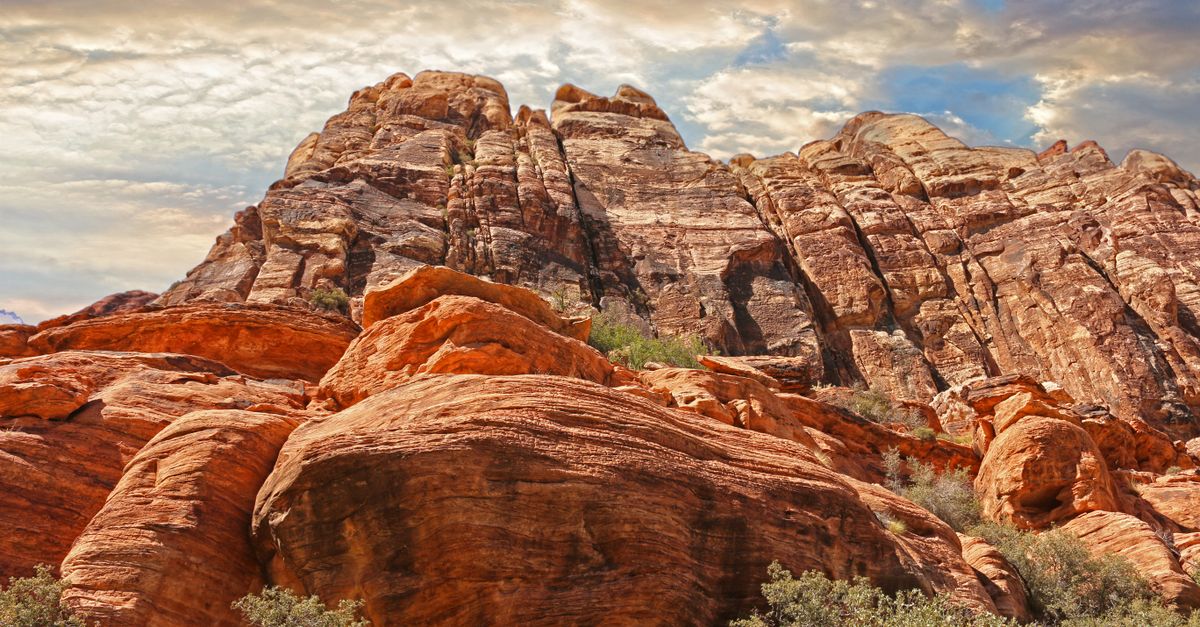 This photo was taken by Pixabay on Pexels.
Braving the Extreme Heat and Stunning Landscapes of Death Valley
Death Valley National Park stands as a testament to the raw power of nature, offering a surreal landscape where scorching temperatures and otherworldly vistas collide. As you traverse the salt flats of Badwater Basin or hike up the rugged slopes of Zabriskie Point, be prepared for some of the hottest conditions on Earth, with summer highs frequently soaring above 120°F (49°C). To truly embrace this extreme environment, plan your visits during the cooler months from October through April, and always prioritize hydration by carrying more water than you think you need. The park's dramatic geology, featuring colorful badlands and towering dunes, provides a striking backdrop that feels almost alien, rewarding those who brave the heat with memories of golden sunsets painting the desert in hues of violet and orange.
While Death Valley demands respect for its unforgiving climate, it also offers an unparalleled sense of isolation and tranquility that is increasingly rare in our modern world. Whether you are stargazing under a canopy of brilliant stars far removed from city light pollution or driving along the scenic Artist Drive to witness the painted hills, the experience is both humbling and exhilarating. Safety is paramount here; stick to designated roads, avoid hiking alone, and heed all warning signs regarding flash floods and extreme heat exposure. By respecting the elements, you unlock access to one of America's most iconic deserts, where the silence is profound and the beauty lies in the stark contrast between the blistering sand and the occasional burst of wildflowers after a rare rainstorm.
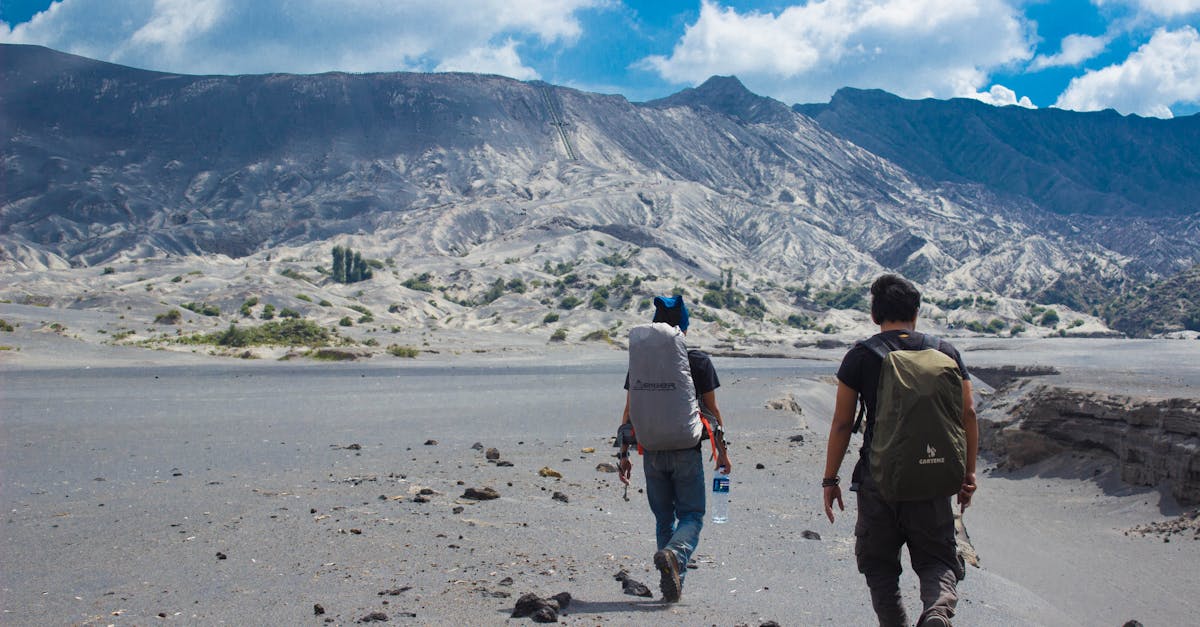 This photo was taken by Egi Azwul Fikri on Pexels.
Best Time to Visit: Planning Your Desert Itinerary
Best Time to Visit: Planning Your Desert Itinerary
The desert landscapes of Joshua Tree and Death Valley offer breathtaking beauty, but timing is absolutely critical for a safe and enjoyable experience. The golden window for visiting these arid regions falls between October and April, when daytime temperatures are mild enough for hiking and exploration. During the peak summer months, particularly in July and August, Death Valley can become dangerously hot with temperatures frequently exceeding 120°F (49°C), making outdoor activities risky without extensive preparation. By planning your trip during the cooler seasons, you avoid the scorching midday sun while still enjoying the crisp, clear nights that allow for spectacular stargazing under the vast desert sky.
When mapping out your itinerary, consider the specific seasonal highlights each park offers within this optimal timeframe. In late spring, Joshua Tree comes alive with wildflower blooms that contrast beautifully against its iconic twisted juniper trees, while early autumn brings comfortable temperatures perfect for climbing the park's famous granite monoliths. Conversely, Death Valley sees its most dramatic weather shifts in winter, where snow occasionally dusts the salt flats, creating an otherworldly landscape that attracts photographers from around the globe. Whether you choose to visit in the crisp air of November or the blooming warmth of March, aligning your travel dates with these seasonal nuances ensures you witness the true magic of California's desert wilderness.
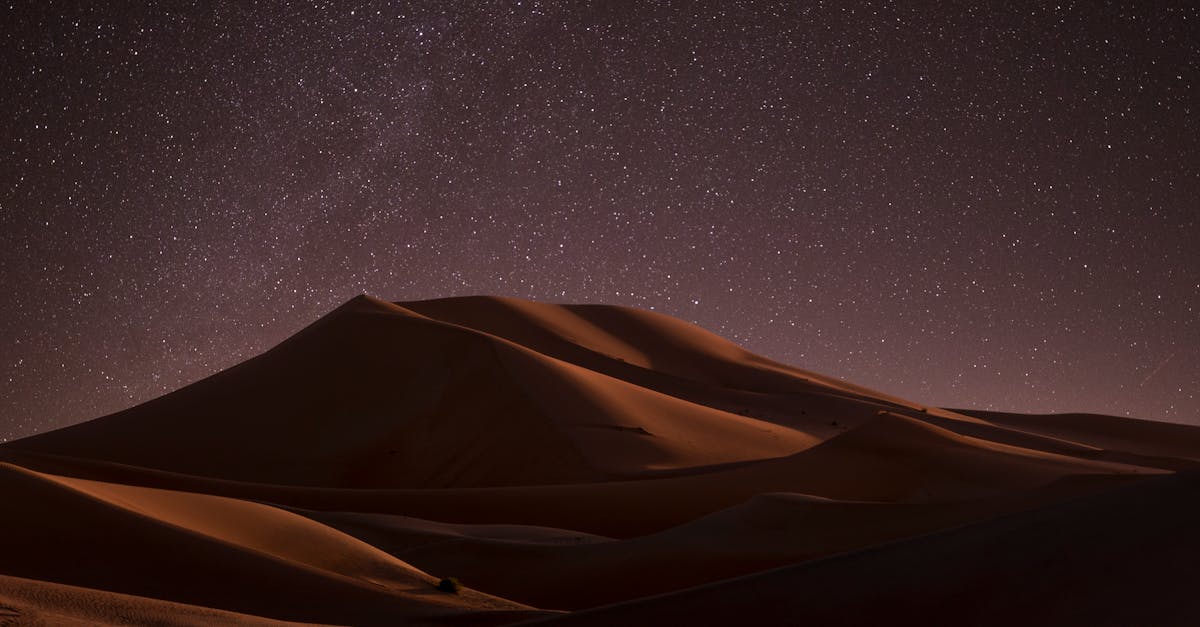 This photo was taken by Walid Ahmad on Pexels.