Desert Dreams: A Guide to Joshua Tree and Death Valley National Parks
 This photo was taken by Erik Mclean on Pexels.
Welcome to the heart of California's arid wilderness, where the earth seems to have been sculpted by ancient forces and alien imagination. In our latest journey, "Desert Dreams," we invite you to step beyond the coastlines and into two of the state's most iconic yet contrasting landscapes: Joshua Tree and Death Valley National Parks. From the twisted, otherworldly silhouettes of Joshua Trees that guard the high desert to the scorching, surreal expanse of Badwater Basin, these parks offer an adventure unlike any other. Whether you are preparing to hike through rugged canyons, learning the essential strategies for surviving extreme heat, or seeking out the clearest night skies in the lower 48 states, this guide is your essential companion for exploring the raw beauty and hidden wonders of California's desert soul.
Hiking Through the Alien Landscapes of Joshua Tree
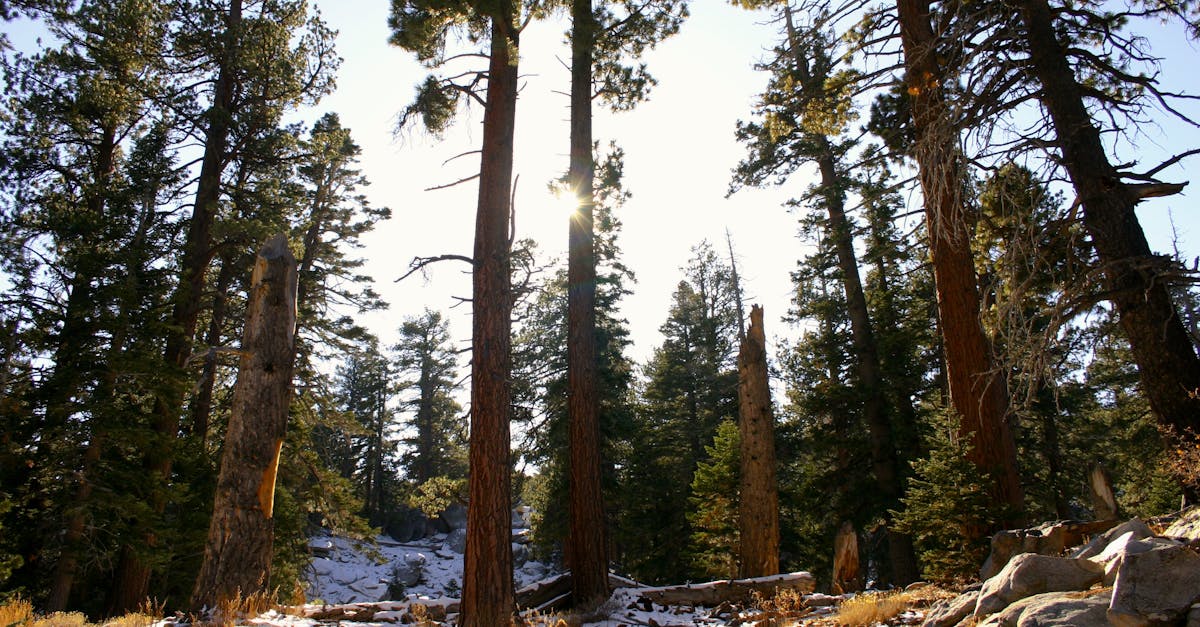
Stepping into Joshua Tree National Park feels less like entering a national monument and more like landing on an extraterrestrial world, where twisted yucca trees stand as silent sentinels against a backdrop of massive, sun-baked monoliths. These unique rock formations, sculpted over millennia by wind and water, offer a labyrinthine playground for hikers that ranges from the easy, scenic loops near Hidden Valley to the challenging scrambles up the rugged Cholla Cactus Garden trails. As you navigate this surreal terrain, keep your eyes peeled for the vibrant desert wildflowers that burst into life after rare spring rains, transforming the arid floor into a kaleidoscope of purple, yellow, and white amidst the stark orange and grey hues of the boulders.
The magic of hiking here truly comes alive during the golden hours, when the low-angle sunlight casts long, dramatic shadows across the landscape, highlighting every crevice and texture of the alien geology. Whether you are tracing the historic remnants of old mining roads or seeking out a secluded spot to watch the stars emerge in their full brilliance well before dawn, the silence of the Mojave Desert offers a profound sense of isolation and connection to nature. Remember to pack ample water and wear sturdy boots, as the heat can be deceptive even in cooler months, but the reward is an unforgettable journey through one of California's most otherworldly and visually striking environments.
 This photo was taken by James Lee on Pexels.
Surviving and Thriving in Death Valley's Extreme Heat
Navigating Death Valley requires a strategic approach to safety, as temperatures can soar well beyond 120°F (49°C) during the summer months. To survive and thrive in this arid landscape, visitors must prioritize hydration by carrying at least one gallon of water per person per day, alongside electrolyte replacements to combat rapid dehydration. It is crucial to plan all outdoor activities for the cooler hours of early morning or late evening, avoiding the peak heat between 10 a.m. and 4 p.m., while ensuring your vehicle is equipped with a full tank of gas and functioning air conditioning before venturing into remote areas where cell service is nonexistent.
Beyond mere survival, thriving in Death Valley means embracing its unique beauty through mindful exploration that respects the environment's fragility. Hiking should be reserved for shaded trails or short excursions to iconic spots like Badwater Basin or Zabriskie Point, always wearing light-colored, loose-fitting clothing and high-SPF sunscreen to prevent sunburn. By checking weather forecasts rigorously and heeding park rangers' warnings about flash floods or extreme heat advisories, travelers can transform a potentially dangerous journey into an unforgettable adventure, capturing the stark, surreal landscapes that make this national park a true wonder of the natural world.
 This photo was taken by AMORIE SAM on Pexels.
Stargazing Under California's Darkest Skies
When the sun dips below the horizon in the high desert, California transforms into a celestial playground where the Milky Way stretches across the sky like a river of diamond dust. Joshua Tree National Park and Death Valley are renowned for their International Dark Sky status, offering some of the clearest views on the planet free from the glare of urban light pollution. In these vast, silent landscapes, the absence of city lights allows you to witness thousands of stars with the naked eye, while telescopes reveal distant galaxies and nebulae that seem close enough to touch. Whether you are camping near the iconic rock formations of Joshua Tree or exploring the salt flats of Death Valley, the night sky becomes the main attraction, inviting you to pause and marvel at the infinite expanse above.To truly immerse yourself in this cosmic spectacle, plan your visit during a new moon when the darkness is most profound, and bring warm layers as temperatures can plummet quickly after sunset. Many visitors find it magical to sit by a crackling campfire, listening to the silence of the desert while tracking the movement of constellations or catching a glimpse of shooting stars streaking through the void. Local ranger programs often offer guided stargazing sessions that provide expert insights into the history of astronomy and the unique geology of these parks, enhancing your experience with stories that connect the earth below to the universe above. For any traveler seeking a moment of profound awe and connection to nature, gazing up at these pristine, star-filled skies remains an unforgettable highlight of a California desert adventure.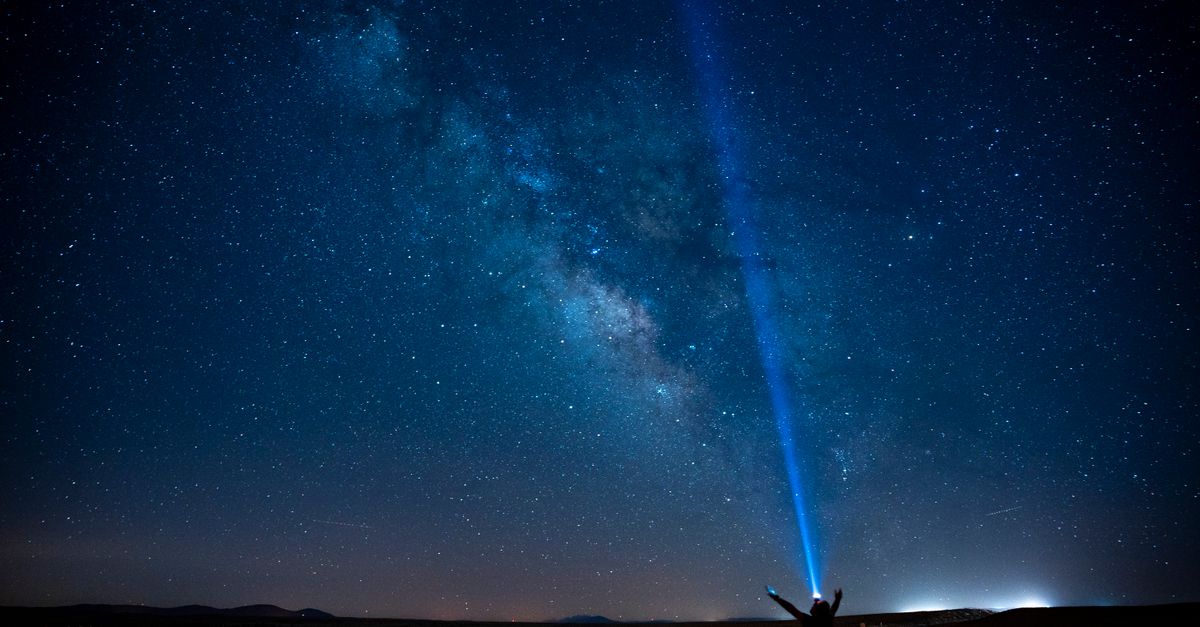 This photo was taken by Emre Mavi on Pexels.