Desert Dreams: Camping and Stargazing in Joshua Tree and Death Valley
 This photo was taken by Erik Mclean on Pexels.
When the scorching California sun dips below the horizon, the state's most iconic deserts transform into a realm of ethereal beauty and profound silence. From the surreal, twisted silhouettes of Joshua Tree to the vast, echoing expanses of Death Valley, these landscapes offer an unparalleled opportunity to disconnect from the modern world and reconnect with the cosmos. Whether you are drawn to the rugged charm of camping under a canopy of stars or seeking the thrill of navigating the moonlit dunes, this guide will equip you with everything you need for an unforgettable journey. Join us as we explore the secrets of safe desert camping, reveal the best spots to witness the Milky Way above ancient monoliths, and share essential tips to help you thrive in the heat while embracing the magic of the night.
Navigating the Moonlit Landscape: A Guide to Safe Desert Camping
Navigating the Moonlit Landscape: A Guide to Safe Desert Camping
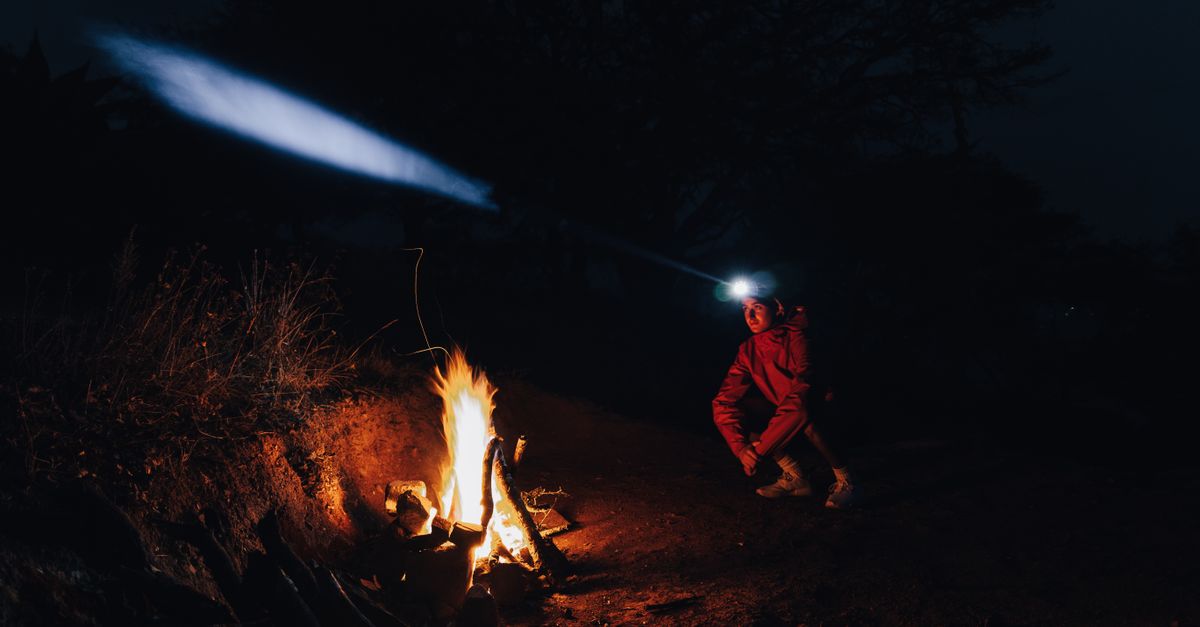
As twilight descends upon the rugged terrain of Joshua Tree or the vast expanse of Death Valley, the desert transforms into a silent, otherworldly realm that demands respect and preparation. Navigating this moonlit landscape requires more than just setting up a tent; it necessitates a keen awareness of your surroundings, as temperatures can plummet rapidly once the sun dips below the horizon. Always establish your campsite well before dusk in a location with clear visibility, avoiding washes that could flood unexpectedly or loose rock areas prone to shifting. Carry a reliable headlamp with extra batteries to navigate without startling nocturnal creatures like coyotes or rattlesnakes, and ensure your vehicle is parked on solid ground away from potential flash flood paths.
Safety while stargazing in these iconic California deserts also hinges on proper hydration and thermal regulation, even when the air feels cool under the stars. Keep a generous supply of water within arm's reach at all times, as the dry air can dehydrate you faster than you realize, and dress in layers to combat the stark temperature drop between day and night. When exploring the trails after dark, stay strictly on marked paths to avoid disturbing fragile cryptobiotic soil crusts that take decades to recover, and always inform someone of your itinerary before heading out into the isolation. By respecting the delicate balance of this arid ecosystem and prioritizing preparedness, you can fully immerse yourself in the celestial spectacle above while ensuring a secure and memorable experience.
 This photo was taken by Eclipse Chasers on Pexels.
The Milky Way Above the Monoliths: Best Stargazing Spots
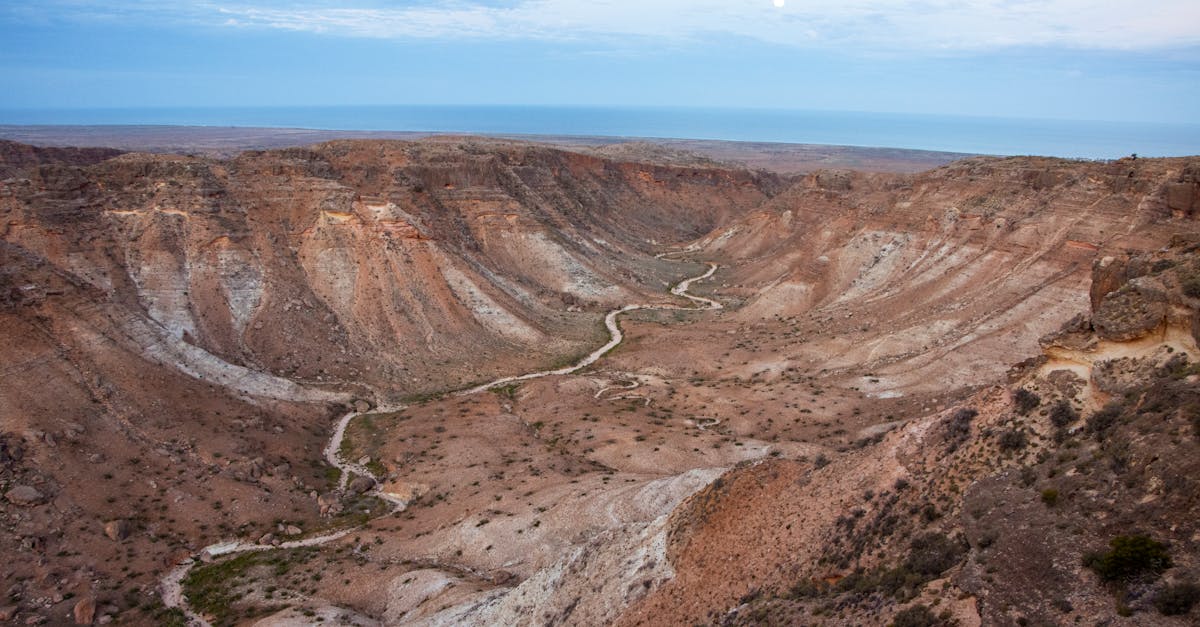
When the sun dips below the jagged horizon of Joshua Tree National Park, the sky transforms into a breathtaking canvas where the Milky Way seems to spill directly onto the landscape's iconic monoliths. Under the strict light-pollution protections of this dark sky sanctuary, the galaxy appears with an intensity rarely seen in urban environments, its core glowing brightly above the twisted silhouettes of ancient boulders and creosote bushes. Camping here offers a unique duality; by day, you navigate the surreal rock formations that have inspired countless artists, but by night, you become part of a cosmic gallery where the stars are so vivid they seem within arm's reach, creating an ethereal connection between the earth's geological history and the vastness of the universe.
Venturing further east to Death Valley National Park amplifies this celestial spectacle even more, as it holds the title of one of the darkest places on Earth. With its immense scale and lack of atmospheric interference, the valley floor becomes the perfect stage for viewing the galactic center, often visible just after twilight when other locations still hold onto residual daylight. The contrast is stark and magical: the cool, dark expanse of the desert floor stretches out beneath a dome of glittering stars, while distant mountain ranges frame the view like natural amphitheaters. Whether you are stargazing from the comfort of your RV or sitting on a sleeping pad under the open sky, the sheer clarity of Death Valley ensures that every moment spent looking up feels like a private audience with the cosmos itself.
This photo was taken by Erik Mclean on Pexels.
Surviving the Heat, Embracing the Night: Essential Tips for Your Adventure
When exploring the vast landscapes of Joshua Tree and Death Valley, respecting the desert's intense midday heat is your first line of defense for a safe adventure. Between late morning and early afternoon, temperatures can soar to dangerous levels, so plan your hiking and exploration strictly during the cooler dawn hours or wait until the sun begins its descent. Carry at least one gallon of water per person per day, wear lightweight, loose-fitting clothing in light colors, and never rely on electronic devices alone for navigation or emergency calls, as signal strength can be spotty in these remote regions. By pacing yourself and seeking shade whenever possible, you preserve your energy for the magical transition that awaits as the mercury drops.
As the sun dips below the horizon, the desert transforms into a sanctuary of cool breezes and breathtaking celestial displays, making nightfall the true highlight of your camping experience. The air cools rapidly, often requiring a warm jacket even in summer months, but this temperature shift reveals the region's most spectacular feature: an unobstructed view of the Milky Way and countless stars that seem close enough to touch. Take time to sit back away from artificial lights, let your eyes adjust to the darkness, and listen to the unique symphony of crickets and rustling yucca plants that only comes alive after sunset. This serene nocturnal atmosphere offers a profound sense of connection to nature, turning a simple camping trip into a memorable journey through the silent, starlit dreams of California's high desert.
 This photo was taken by Alessandro Avilés on Pexels.