Desert Dreams: Exploring Joshua Tree and Death Valley
 This photo was taken by Ricky Esquivel on Pexels.
Welcome to the heart of California's arid wonders, where ancient rocks meet endless skies in a landscape that feels both otherworldly and timeless. In "Desert Dreams: Exploring Joshua Tree and Death Valley," we invite you to trade the Pacific breeze for the rugged silence of the high desert. From the twisted, surreal silhouettes of Joshua trees that dot the park like sentinels from another planet, to the blistering, breathtaking extremes of Death Valley—the hottest place on Earth—this journey promises an adventure for the bold and the curious. Whether you are tracing the geologic history etched into canyon walls or simply seeking the profound peace of stargazing under a blanket of stars unpolluted by city lights, prepare to discover why these two iconic destinations remain the ultimate escape for dreamers and explorers alike.
The Alien Landscape of Joshua Tree National Park
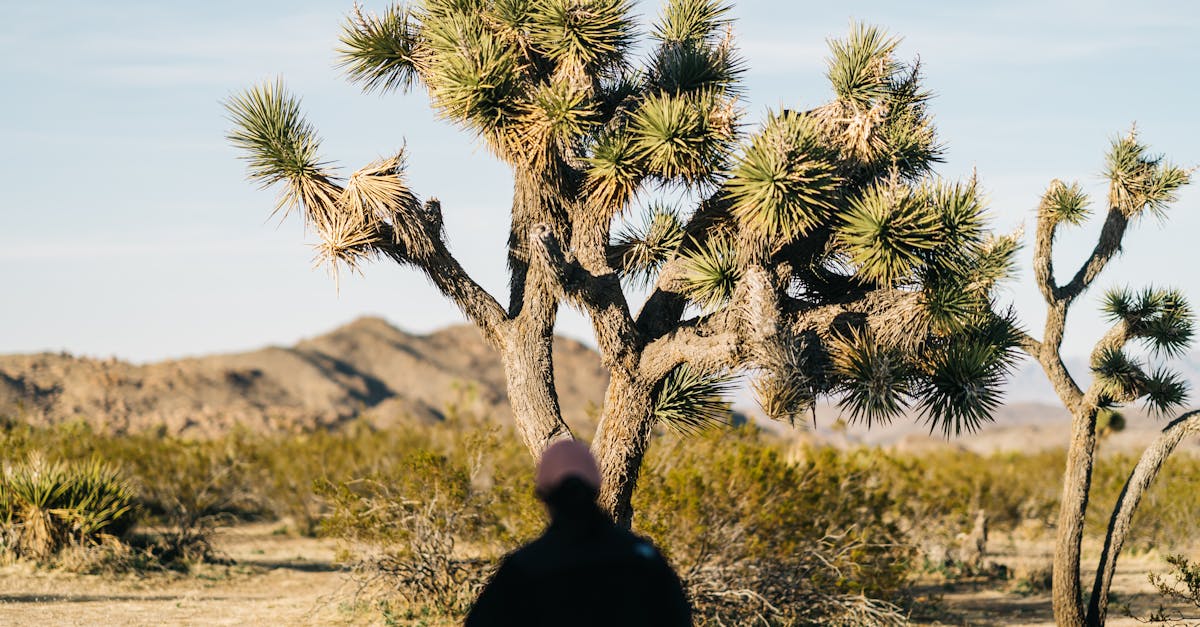
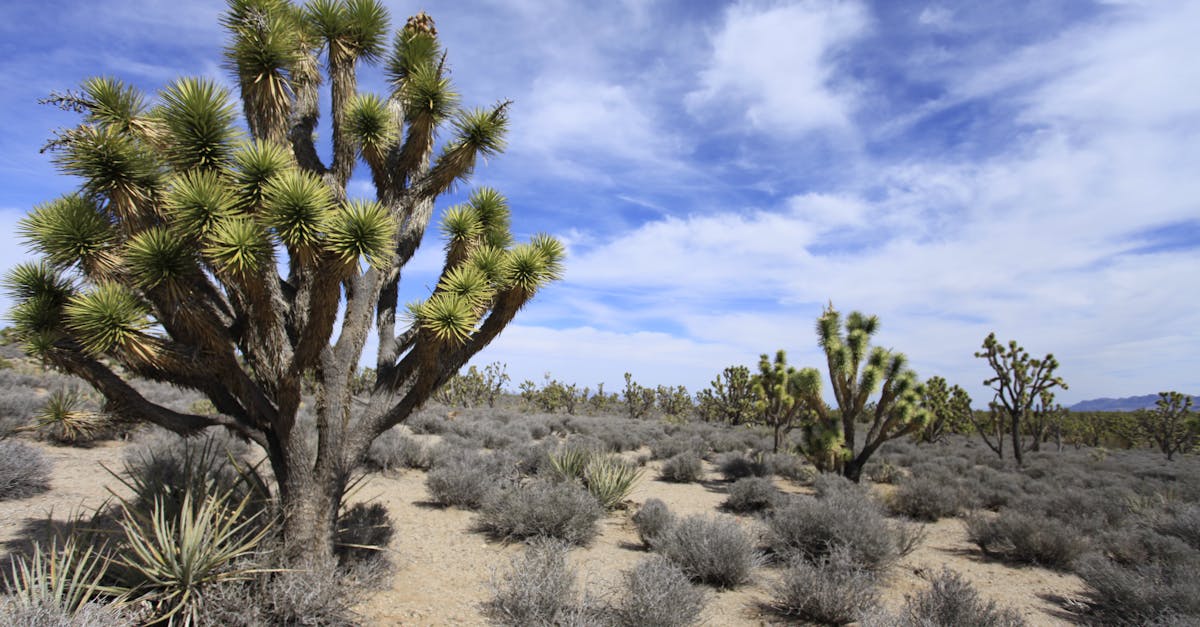
Stepping into Joshua Tree National Park feels less like entering a conventional national park and more like landing on an otherworldly alien planet, where the laws of nature seem to have been rewritten by an avant-garde artist. The landscape is dominated by the park's namesake trees, twisted and gnarled Joshua trees that stand as silent sentinels against a backdrop of massive, sun-baked rock formations. These unique yuccas, which only thrive at the intersection of the Mojave and Colorado deserts, create a surreal forest silhouette that shifts dramatically with the light, turning from stark black shadows at dawn to glowing orange silhouettes during the golden hour. Visitors often find themselves wandering through a labyrinth of boulders and monzogranite domes, feeling as though they are exploring a set for a sci-fi film where every corner reveals a new geological wonder waiting to be discovered.
Beyond the visual spectacle, the silence here is profound and almost heavy, broken only by the rustle of wind through dry scrub and the occasional call of a desert fox or coyote echoing across the valley floor. This stark beauty offers a rare opportunity for solitude and introspection, inviting travelers to disconnect from the noise of modern life and reconnect with the raw, untamed essence of the California desert. Whether you are scaling the challenging rock faces that draw climbers from around the globe or simply sitting atop a ridge watching the stars emerge in a dazzling display unobstructed by city lights, the alien terrain of Joshua Tree leaves an indelible mark on your soul. It is a place where time seems to slow down, allowing you to fully immerse yourself in the ancient rhythms of the earth and appreciate the rugged resilience of life in one of America's most dramatic landscapes.
 This photo was taken by Michael Wright on Pexels.
Braving the Heat: A Journey Through Death Valley's Extremes
Stepping into Death Valley National Park is like entering another planet, where the air shimmers with an intensity that tests both your resolve and your preparation. As a local guide, I always advise visitors to embrace the early morning hours, when the sun is still gentle enough to reveal the park's surreal landscapes, from the salt-encrusted Badwater Basin to the towering Zabriskie Point. The heat here is not merely a weather condition but a defining character of the journey, demanding respect and careful planning; however, for those who brave it, the reward is a profound sense of isolation and awe that few other places on Earth can offer.
Beyond the blistering temperatures, Death Valley offers a stark beauty that contrasts sharply with the rugged charm of Joshua Tree just a short drive away. While the days may be scorching, the nights transform the desert floor into a canvas of starlight so brilliant it feels within reach, accompanied by a cool breeze that whispers through the ancient rocks. Whether you are hiking the hidden trails of Stovepipe Wells or watching the sunset paint the sand dunes in hues of gold and violet, this extreme environment invites you to slow down and witness the raw, untamed power of nature in its most dramatic form.
 This photo was taken by Jean-Paul Wettstein on Pexels.
Stargazing Under the Milky Way in the Desert Silence
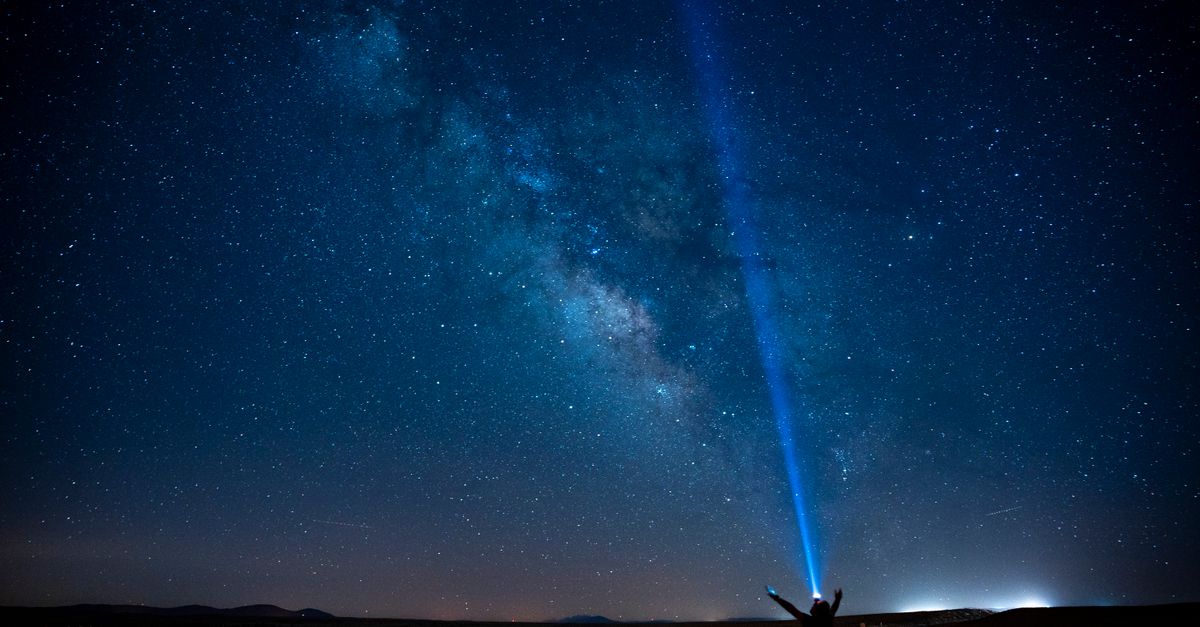
When the sun dips below the jagged horizon of Joshua Tree National Park, the desert transforms into a celestial cathedral where the silence is so profound you can almost hear the stars whispering. Here, far removed from the light pollution of Southern California's sprawling cities, the Milky Way stretches across the sky like a river of crushed diamonds, offering a spectacle that has inspired poets and astronomers alike for centuries. As you sit among the twisted ocotillo and ancient boulders, the vast darkness creates an intimate connection with the universe, allowing you to witness constellations in their full glory while the cool desert air settles over the landscape.
Journey further north into Death Valley, where the world's lowest elevation meets some of the darkest skies on the planet, creating an even more immersive stargazing experience. In this remote basin, the night sky seems to press down upon you, making the stars appear larger and brighter than anywhere else in the continental United States. Whether you are camping under the open expanse or simply stepping out of your vehicle, the sheer magnitude of the galaxy above serves as a humbling reminder of our place in the cosmos, turning a simple evening into a transcendent journey through time and space.
 This photo was taken by Emre Mavi on Pexels.