Desert Dreams: What to See and Do in Joshua Tree and Death Valley
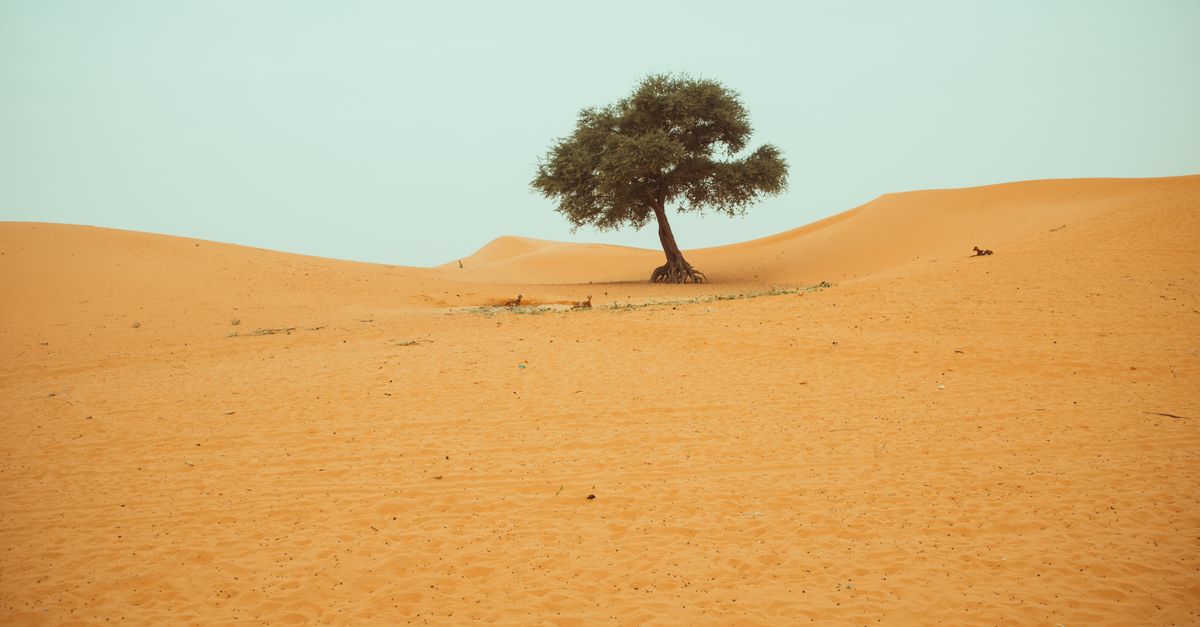 This photo was taken by alameen .ng on Pexels.
Welcome to the heart of California's rugged beauty, where two of the state's most iconic national parks offer a journey unlike any other. From the twisted, surreal silhouettes of Joshua Tree National Park to the vast, scorching expanses of Death Valley, these deserts are not just landscapes; they are living testaments to nature's resilience and artistry. Whether you are an avid hiker seeking trails that wind through alien-like rock formations, a stargazer eager to witness some of the darkest skies on Earth, or a history buff drawn to forgotten ghost towns and hidden desert oases, this guide is your passport to adventure. Get ready to trade city lights for starlight and paved roads for dusty paths as we explore the desert dreams waiting for you in Southern California.
Hiking Through Joshua Tree's Alien Landscapes
Hiking Through Joshua Tree's Alien Landscapes
Stepping onto the trails of Joshua Tree National Park feels less like a typical hike and more like an expedition to another planet, where twisted, spiky Joshua trees stand sentinel over a sea of surreal rock formations. As you wind your way through Hidden Valley or explore the rugged paths of Ryan Mountain, the landscape shifts dramatically from pale granite boulders to jagged volcanic outcrops, creating a stark yet mesmerizing contrast against the endless blue sky. The silence here is profound, broken only by the rustle of dry sagebrush and the distant call of a desert bird, inviting visitors to slow their pace and truly absorb the otherworldly beauty that has inspired artists and explorers for generations.
While the heat can be intense during the day, the park transforms into a magical realm at twilight when the temperature drops and the rocks seem to glow with an ethereal light. Hikers are encouraged to venture out early in the morning or later in the afternoon to witness the interplay of shadows and sunlight that accentuates the unique textures of the terrain, making every step feel like part of an ancient ritual. Whether you are seeking a challenging scramble up Cholla Cactus Garden or a leisurely stroll along the Barker Dam trail, this alien environment offers a raw, unfiltered connection to nature that reminds us why California's deserts remain one of the most captivating destinations on Earth.
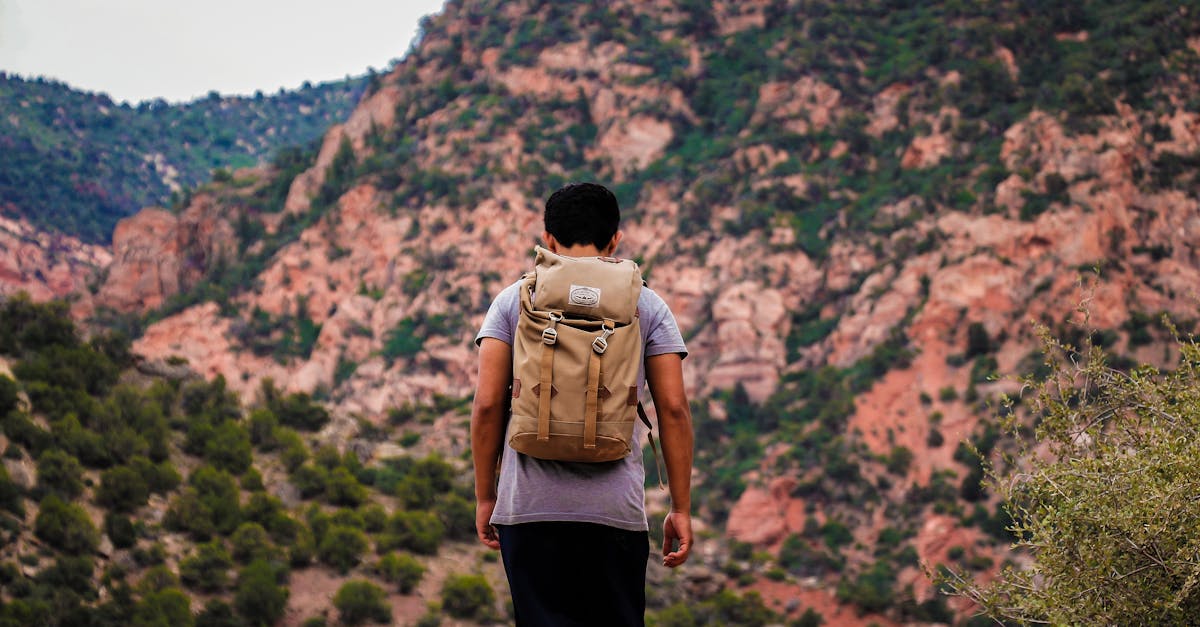 This photo was taken by Germain Rodriguez on Pexels.
Chasing Sunsets and Stars in Death Valley
As the sun begins its final descent over the vast expanse of Death Valley, the landscape transforms into a surreal canvas where time seems to stand still. Perched atop Badwater Basin or watching from the dunes of Mesquite Flat, you witness a spectacle that defies description; the sky shifts through a kaleidoscope of burnt oranges, deep purples, and fiery reds before vanishing behind the rugged silhouettes of the Panamint Mountains. This is not merely a sunset but a daily performance of light and shadow that highlights the valley's stark beauty, inviting you to pause and reflect on the sheer scale of this American desert wonderland.Once twilight yields to an inky blackness, Death Valley reveals its second great allure: an unparalleled stargazing experience that rivals any dark sky sanctuary on Earth. With minimal light pollution and some of the clearest atmospheres in North America, the Milky Way stretches across the heavens like a river of diamonds, offering a celestial display so vivid it feels within reach. Whether you are camping under the open sky at Stovepipe Wells or finding a quiet spot along the scenic drive, the silence of the night amplifies the magic of the cosmos, making the journey here a true pilgrimage for dreamers seeking connection with the universe.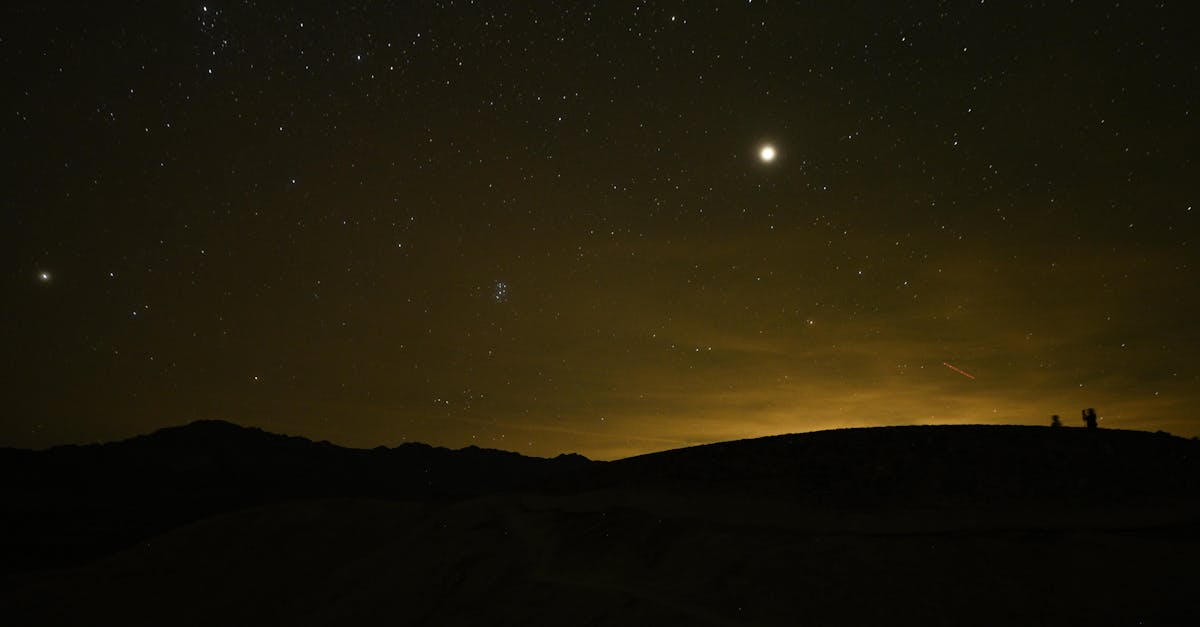 This photo was taken by Krishna Mantripragada on Pexels.
Hidden Oases and Historic Ghost Towns
Beyond the iconic twisted limbs of Joshua trees and the salt-encrusted flats, the desert conceals tranquil oases that offer a rare reprieve from the arid heat. Hidden within the rugged canyons of Joshua Tree National Park, spots like Hidden Valley and Cottonwood Spring provide lush pockets of greenery where water flows year-round, inviting hikers to rest beneath ancient boulders and listen to the rustle of willows in the breeze. Venturing further into the vastness of Death Valley, travelers can discover springs such as Stovepipe Wells or the elusive Furnace Creek, where palm trees sway against the backdrop of towering sand dunes, creating surreal landscapes that feel more like an Arabian fantasy than the driest place on Earth. These secluded sanctuaries serve as perfect vantage points for stargazing, offering some of the clearest night skies in North America away from the glare of city lights.
For those drawn to the echoes of California's mining past, the region is dotted with historic ghost towns that tell stories of boom-and-bust cycles and human resilience. In Death Valley, the eerie silence of Rhyolite and the skeletal remains of Panamint Springs stand as haunting monuments to the gold and borax rushes of the early 20th century, where crumbling adobe walls and scattered debris hint at lives once lived in this unforgiving terrain. Similarly, the outskirts of Joshua Tree are home to remnants of old ranches and mining camps like Ocotillo Wells, which have been preserved to showcase the rugged lifestyle of the desert pioneers who braved extreme temperatures to carve out a living. Walking through these abandoned settlements offers a profound sense of connection to history, allowing visitors to imagine the bustling activity that once filled these now-silent streets while surrounded by the timeless beauty of the Mojave Desert.
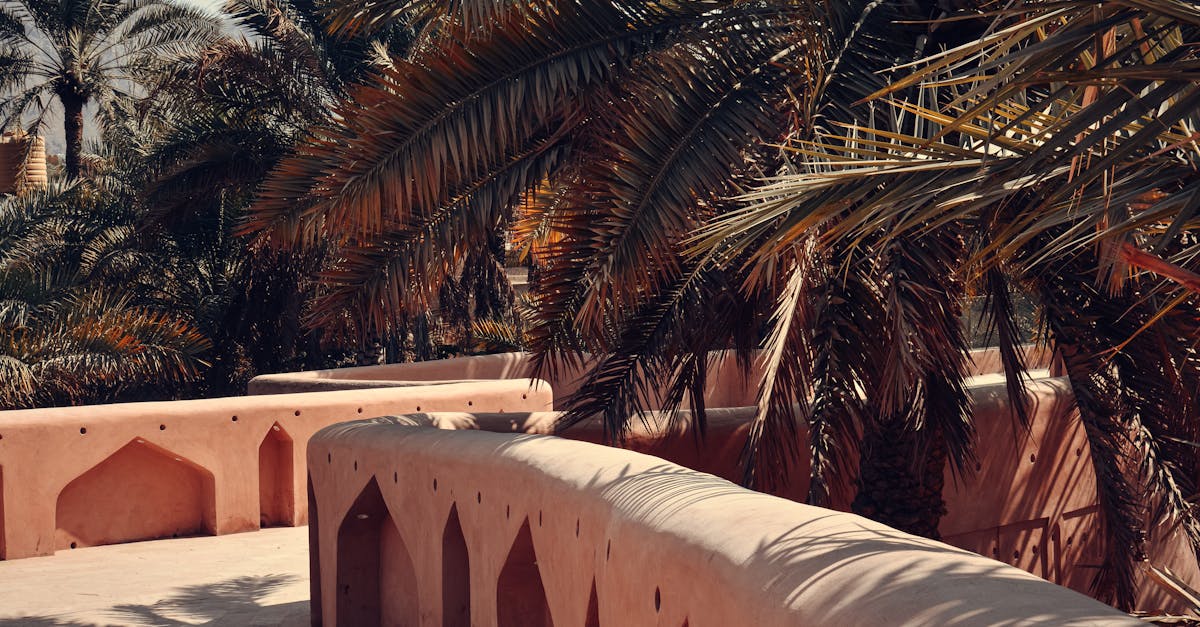 This photo was taken by Reyyan on Pexels.