Desert Oasis Adventures: Joshua Tree and Death Valley Unveiled
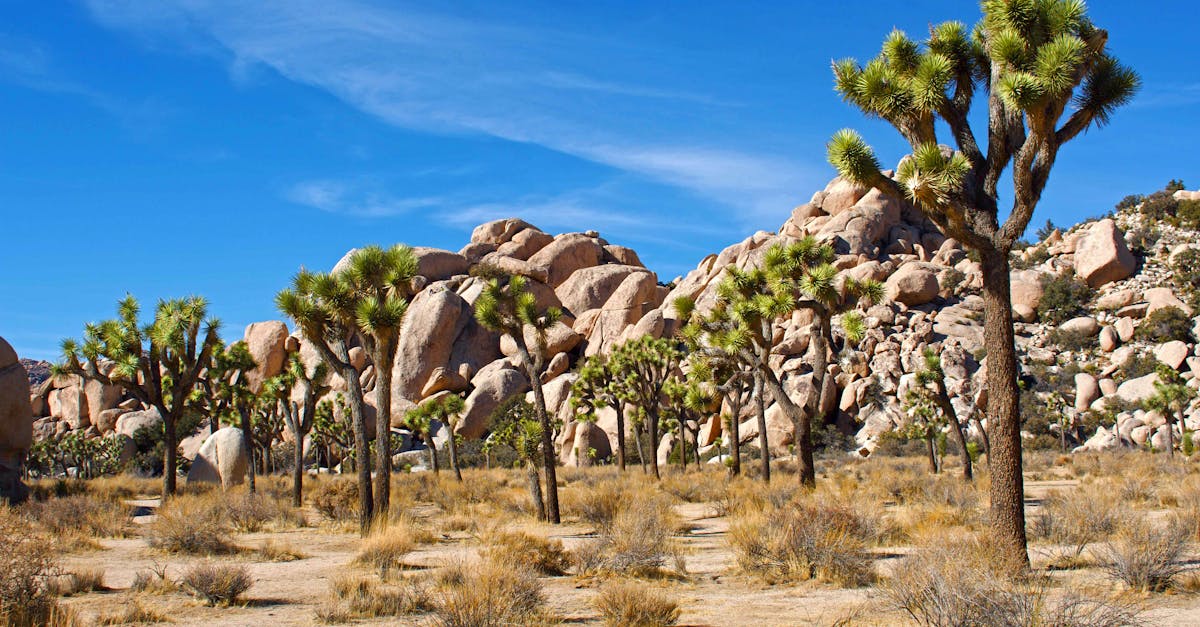 This photo was taken by Mr. Location Scout on Pexels.
Welcome to the sun-drenched heart of Southern California, where the earth stretches out in endless waves of gold and ochre. While many travelers flock to our golden coastlines, the true magic often lies in the rugged silence of our deserts. In this post, we embark on a journey through two of the state's most iconic yet contrasting wildlands: Joshua Tree and Death Valley National Park. From the twisted, alien silhouettes of ancient trees against a cobalt sky to the scorching beauty of the lowest, hottest, driest place in North America, these landscapes offer an otherworldly adventure for the bold explorer. Whether you are seeking the thrill of hiking among unique rock formations, braving the extreme heat to witness breathtaking vistas, or simply looking for the perfect spot to pitch a tent under a blanket of stars, prepare to discover the hidden wonders waiting just beyond the pavement.
Hiking Among the Alien Landscapes of Joshua Tree
Hiking Among the Alien Landscapes of Joshua Tree
Stepping onto the trails of Joshua Tree National Park feels less like a walk through nature and more like an expedition to another planet, where twisted yucca trees stand as silent sentinels against a canvas of endless blue sky. The terrain is a mesmerizing mosaic of massive granite boulders that have been sculpted by millennia of wind and erosion, creating a labyrinthine playground for rock climbers and hikers alike. As you navigate the Cholla Cactus Garden or ascend into the Hidden Valley, the silence is profound, broken only by the rustle of desert grasses and the occasional call of a raven, inviting you to slow down and truly witness the stark, surreal beauty that defines this high-desert ecosystem.
While the landscape may appear barren at first glance, it teems with life adapted to extreme conditions, offering a unique sensory experience from dawn until dusk. Morning hikes reveal the park in soft pastels as the sun paints the rock formations in hues of gold and lavender, while evening treks transform the shadows into dramatic silhouettes perfect for stargazing under some of the darkest skies in Southern California. Whether you are tracing the historic paths of old miners or simply finding a quiet spot atop a boulder to watch the sunset bleed into the horizon, the alien yet welcoming atmosphere of Joshua Tree ensures an unforgettable connection with the raw, untamed spirit of the American Southwest.
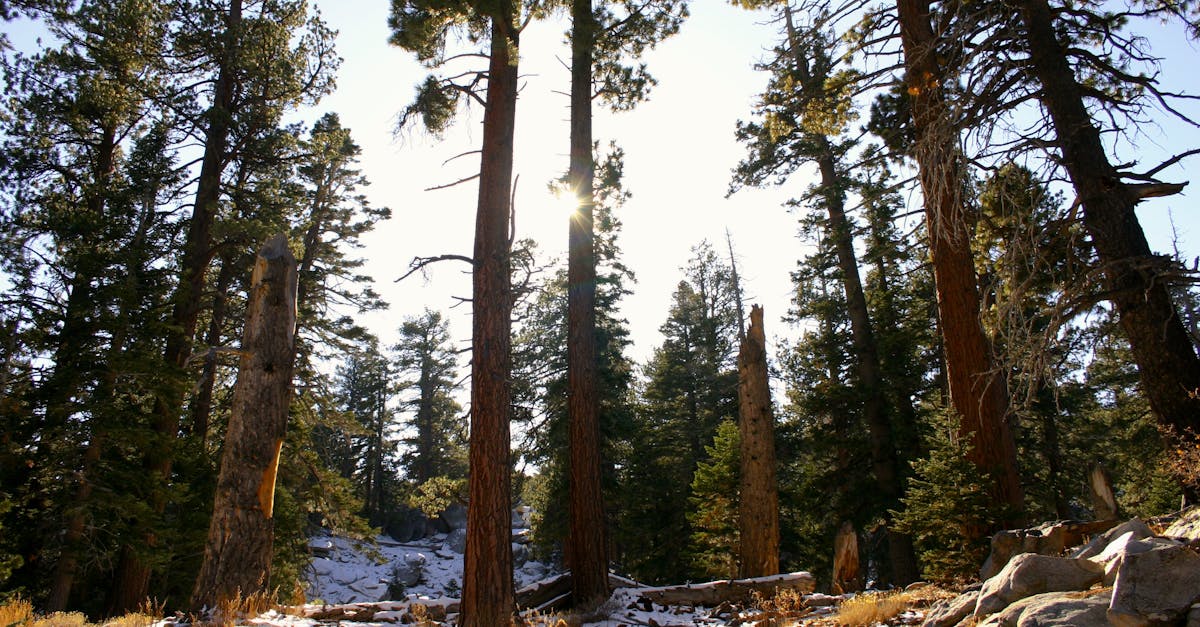 This photo was taken by James Lee on Pexels.
Braving the Heat and Wonder of Death Valley National Park
Stepping into Death Valley National Park is like traveling to another planet, where the air shimmers with heat and the landscape unfolds in a surreal tapestry of gold and rust. As you traverse the vast expanse of Badwater Basin, the world's lowest point in North America, you are greeted by an otherworldly silence broken only by the crunch of gravel underfoot. The scorching sun casts long, dramatic shadows that reveal the intricate textures of salt flats and eroded mountains, creating a stark yet mesmerizing beauty that demands respect. While temperatures can soar to extremes, early mornings and late afternoons offer a magical window where the light transforms the dunes of Mesquite Flat into glowing amber, inviting photographers and dreamers alike to witness nature's raw power.
Beyond the intense heat lies a hidden wonderland of resilience and life, proving that even in this harsh desert, miracles bloom. Oases like Furnace Creek provide a refreshing contrast with their lush palm trees and historic hotels, serving as a sanctuary for weary travelers seeking shade and cool water. Venture further to see the iconic Zabriskie Point at sunrise, where the valley floor seems to ripple with colors that shift from deep purple to fiery orange, or explore the Artist's Palette, a geological canvas painted by mineral-rich volcanic vents. This paradoxical blend of deadly conditions and breathtaking splendor makes Death Valley not just a place to endure the elements, but a destination to marvel at the incredible adaptability of life itself.
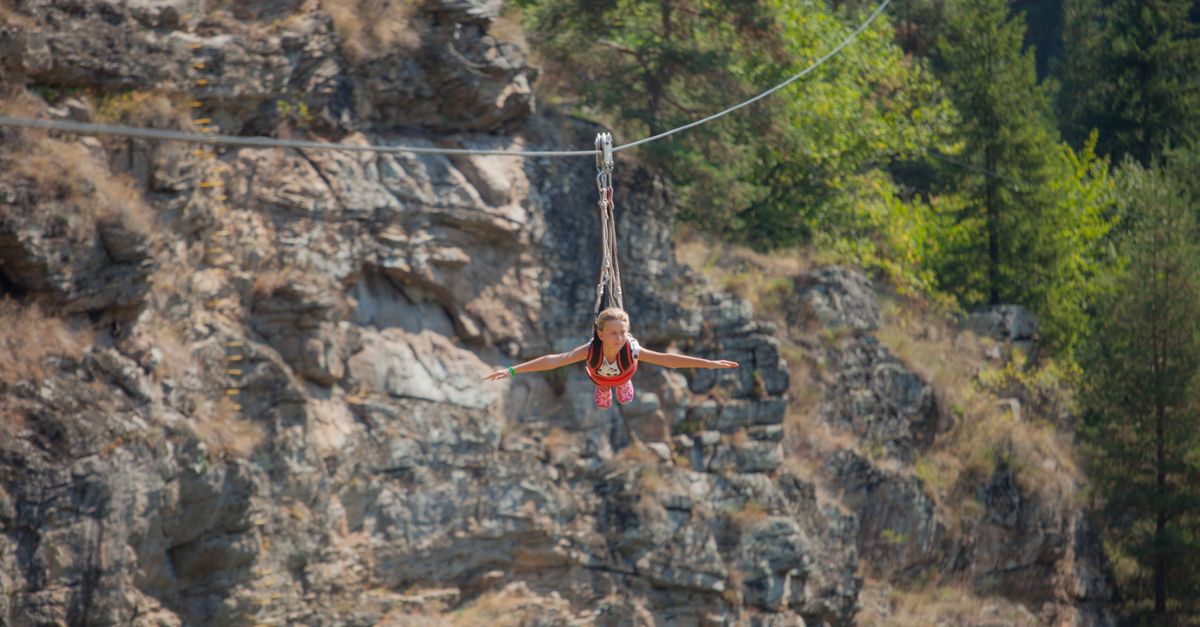 This photo was taken by Rainer Eck on Pexels.
Hidden Gems: Camping and Stargazing in California's Desert
While the iconic rock formations of Joshua Tree draw crowds, some of the most magical experiences lie in its secluded corners where the desert floor meets a canopy of stars. Seek out the primitive campsites along the Pinto Basin Road or the quiet pockets near Cottonwood Spring, far removed from the busier hubs, to witness a sky so unobscured by light pollution that the Milky Way appears as a tangible river of diamond dust. Here, under the vast expanse of the Mojave Desert, silence is your only companion, broken only by the crackle of a small campfire and the distant hoot of a coyote, creating an intimate connection with nature that transforms a simple night into a celestial spectacle.
Venturing further south into Death Valley offers an even more surreal stargazing environment, where the valley's extreme isolation and high elevation create some of the darkest skies on Earth. Camping at sites like Stovepipe Wells or Furnace Creek, you can gaze upon a star-filled panorama that feels almost otherworldly, especially when contrasted against the stark, glowing dunes of Mesquite Flat under moonlight. Whether you are capturing long-exposure astrophotography or simply lying back in a hammock to let the constellations spin above, these hidden desert oases provide a profound sense of scale and wonder, reminding visitors that California's arid landscapes are not just about heat and rugged beauty, but also about the infinite universe waiting to be explored after sunset. This photo was taken by Erik Mclean on Pexels.