Desert Oasis: Exploring Joshua Tree and Death Valley National Parks
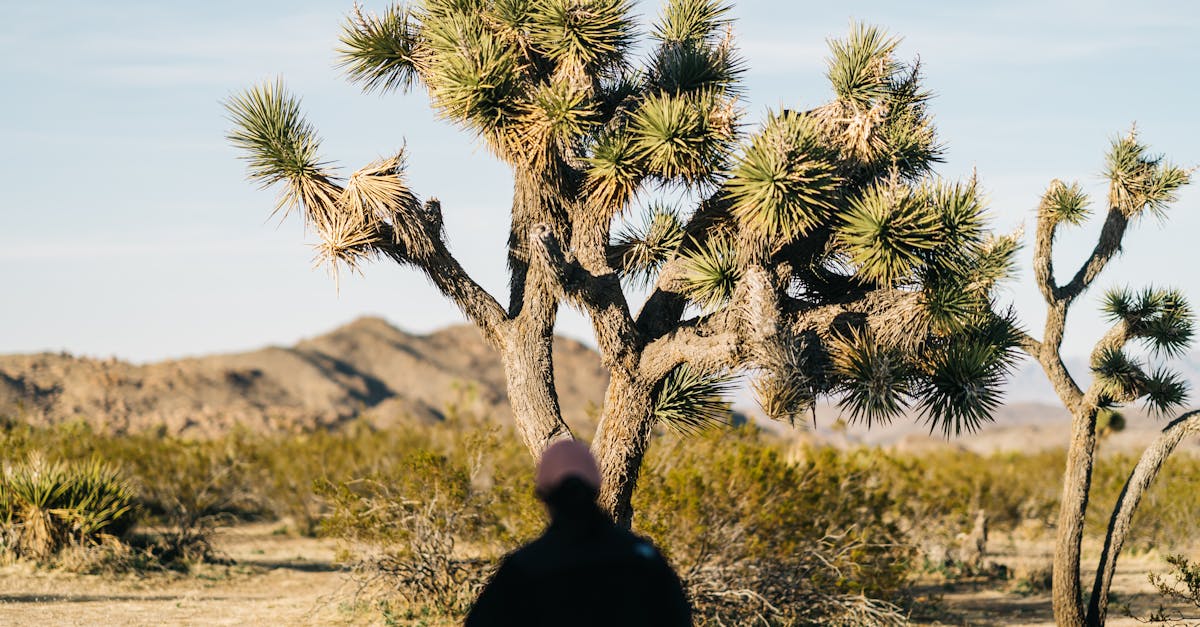 This photo was taken by Ricky Esquivel on Pexels.
Welcome to the golden heart of California, where two of America's most iconic deserts offer a journey unlike any other. From the twisted silhouettes of ancient Joshua trees to the scorching, surreal landscapes of Death Valley, these parks reveal a rugged beauty that challenges and rewards every traveler. Whether you are an avid hiker seeking unique geological formations, a brave soul ready to conquer extreme heat, or simply someone looking for the clearest night sky imaginable, this guide will help you navigate the wonders of our desert oasis. Get ready to explore a world where survival meets stunning vistas, and prepare to be mesmerized by the magic that unfolds under the Milky Way.
Ancient Giants: Hiking Through Joshua Tree's Unique Landscape
Ancient Giants: Hiking Through Joshua Tree's Unique Landscape
Stepping onto the trails of Joshua Tree National Park feels like entering a prehistoric movie set, where the rugged terrain is dominated by the park's namesake trees. These twisted, gnarled yuccas have stood sentinel over the Mojave and Colorado deserts for centuries, their silvery-green leaves reaching skyward against a backdrop of massive, weathered granite monoliths. As you hike through Hidden Valley or along the Ryan Mountain trail, the silence is profound, broken only by the crunch of gravel underfoot and the distant call of a raven, inviting you to pause and appreciate the stark, otherworldly beauty that has inspired artists and adventurers alike.
The geology here tells a story of immense time and shifting earth, with boulder fields that seem to have been scattered by giants themselves. Climbing these ancient formations offers not just physical challenge but a unique perspective on the desert ecosystem, revealing how resilient life thrives in this harsh environment. Whether you are watching the sun paint the rocks in hues of orange and purple at sunset or gazing up at a canopy of stars far brighter than any city can offer, Joshua Tree provides an unforgettable immersion into a landscape that is as hauntingly beautiful as it is timeless.
 This photo was taken by Erik Mclean on Pexels.
Extreme Beauty: Surviving and Thriving in Death Valley's Heat
Death Valley National Park stands as a testament to the raw, unforgiving power of nature, where temperatures can soar above 130°F (54°C) in the shade, creating an environment that challenges even the most seasoned adventurers. This extreme landscape is not merely about enduring the scorching sun but learning to read its subtle signs; the shimmering heat waves distorting the horizon are a visual reminder to respect the desert's intensity. Thriving here requires meticulous preparation, including hiking during the cooler dawn hours, carrying significantly more water than you think necessary, and seeking refuge in the park's few shaded oases like Badwater Basin or the historic Scotty's Castle. By understanding the rhythm of this arid expanse, visitors transform from mere survivors into appreciative observers of a world where life persists in the most unlikely places.
Despite its reputation for lethality, Death Valley offers a unique form of beauty that flourishes only under such harsh conditions, revealing vibrant wildflower carpets after rare rains and offering stark, surreal vistas that seem almost otherworldly. The interplay of light and shadow across the salt flats and sand dunes creates a dynamic canvas that shifts with every passing hour, inviting photographers and nature lovers to witness the delicate balance between desolation and resilience. When you step back from the immediate heat, the silence of the valley becomes profound, allowing you to connect deeply with the ancient geology and the tenacious plants that have adapted to survive where others cannot. Embracing these extremes teaches a valuable lesson in humility and awe, proving that even in the hottest place on Earth, there is a breathtaking majesty waiting to be discovered by those who come prepared.
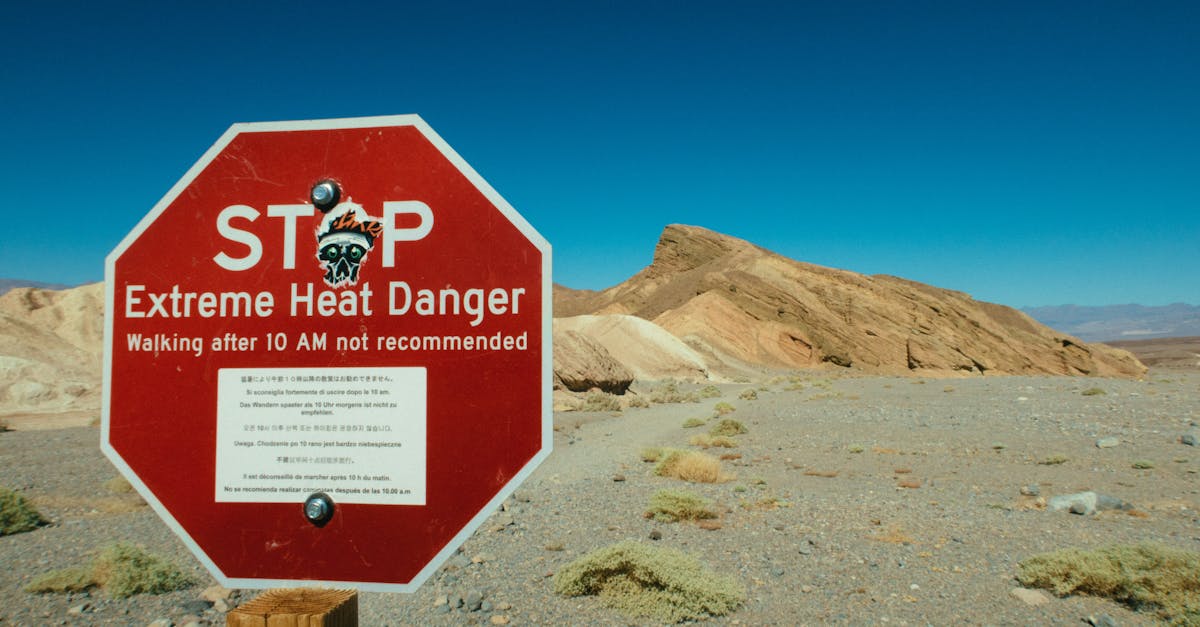 This photo was taken by Athena Sandrini on Pexels.
Stargazing Under the Milky Way: Nighttime Magic in the Desert
Stargazing Under the Milky Way: Nighttime Magic in the Desert
When the sun dips below the horizon of Joshua Tree and Death Valley, the desert transforms into a celestial cathedral where the sky is unobstructed by light pollution. Here, under some of the darkest skies in the contiguous United States, the Milky Way stretches across the heavens like a luminous river of diamonds, offering a view so vivid it feels within arm's reach. Whether you are nestled among the twisted silhouettes of ancient Joshua trees or standing on the vast, salt-encrusted flats of Badwater Basin, the silence amplifies the grandeur of the cosmos, allowing visitors to witness shooting stars and distant galaxies with a clarity that is impossible to find in urban environments.
To fully embrace this nighttime magic, many travelers choose to spend an evening camping in designated areas where the night sky becomes the primary attraction, often guided by local rangers who share stories of the constellations visible from these arid landscapes. The crisp desert air enhances the viewing experience, making every star appear sharper and brighter against the deep indigo backdrop. It is a humbling reminder of our place in the universe, turning a simple visit to these national parks into a profound spiritual journey that lingers long after the morning sun reveals the rugged beauty of the landscape once again.
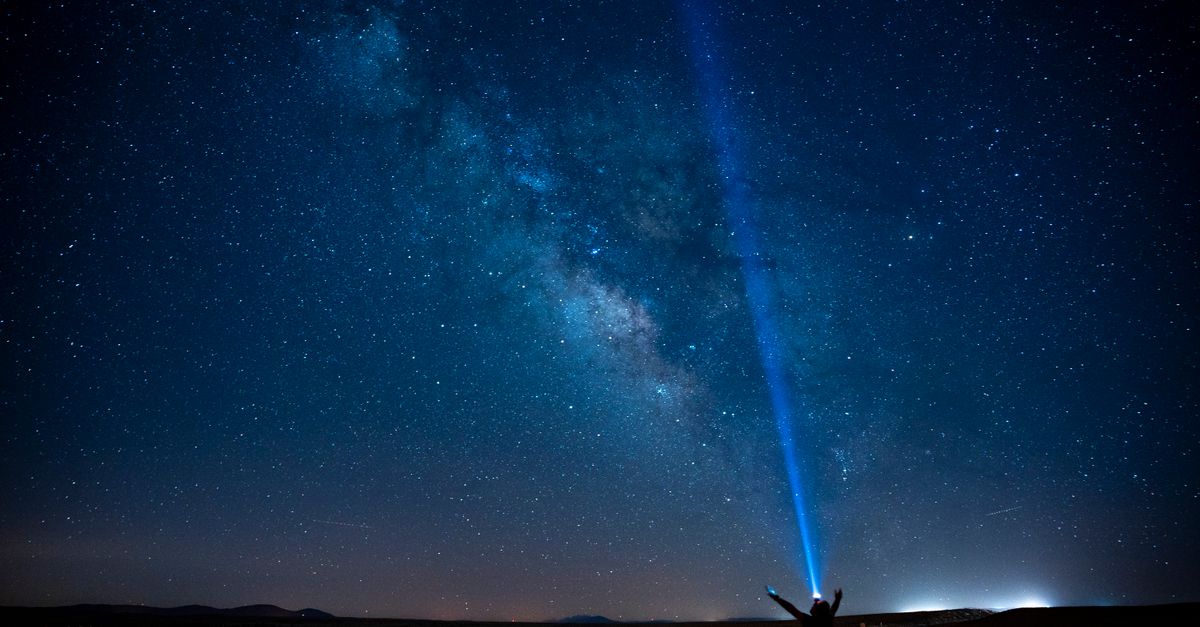 This photo was taken by Emre Mavi on Pexels.