Desert Oasis: Planning Your Perfect Joshua Tree Adventure
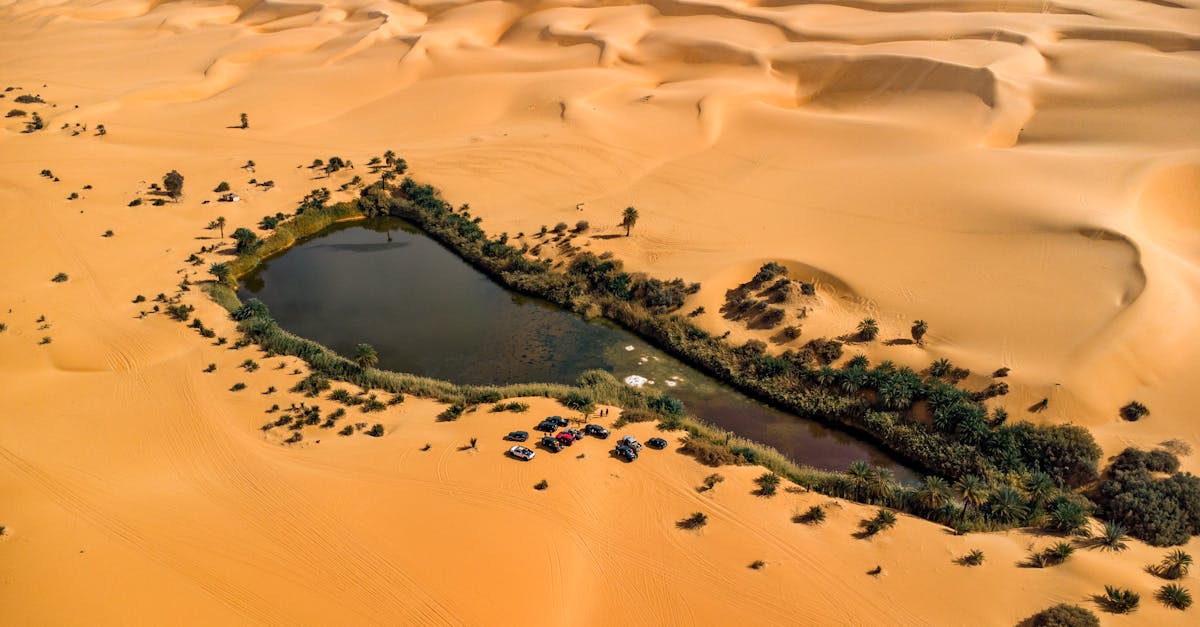 This photo was taken by محمد النائلي - Mohammed Alnaily on Pexels.
Just east of the bustling city life lies a surreal landscape where time seems to stand still and the earth wears its geology on its sleeve. Welcome to Joshua Tree National Park, a true California gem where ancient rock formations twist into bizarre shapes against a backdrop of endless blue skies. Whether you are an avid hiker seeking to navigate the park's labyrinthine trails, a photographer chasing the golden hour glow at sunrise or sunset, or an astronomer eager to witness some of the darkest night skies in the country, this desert oasis offers an unforgettable adventure. Before you pack your bags for this otherworldly journey, it is crucial to understand the unique rhythms of the high desert; in the following guide, we will help you navigate the iconic rock formations, reveal our top spots for celestial viewing, and provide an essential packing list to ensure your survival and comfort in the wild.
Navigating the Bizarre Rock Formations
As you venture deeper into the Mojave Desert, prepare your eyes for a surreal landscape where giant boulders seem to defy gravity and time. These massive rock formations, often called "jumbles" or "monoliths," are not just geological curiosities but the primary playground for climbers and photographers alike. Whether you are scaling the iconic "Big Rock" or exploring the labyrinthine paths of Hidden Valley, the jagged silhouettes against the azure sky create an otherworldly backdrop that feels like stepping onto another planet. Remember to stay on designated trails to protect these fragile ecosystems while enjoying the unique opportunity to walk among ancient granite giants that have stood watch over the desert for millions of years.
Navigating these bizarre structures requires a keen eye and a sense of adventure, as the rocks can be slippery and the terrain uneven under the scorching sun. The best times to explore are during the golden hours of sunrise and sunset, when the shifting light casts dramatic shadows that accentuate the twisted shapes of the stone and reveal hidden crevices teeming with lizards and wildflowers. Bring plenty of water, wear sturdy hiking boots, and consider hiring a local guide if you plan to tackle more challenging routes; the desert rewards those who respect its power and beauty, offering unforgettable memories framed by nature's most peculiar architecture.
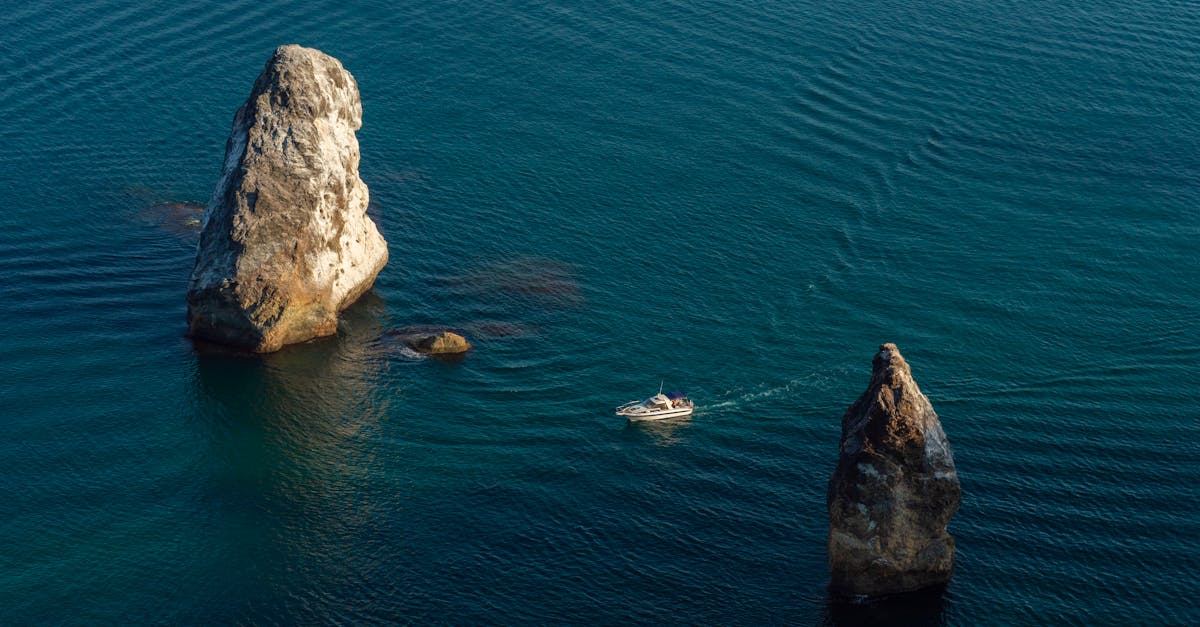 This photo was taken by Павел Хлыстунов on Pexels.
Sunrise, Sunset, and Stargazing Spots
As the sun begins its ascent over the Mojave Desert, Joshua Tree transforms into a surreal gallery of light and shadow, with the iconic twisted trees casting long, dramatic silhouettes against the pastel sky. For photographers and dreamers alike, Keys View offers one of the most breathtaking sunrise experiences in Southern California, where you can watch the golden hour paint the San Gorgonio Pass before gazing down at the shimmering Salton Sea far below. As evening approaches, the landscape shifts again, turning the rugged boulders into deep indigo shapes while the air cools, creating a serene atmosphere perfect for a quiet picnic or a gentle hike to witness the desert's famous sunset that seems to ignite the horizon in hues of burnt orange and violet.
Once twilight fully descends, the true magic of this remote sanctuary reveals itself: an unobstructed canvas of stars that rivals any professional observatory. Because Joshua Tree National Park is designated as an International Dark Sky Park, light pollution is virtually nonexistent, allowing visitors to witness the Milky Way stretching across the sky with crystal-clear brilliance. Whether you are settling in for a night of astronomy with a telescope at one of the campgrounds or simply lying back on a warm rock to count constellations, the silence of the desert amplifies the sense of wonder, making it an unforgettable celestial event that connects you deeply with the vastness of the universe.
 This photo was taken by Alexander Taranenko on Pexels.
Essential Packing List for Desert Survival
When venturing into the stark and beautiful landscapes of Joshua Tree, your packing list must prioritize hydration and sun protection above all else. Bring at least one gallon of water per person per day, as the arid desert air dehydrates you much faster than you might expect even on mild days. Complement this with a wide-brimmed hat, high-SPF sunscreen, and UV-blocking sunglasses to shield against the intense California glare. Sturdy, broken-in hiking boots are non-negotiable for navigating the rocky terrain and sharp cholla cacti, while lightweight, long-sleeved clothing made of breathable fabric offers an extra layer of defense against both the midday heat and sudden temperature drops.
Beyond personal comfort, safety gear is essential for surviving the unpredictable desert environment where cell service can be spotty and help is often far away. Always pack a detailed physical map and a compass, as GPS signals can fail in the deep canyons, alongside a fully charged power bank to keep your devices running. Include a comprehensive first aid kit tailored for outdoor emergencies, containing supplies for treating scrapes from rocks or stings from insects like scorpions. Finally, don't forget a headlamp with extra batteries; nights in the desert are pitch black, and having hands-free illumination is crucial for navigating camp or trails after sunset when temperatures plummet rapidly.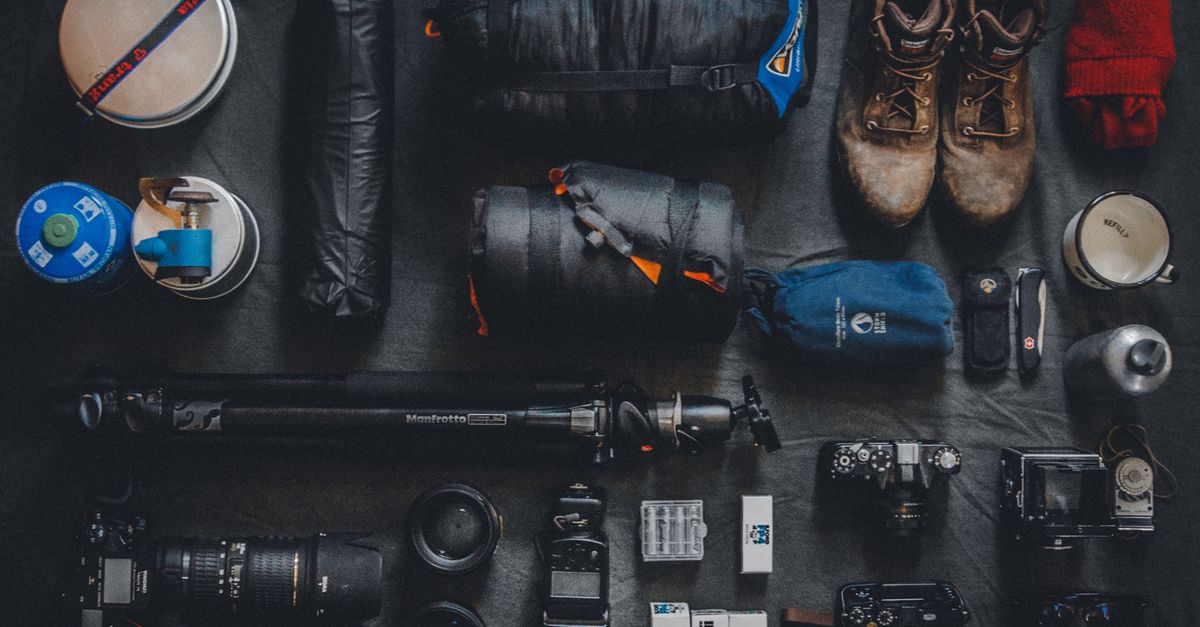 This photo was taken by Alex Andrews on Pexels.