Desert Oasis: Top Adventures in Joshua Tree and Death Valley
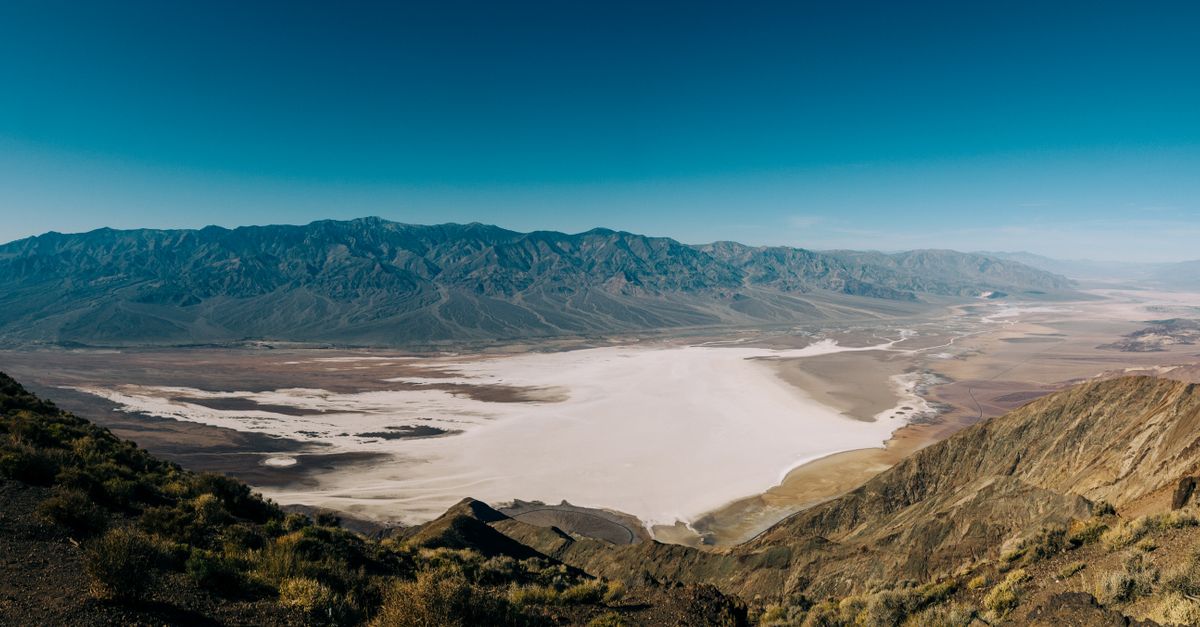 This photo was taken by salvatore ventura on Pexels.
Welcome to the heart of California's arid wilderness, where the landscape transforms into a surreal playground for the adventurous spirit. In this post, we invite you to trade the city skyline for the rugged allure of two of our state's most iconic desert sanctuaries: Joshua Tree and Death Valley. From the intricate, maze-like rock formations that define Joshua Tree National Park to the stark, otherworldly beauty and record-breaking depths of Death Valley, these destinations offer an escape like no other. Whether you are seeking the thrill of a challenging hike or the profound silence of stargazing under some of the darkest skies on Earth, prepare to discover top adventures that will leave you breathless in more ways than one.
Hiking the Labyrinthine Rock Formations of Joshua Tree National Park
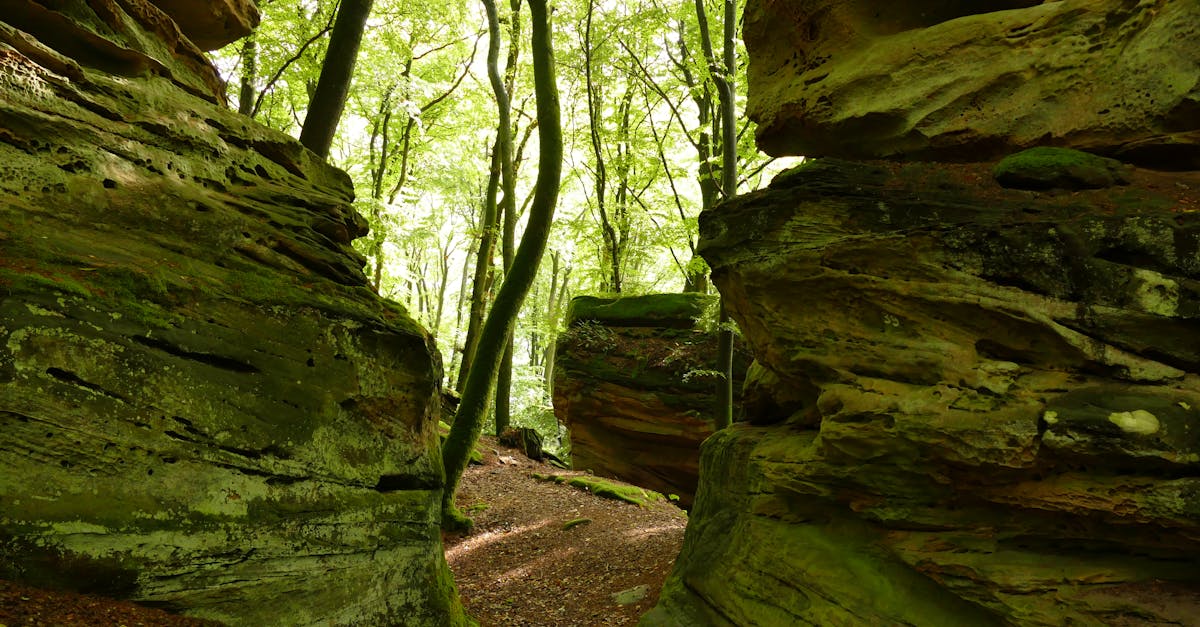
Joshua Tree National Park offers a surreal hiking experience where ancient, twisted rock formations create a natural labyrinth that seems to shift with every turn of the path. As you navigate through the massive boulders of Hidden Valley or ascend the rugged trails of Ryan Mountain, you will find yourself surrounded by a geologic wonderland that has inspired artists and adventurers for decades. The interplay of light and shadow on these granite monoliths creates an ever-changing landscape, inviting explorers to lose themselves in the maze-like corridors while keeping a close eye out for the park's namesake trees, which stand as resilient sentinels against the vast desert sky.
Before embarking on your trek through this rocky terrain, it is essential to prepare for the unique challenges of the high desert environment, where temperatures can swing dramatically between day and night. Bring plenty of water, wear sturdy footwear capable of handling loose scree and uneven surfaces, and start your hike early in the morning to avoid the peak heat while enjoying the cool breeze filtering through the crevices. Whether you are scaling the challenging routes at Skull Rock or simply wandering through the quiet trails near Jumbo Rocks, the park rewards those who take their time to observe the intricate details of its geological history and the quiet beauty of the Mojave Desert ecosystem.
 This photo was taken by maria dimmerling on Pexels.
Exploring the Stark Beauty and Extreme Depths of Death Valley
Death Valley National Park offers a landscape that defies imagination, where the stark beauty of scorched earth meets surreal geological formations. Visitors are often awestruck by the rhythmic ripples of Mesquite Flat Sand Dunes at sunrise or the jagged silhouettes of the Funeral Mountains casting long shadows across the salt-encrusted floor of Badwater Basin, the lowest point in North America. This otherworldly terrain, painted in hues of burnt orange, rust red, and blinding white, creates a visual symphony that feels both ancient and alien, inviting travelers to walk through history under an endless, azure sky.
Beyond the surface heat, the valley conceals extreme depths that range from its blistering summer temperatures to its hidden canyons and ancient petrified forests. Adventurers can descend into the winding corridors of Zabriskie Point, where erosion has sculpted the badlands into intricate patterns of light and shadow, or explore the rugged trails of Ubehebe Crater, a massive volcanic explosion scar that hints at the region's volatile past. Whether you are hiking through the cool shade of Panamint Springs or witnessing the moon-like glow of the desert at night, Death Valley challenges your senses while rewarding you with some of the most dramatic and untouched vistas on Earth.
 This photo was taken by Strange Happenings on Pexels.
Stargazing Under the Darkest Skies in Both Desert Sanctuaries
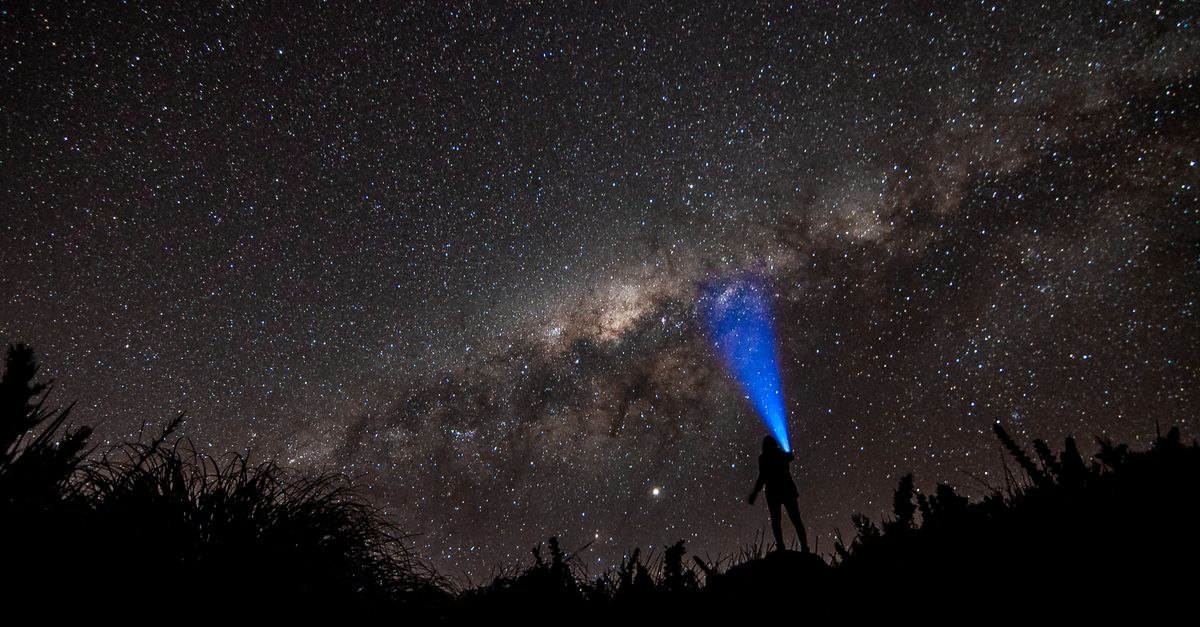
For the ultimate celestial experience, venture into the remote deserts of California where light pollution is virtually nonexistent. In Joshua Tree National Park, the rugged granite monoliths create a dramatic foreground for the Milky Way's core, offering photographers and stargazers a chance to capture constellations reflecting off the unique rock formations. Similarly, Death Valley National Park, home to some of the darkest skies in North America, transforms the vast salt flats into a natural mirror for the starry expanse above. Whether you are camping under the juniper trees of the High Desert or resting on the dunes of Badwater Basin, these sanctuaries provide an unobstructed view of the cosmos that reminds visitors of the infinite beauty of our universe.
To make the most of your night sky adventure, timing is everything; plan your visit during a new moon phase when the lunar glare is absent, allowing even the faintest stars to shine brightly. Both parks offer ranger-led night programs throughout the year, where experts guide groups through the history of astronomy and help identify major constellations and planets visible from the desert floor. Remember to dress warmly, as desert temperatures plummet rapidly after sunset, and bring a red-light flashlight to preserve your night vision while navigating the trails. By immersing yourself in these silent, dark landscapes, you will gain a profound appreciation for the ancient art of stargazing that has inspired explorers for centuries.
 This photo was taken by Marcio Msm on Pexels.