Eco-Tourism: Discovering California's Conservation Efforts and Wildlife
 This photo was taken by Loic Van Montagu on Pexels.
Guardians of the Golden State: California's Protected Parks and Reserves
 This photo was taken by ArtHouse Studio on Pexels.
Wild Encounters: Spotting Iconic Species from Redwoods to Redwoods
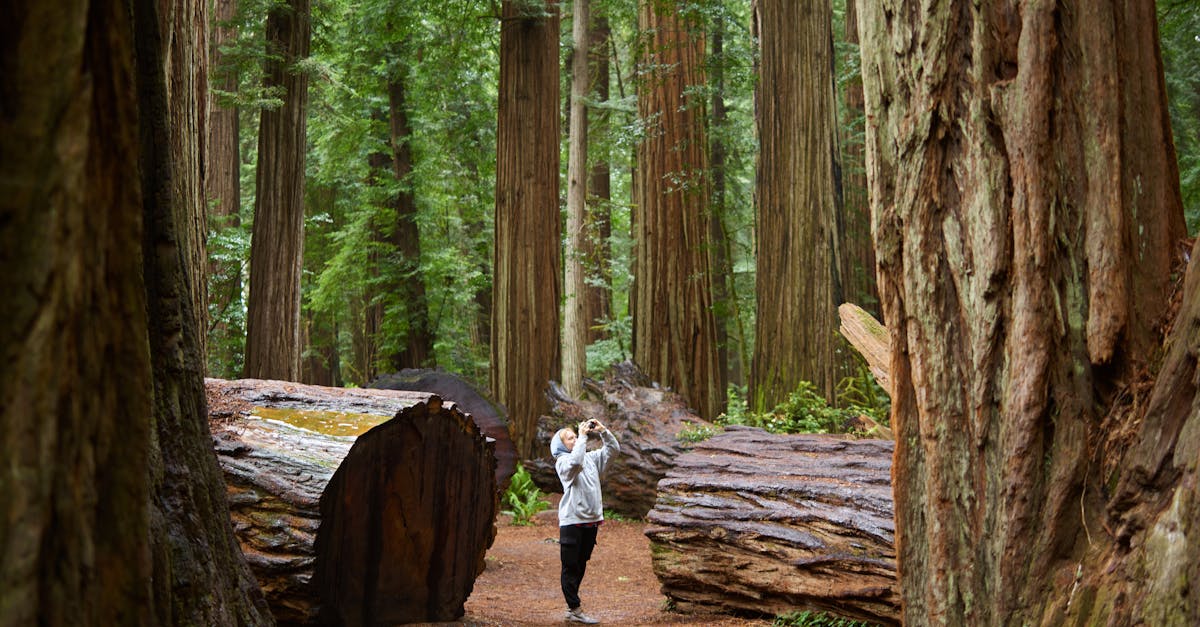
From the mist-shrouded giants of the Northern Coast to the sun-drenched canyons of the Sierra Nevada, California offers an unparalleled stage for wildlife observation that goes far beyond simple sightseeing. In places like Muir Woods and Redwood National Park, you can walk among ancient coast redwoods, the tallest trees on Earth, while keeping a watchful eye for the elusive marbled murrelet nesting in their high branches or the majestic Roosevelt elk grazing in the forest understory. These ecosystems are not just scenic backdrops but vital sanctuaries where conservation efforts have successfully restored habitats, allowing visitors to witness the delicate balance of nature as they hike trails designed to minimize human impact while maximizing educational opportunities.
Venturing further south or into our state's diverse aquatic environments reveals another chapter of this wild narrative, where iconic species thrive thanks to rigorous protection laws and community-driven stewardship. Whether you are kayaking through the kelp forests off the coast of Monterey Bay to spot playful sea otters and migrating gray whales, or trekking through the high desert of Joshua Tree to find bighorn sheep navigating rocky outcrops, every encounter tells a story of resilience. By choosing eco-friendly tours and respecting designated viewing areas, travelers actively support the ongoing work of local organizations dedicated to preserving these unique biodiversity hotspots, ensuring that future generations can also experience the profound magic of California's native fauna.
 This photo was taken by Mohammed Abubakr on Pexels.
Traveling Responsibly: How Visitors Can Support Local Conservation Initiatives
As you wander through the golden hills of Yosemite or snorkel in the kelp forests of Monterey Bay, remember that your presence is a powerful tool for conservation. Visitors can make an immediate impact by choosing certified eco-friendly tour operators who adhere to strict wildlife viewing guidelines and contribute a portion of their profits to local land trusts. Simple actions, such as staying on marked trails to prevent soil erosion and invasive species spread, keeping a respectful distance from marine mammals, and packing out all trash, help preserve these fragile ecosystems for future generations. By prioritizing sustainable transportation options like carpooling or using public transit to reach popular state parks, you also reduce the carbon footprint associated with tourism, ensuring that California's natural beauty remains vibrant.
Beyond responsible behavior on the ground, travelers can actively support local conservation initiatives by engaging directly with community-led projects and purchasing from businesses that champion environmental stewardship. Many coastal towns and national park communities offer volunteer days where tourists can join rangers for beach cleanups, native plant restoration, or data collection for wildlife monitoring programs, turning a vacation into a meaningful contribution. Additionally, donating to non-profits focused on habitat protection or buying locally made crafts supports the economic viability of communities that rely on healthy environments. When you choose to spend your money with companies that prioritize sustainability, you send a clear market signal that protecting California's unique biodiversity is not just a preference, but a necessity for the state's long-term prosperity.
 This photo was taken by Nomad Photographer on Pexels.