Eco-Tourism: Whale Watching and Conservation Efforts Along the Coast
 This photo was taken by Loic Van Montagu on Pexels.
Welcome to the golden coast of California, where the Pacific Ocean meets a rugged shoreline teeming with life and wonder. As we embark on a journey through our state's breathtaking coastline, we invite you to explore more than just the scenic views; let us dive into the heart of Eco-Tourism, focusing on one of nature's most majestic migrations: the gray whale. From the misty cliffs of Monterey to the sunny shores of San Diego, these gentle giants offer an unforgettable encounter that highlights the delicate balance between human curiosity and marine preservation. In this post, we will guide you to the best viewing spots for spotting Gray Whales, uncover the fascinating science behind conservation efforts protecting these creatures, and empower you with ethical guidelines to ensure your role as a traveler contributes positively to their future. Join us as we celebrate the ocean's wonders while committing to the vital work of preserving them for generations to come.
Spotting Gray Whales: The Best California Coastal Viewing Spots
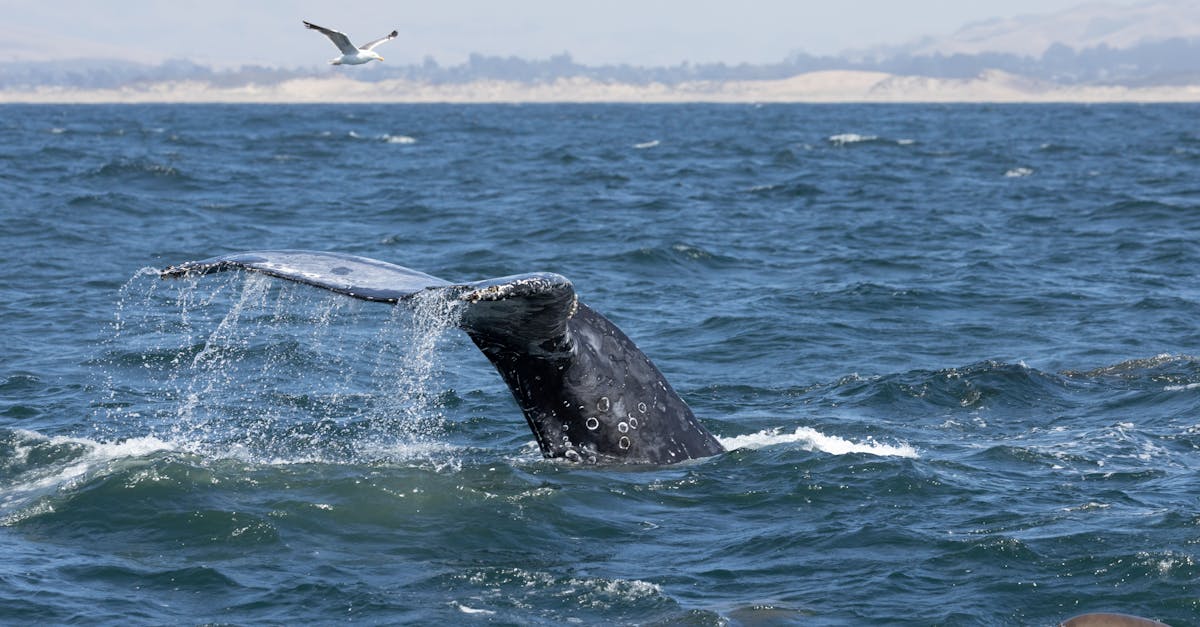
As the Pacific waters cool, California's coastline transforms into a premier destination for observing the majestic gray whale migration, a natural spectacle that unfolds from late December through April. The most iconic vantage points include Point Reyes National Seashore in Marin County and the rugged cliffs of Pismo Beach, where visitors can witness these gentle giants surfacing just yards from shore. For those seeking an immersive experience, the harbor at Moss Landing offers excellent opportunities to spot whales against the backdrop of the Monterey Bay, while the dramatic bluffs of La Jolla provide a unique perspective as families navigate the southern stretch of their journey. Each location offers a distinct atmosphere, from the misty, wind-swept vistas of the north to the sun-drenched shores of the south, ensuring that every observer connects deeply with the rhythm of the ocean.
Spotting these magnificent creatures is not merely about photography; it is a vital component of California's broader eco-tourism commitment to conservation. Local organizations and certified tour operators strictly adhere to federal regulations designed to minimize disturbance, ensuring that viewing remains safe for both humans and whales. By participating in guided excursions, tourists directly contribute to funding research initiatives that monitor population recovery and protect critical habitats from industrial threats. This harmonious blend of adventure and education empowers travelers to become stewards of the marine environment, fostering a deeper appreciation for the delicate balance required to keep these migratory routes thriving for generations to come.
 This photo was taken by Guy Seela on Pexels.
The Science Behind the Swell: How Conservation Groups Protect Marine Life
California's Pacific coastline serves as a vibrant laboratory where the awe-inspiring spectacle of whale watching intersects with rigorous scientific conservation. Organizations like the Marine Mammal Center and the Center for Whale Research utilize advanced acoustic monitoring, satellite tagging, and citizen science data to track migration patterns and identify critical habitats for gray, humpback, and blue whales. By analyzing oceanographic variables such as water temperature and krill density, these groups can predict optimal viewing locations while simultaneously minimizing human disturbance, ensuring that the presence of eco-tourists does not disrupt essential behaviors like nursing or mating.
The synergy between public engagement and marine protection has transformed passive observation into active stewardship, directly funding research and habitat restoration projects along the coast. When visitors participate in certified whale-watching tours, a portion of their fees often supports initiatives like the removal of ghost nets from the seabed and the establishment of seasonal speed restrictions for vessels to prevent ship strikes. This collaborative approach not only safeguards California's iconic cetaceans but also educates travelers on the delicate balance of our marine ecosystems, fostering a generation of advocates dedicated to preserving the ocean's biodiversity for future generations.
 This photo was taken by Nomad Photographer on Pexels.
Your Role in Preservation: Ethical Whale Watching Guidelines for Travelers
As you embark on your journey along California's rugged coastline to witness the majestic gray whales, remember that your presence carries a profound responsibility toward these gentle giants. Ethical whale watching goes beyond simply spotting a blowhole; it requires strict adherence to federal regulations and local guidelines designed to minimize human impact. Travelers must maintain a safe distance of at least 100 yards from whales and never attempt to touch, feed, or chase them, as such interactions can cause severe stress and disrupt critical behaviors like nursing and migration. By choosing licensed operators who prioritize education over entertainment, you ensure that your experience contributes positively to conservation efforts rather than exploiting nature for profit.
Your role as an eco-conscious traveler extends far beyond the boat deck, influencing the broader ecosystem through mindful choices and advocacy. Every time you respect no-go zones, keep noise levels low, and follow the captain's instructions, you actively participate in preserving the delicate balance of marine life that thrives from Monterey Bay to San Diego. Furthermore, consider supporting organizations dedicated to ocean health and research by donating or volunteering during your stay, turning your vacation into a catalyst for long-term change. When visitors collectively commit to these ethical standards, they help safeguard California's coastal heritage, ensuring that future generations can continue to marvel at the awe-inspiring spectacle of whales returning home to their breeding grounds.
 This photo was taken by Maasai Magic on Pexels.