Eco-Tourism: Whale Watching and Marine Sanctuaries Along the Shore
 This photo was taken by Loic Van Montagu on Pexels.
Welcome to the golden coast, where the rhythmic crash of Pacific waves meets a thriving underwater world. As your local guide, I invite you to explore one of California's most majestic natural spectacles: the annual migration of gray whales and the pristine ecosystems protected within our marine sanctuaries. This journey is more than just sightseeing; it is an opportunity to witness nature's grandeur while understanding how responsible eco-tourism plays a vital role in preserving these fragile habitats for generations to come. Join me as we dive into the heart of the ocean, discover the best vantage points along the shoreline, and learn how your presence helps safeguard the sustainable seas that call California home.
Gracing the Pacific: Best Spots for Gray Whale Migration
As the winter chill settles over the Golden State, the Pacific coastline transforms into a grand stage for one of nature's most spectacular journeys: the gray whale migration. From late December through April, these gentle giants embark on an epic 5,000-mile round trip between their Arctic feeding grounds and the warm lagoons of Baja California, often venturing within mere yards of our shores. For eco-tourists seeking an intimate connection with marine life, the cliffs of Point Conception and the sandy beaches of San Simeon offer unparalleled vantage points. Here, you can witness the majestic breach of a mother and calf or simply listen to the rhythmic exhalations of whales as they glide past, creating a profound sense of awe that underscores the importance of preserving our coastal ecosystems.
To ensure these magnificent creatures are protected while allowing visitors to observe them responsibly, California has established several critical Marine Sanctuaries, including the Monterey Bay National Marine Sanctuary and the Channel Islands National Marine Sanctuary. These protected waters serve as vital corridors where strict regulations minimize boat traffic noise and disturbance, fostering a safe environment for the migrating pods. Whether you join a certified naturalist-led tour from Santa Barbara or explore the shoreline from Morro Bay, your presence supports local conservation efforts that balance tourism with ecological stewardship. By choosing operators committed to sustainable practices, travelers not only enjoy an unforgettable encounter but also contribute directly to the ongoing preservation of California's rich marine biodiversity.
 This photo was taken by Erik Mclean on Pexels.
Diving into Protection: Exploring California's Marine Sanctuaries
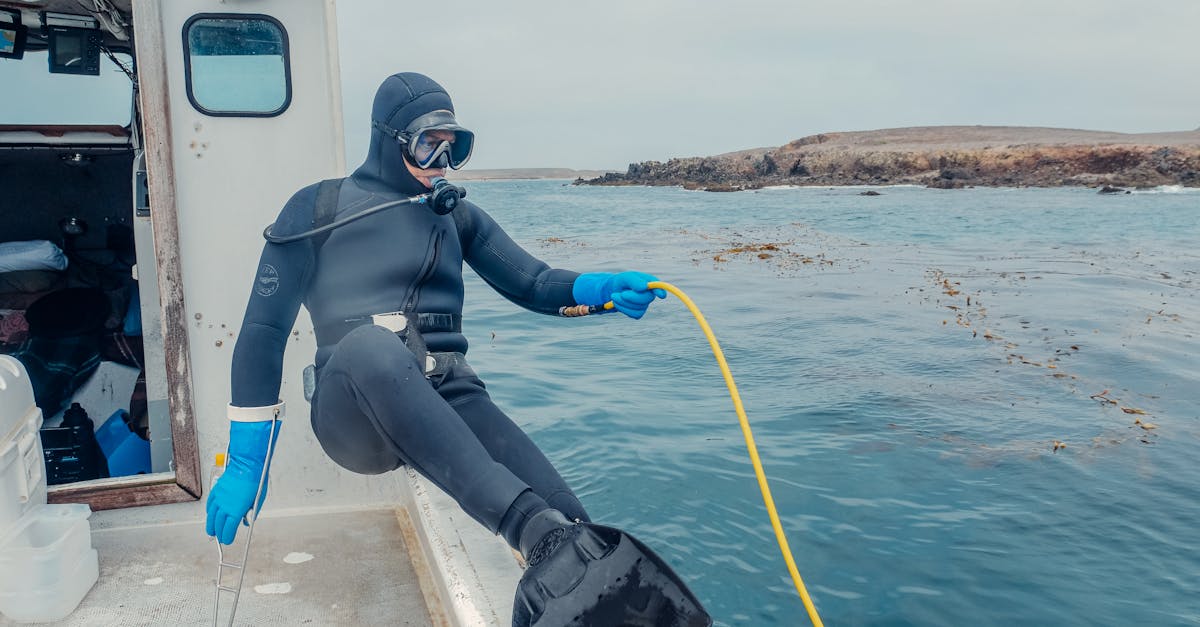
California's coastline is a vibrant underwater tapestry, home to some of the most protected marine environments in the world. The Channel Islands National Marine Sanctuary off Santa Barbara and the Cordell Bank National Marine Sanctuary near San Francisco offer pristine habitats where giant blue whales, humpbacks, and playful sea otters thrive without human interference. By visiting these sanctuaries, eco-tourists do more than just witness nature's grandeur; they actively contribute to conservation efforts that maintain the delicate balance of our ocean ecosystems. Whether you are snorkeling among kelp forests or taking a guided boat tour, you'll find yourself immersed in a sanctuary where strict regulations ensure that wildlife remains undisturbed, allowing for authentic encounters with creatures that have called these waters home for millennia.
Exploring these protected areas provides a unique perspective on the power of environmental stewardship, showcasing how careful management can lead to a resurgence of marine biodiversity. Many sanctuaries serve as critical breeding grounds and feeding zones, making them essential stopovers for migratory species traveling thousands of miles along the Pacific Flyway. As you navigate these serene waters, local guides often share insights into the ongoing research and community initiatives aimed at combating pollution and climate change impacts. This immersive experience not only deepens your appreciation for California's natural heritage but also empowers visitors to become advocates for ocean preservation, ensuring that these majestic marine sanctuaries continue to flourish for future generations to explore and enjoy.
 This photo was taken by Kindel Media on Pexels.
Sustainable Seas: How Eco-Tourism Safeguards Our Coastal Wildlife
California's rugged coastline serves as a breathtaking corridor for the world's most magnificent marine mammals, from the migrating gray whales to the playful sea otters of Big Sur. By choosing eco-conscious tour operators who adhere to strict federal guidelines, visitors become active participants in conservation rather than passive observers. These responsible practices ensure that boats maintain safe distances, minimizing stress on the animals and preventing disruptive noise pollution that can interfere with their communication and navigation. This symbiotic relationship between tourism and protection allows us to witness these creatures in their natural habitat while directly funding the research and monitoring efforts essential for their survival.
Beyond the thrill of spotting a breaching whale, our state's Marine Protected Areas act as vital sanctuaries where human activity is carefully regulated to preserve biodiversity. These designated zones provide critical breeding grounds, feeding areas, and nurseries that allow populations of endangered species like blue whales and sperm whales to recover and thrive. When tourists engage with local educational programs within these sanctuaries, they gain a deeper understanding of the delicate oceanic ecosystems and the threats they face, from plastic pollution to climate change. Ultimately, every ticket purchased supports a sustainable model that prioritizes the long-term health of our coastal wildlife, ensuring that future generations can continue to marvel at the wonders of the Pacific Ocean.
 This photo was taken by Erik Mclean on Pexels.