Eco-Tourism in California: Sustainable Ways to Explore the Wild
 This photo was taken by Loic Van Montagu on Pexels.
Welcome to the Golden State, where rugged coastlines meet towering redwoods and vast deserts shimmer under endless skies. As a local guide who has spent years exploring every corner of this diverse landscape, I am thrilled to share how you can experience California's untamed beauty while protecting it for future generations. This journey isn't just about seeing the wild; it's about engaging with it responsibly through eco-tourism practices that honor our unique ecosystems. Whether you are lacing up your boots for a trek through protected wilderness, seeking rest in sustainable lodges from the misty forests to the crashing waves, or joining wildlife conservation efforts that make a real difference, there is a way for every traveler to leave only footprints and take home memories that matter. Let's dive into the heart of California's nature and discover how we can explore the wild sustainably.
Hiking California's Protected Wilderness Trails
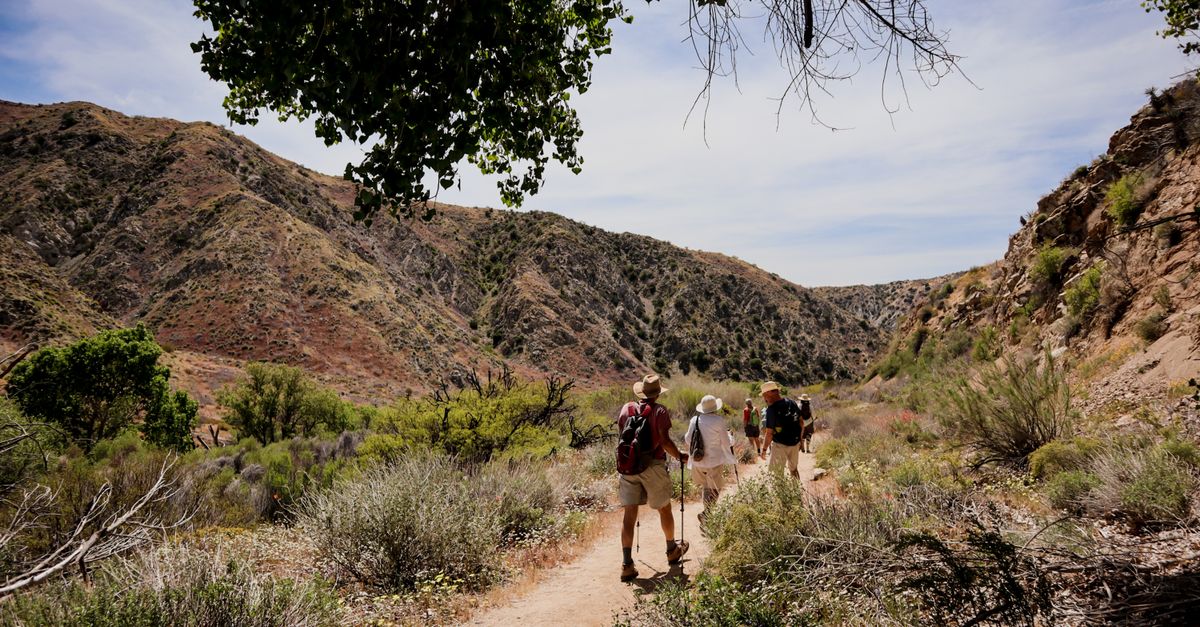
California's vast network of protected wilderness trails offers an unparalleled opportunity to immerse yourself in the state's diverse ecosystems while practicing responsible eco-tourism. From the ancient, towering redwoods of Humboldt County to the rugged granite peaks of the Sierra Nevada, these designated areas ensure that your journey leaves no trace on the environment. By sticking to marked paths and adhering to Leave No Trace principles, visitors help preserve fragile habitats for wildlife such as the California condor and the elusive mountain lion, allowing nature to thrive undisturbed. Whether you are trekking through the misty canyons of Big Sur or exploring the alpine meadows of Sequoia National Park, these protected zones provide a sanctuary where sustainable exploration meets breathtaking natural beauty.
Engaging with California's wilderness responsibly goes beyond simply staying on the trail; it involves supporting local conservation efforts and choosing tour operators who prioritize environmental stewardship. Many of the state's most iconic parks now offer guided eco-walks led by knowledgeable rangers who educate hikers about native flora, fire ecology, and the importance of biodiversity. This educational approach transforms a simple hike into a meaningful experience that fosters a deeper connection to the land. As you navigate these pristine landscapes, remember that your presence is a privilege, and by respecting the delicate balance of these wild spaces, you contribute to a legacy of conservation that allows future generations to experience the raw, unspoiled magic of California's great outdoors.
 This photo was taken by Gela delrose on Pexels.
Staying Green: Eco-Friendly Lodges from Redwoods to Coastlines
From the mist-shrouded giants of Humboldt County to the rugged cliffs of Big Sur, California's eco-lodges offer an immersive way to experience our natural wonders without leaving a heavy footprint. Imagine waking up in a solar-powered cabin nestled within the ancient redwood groves, where your morning coffee is brewed with locally sourced beans and your view is framed by towering trees that have stood for centuries. These sustainable retreats prioritize minimal environmental impact through rainwater harvesting, composting toilets, and the use of reclaimed materials, ensuring that your stay supports conservation efforts rather than detracting from them. By choosing these green accommodations, travelers directly contribute to the preservation of California's biodiversity while enjoying the comfort of modern amenities designed to harmonize with the surrounding landscape.
The commitment to sustainability extends beyond just the lodging itself, often encompassing guided experiences that deepen your connection to the coastlines and forests you visit. Many of these eco-friendly properties partner with local biologists and indigenous guides to offer educational tours focused on native flora, marine life protection, and regenerative agriculture practices. Whether you are hiking a trail managed by the lodge to prevent soil erosion or participating in a beach cleanup organized by the staff, your vacation becomes an active part of the solution. This holistic approach not only protects the pristine beauty of California's wild spaces but also fosters a deeper appreciation for the delicate balance between tourism and nature, proving that exploring the great outdoors can be both luxurious and responsible.
 This photo was taken by 30Nudos Adicora on Pexels.
Wildlife Conservation Tours That Give Back
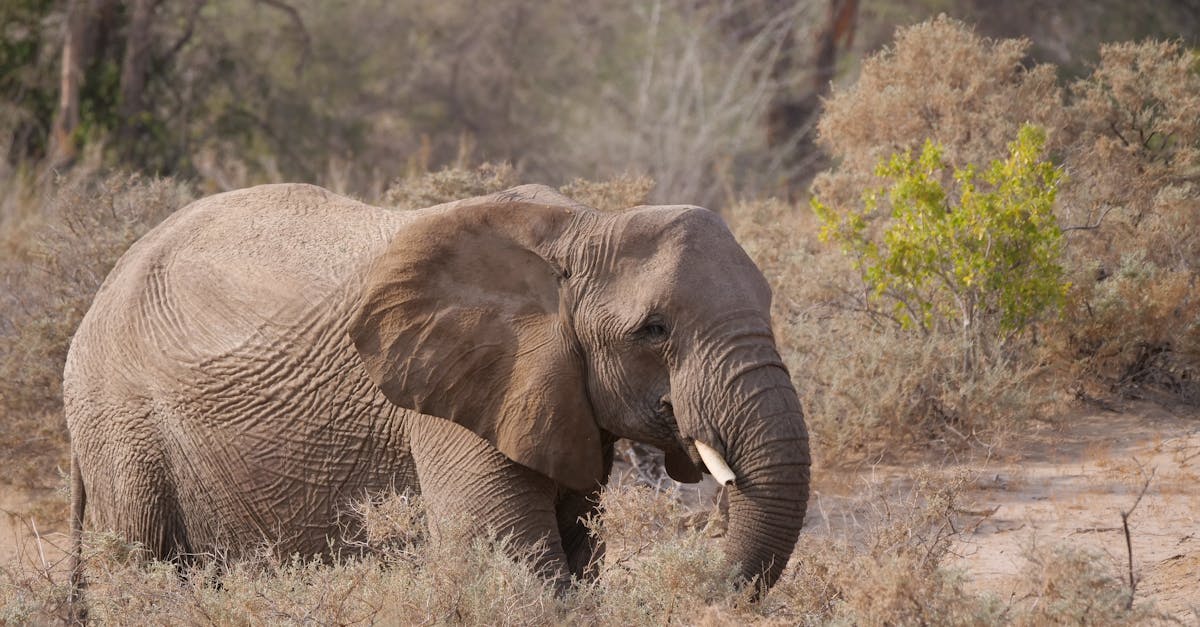
California's diverse ecosystems offer more than just breathtaking scenery; they provide unique opportunities to actively participate in conservation efforts through immersive wildlife tours. From the misty redwood forests of the North Coast to the arid deserts of Joshua Tree, specialized operators partner with local NGOs to guide visitors on tracking excursions where a portion of every booking funds habitat restoration and anti-poaching initiatives. Whether you are kayaking alongside sea otters in Monterey Bay while learning about kelp forest preservation or hiking with naturalists in Big Sur to monitor California condor recovery programs, these experiences transform passive sightseeing into meaningful stewardship, ensuring that the state's iconic species thrive for generations to come.
What sets these eco-tours apart is their commitment to ethical engagement and direct community impact, allowing travelers to witness the tangible results of their contribution. Many programs include hands-on activities such as native plant restoration, invasive species removal, or data collection for scientific research, giving participants a deeper connection to the land they explore. By choosing these sustainable pathways, tourists not only minimize their environmental footprint but also support local economies and indigenous knowledge systems that have long protected California's biodiversity. Ultimately, every journey becomes a vote for the wild, proving that responsible tourism can be the most powerful tool we have to safeguard our planet's precious treasures.
 This photo was taken by Rino Adamo on Pexels.