Eco-Tourism in California: Where to See Sea Otters and Whales
 This photo was taken by Erik Mclean on Pexels.
Welcome to the golden coast of California, where the rugged shoreline meets a vibrant underwater world teeming with life. As your local guide, I am thrilled to introduce you to one of our state's most cherished experiences: eco-tourism that allows you to witness nature's gentle giants in their natural habitat. From the playful antics of sea otters floating among kelp forests to the majestic breaches of whales migrating along the Pacific, the Central Coast offers an unparalleled connection to marine biodiversity. In this post, we will explore the best locations to spot these incredible creatures while emphasizing the importance of sustainable practices to ensure their habitats remain protected for generations to come.
Discovering Sea Otters in Monterey Bay
Monterey Bay National Marine Sanctuary serves as the premier sanctuary for one of California's most beloved marine mammals, the sea otter. With their distinctive habit of floating on their backs while cradling rocks to crack open shellfish, these playful creatures are a sight to behold for visitors exploring the coast. The best way to witness them is by joining a guided kayak tour or a wildlife cruise departing from Monterey Harbor, where knowledgeable naturalists can point out families of otters nestled in the vibrant kelp forests that stretch along the shoreline. Unlike many other marine animals, sea otters rarely venture far from shore here, making them incredibly accessible and providing an intimate glimpse into their daily lives amidst the crashing waves.
Observing sea otters in their natural habitat offers a profound reminder of the region's ecological richness and the success of conservation efforts in California. As you glide through the water or watch from the deck of a boat, keep an eye out for their curious interactions with tourists, though it is crucial to maintain a respectful distance to ensure their well-being. Beyond the otters, this area often provides the added thrill of spotting gray whales during migration seasons or even humpbacks feeding near the surface. By choosing eco-conscious operators who adhere to strict wildlife viewing guidelines, travelers not only enjoy unforgettable encounters but also contribute directly to the preservation of this dynamic marine ecosystem.
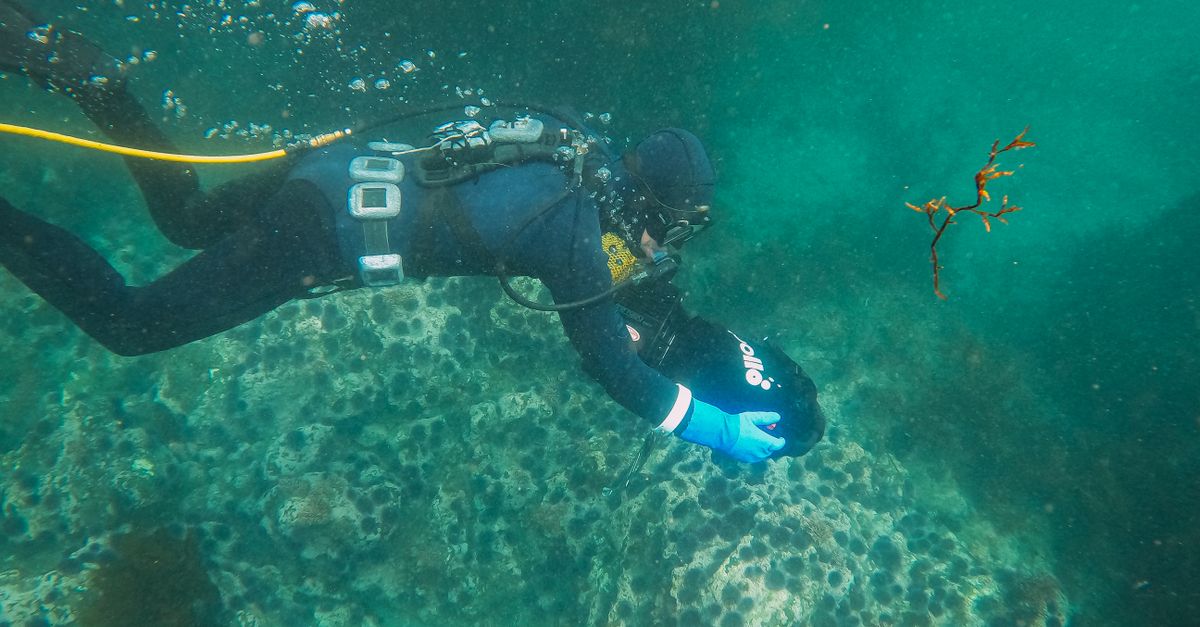 This photo was taken by Kindel Media on Pexels.
Whale Watching on the Central Coast
The Central Coast of California offers a breathtaking stage for one of the world's premier whale-watching experiences, particularly during the winter migration when thousands of gray whales journey from the icy waters of Alaska to the warm lagoons of Baja California. From the rugged cliffs of Monterey Bay to the historic harbor of Santa Barbara, these coastal towns provide unparalleled vantage points where visitors can witness the majestic breaches and tail slaps of these gentle giants in their natural habitat. Beyond the awe-inspiring sight of the whales themselves, this region is also a sanctuary for blue whales, humpbacks, and fin whales, making it a critical stop on the Pacific flyway and a testament to the area's rich marine biodiversity.
To ensure that this extraordinary wildlife encounter remains sustainable for generations to come, responsible eco-tourism operators strictly adhere to federal guidelines that maintain a safe distance between vessels and marine mammals while minimizing noise pollution. Many local tour companies are certified by organizations like the Center for Whale Research or hold NOAA Fisheries permits, ensuring that their practices prioritize animal welfare over spectacle. By choosing a knowledgeable guide who educates passengers on conservation efforts and the threats facing these species, tourists not only enjoy an unforgettable adventure but also contribute directly to the protection of the fragile ecosystems that sustain California's iconic sea otters and whales.
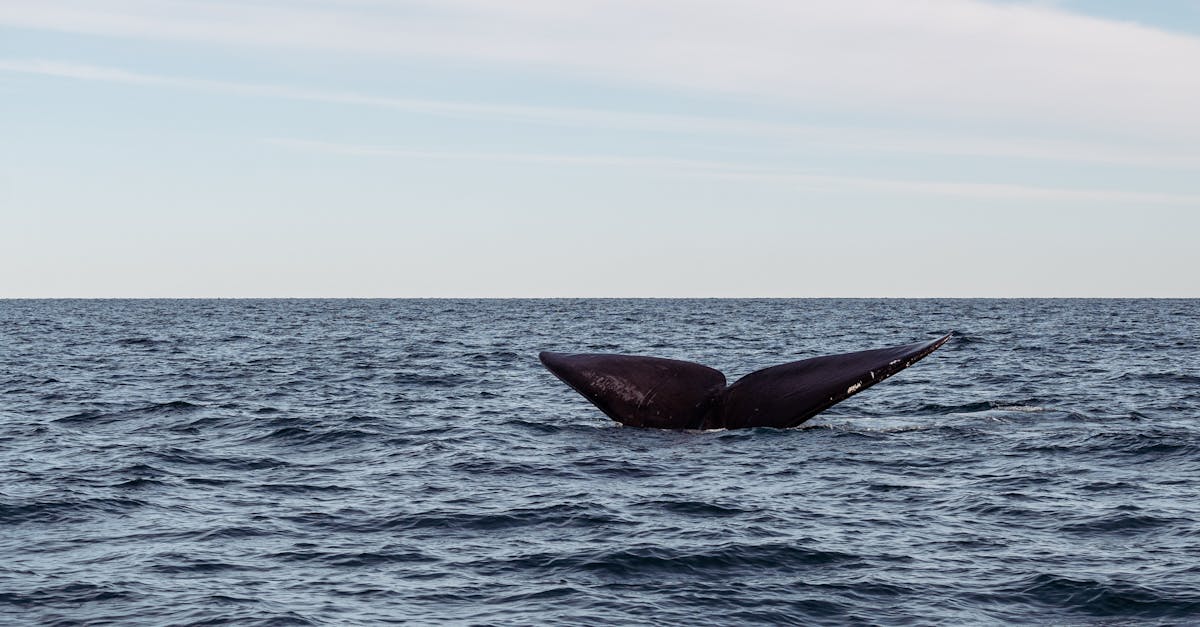 This photo was taken by ema reynares on Pexels.
Sustainable Practices for Responsible Marine Tourism
Exploring California's vibrant marine ecosystems requires a commitment to minimizing our footprint while maximizing our appreciation for nature. When embarking on whale watching tours or kayaking through kelp forests where sea otters play, it is essential to choose operators certified by organizations like the Marine Stewardship Council or those adhering to strict no-approach guidelines. These responsible tour providers ensure that vessels maintain safe distances from cetaceans to prevent stress and disruption of their natural behaviors, such as feeding and nursing. By supporting businesses that utilize low-emission engines and educate passengers on local wildlife etiquette, travelers directly contribute to the preservation of these majestic creatures and their fragile habitats.
On a personal level, practicing sustainable tourism extends beyond just selecting the right boat; it involves active participation in conservation efforts during your visit. Visitors are encouraged to participate in citizen science programs where they can log sightings of whales or report beach litter, helping researchers track population trends and ocean health. Furthermore, avoiding single-use plastics and using reef-safe sunscreen when swimming near shorelines prevents harmful chemicals from entering the water column, protecting the intricate food web that sustains everything from microscopic plankton to massive gray whales. By embracing these mindful practices, every tourist becomes a steward of California's coastline, ensuring that future generations can also witness the awe-inspiring spectacle of marine life thriving in its natural environment.
 This photo was taken by Vlad Chețan on Pexels.