From Redwoods to Deserts: California's Diverse Landscapes
 This photo was taken by Erik Mclean on Pexels.
Welcome to the Golden State, a land where the extraordinary is woven into the very fabric of the landscape. From the mist-shrouded giants of the north to the sun-baked silence of the south, California offers an unparalleled journey through some of Earth's most dramatic environments. Whether you are seeking the quiet majesty of ancient forests, the surreal beauty of arid badlands, or the rugged allure where towering peaks kiss the Pacific Ocean, this diverse tapestry awaits your exploration. Join us as we traverse these iconic terrains, uncovering the hidden gems and breathtaking vistas that make California a world-class destination for every type of traveler.
Walking Among the Giants: Exploring California's Ancient Redwoods
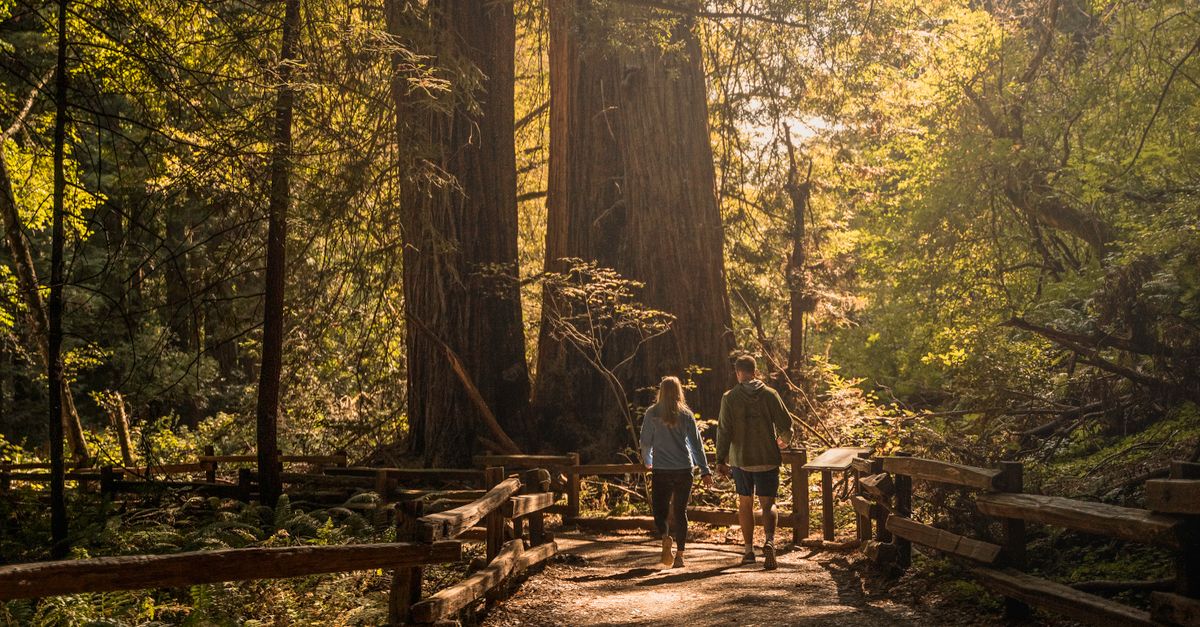
Stepping into the shadow of California's ancient redwoods is less like a hike and more like entering a living cathedral, where towering giants stretch hundreds of feet toward the sky in a misty embrace. Whether you wander through the fog-draped groves of Redwood National Park or explore the serene trails of Muir Woods near San Francisco, the air itself feels different—thick with history and the sweet scent of damp earth. These trees, some over 2,000 years old, have witnessed centuries of change, offering visitors a profound sense of perspective as they walk on carpets of moss and ferns that have thrived beneath their massive canopies for millennia.
Beyond the awe-inspiring height, these forests offer a unique ecosystem teeming with life hidden from casual view, from elusive Roosevelt elk grazing in open meadows to vibrant salamanders darting across fallen logs. Guided tours often reveal fascinating details about how these trees survive fire, floods, and drought, turning a simple stroll into an educational journey through natural resilience. As you make your way along the boardwalks and dirt paths, the silence of the forest allows you to truly disconnect from the modern world, providing a rare moment of tranquility that perfectly complements the dramatic contrast found elsewhere in the state's vast and varied landscapes.
 This photo was taken by Van on Pexels.
Sun-Scorched Wonders: A Journey Through Mojave and Death Valley
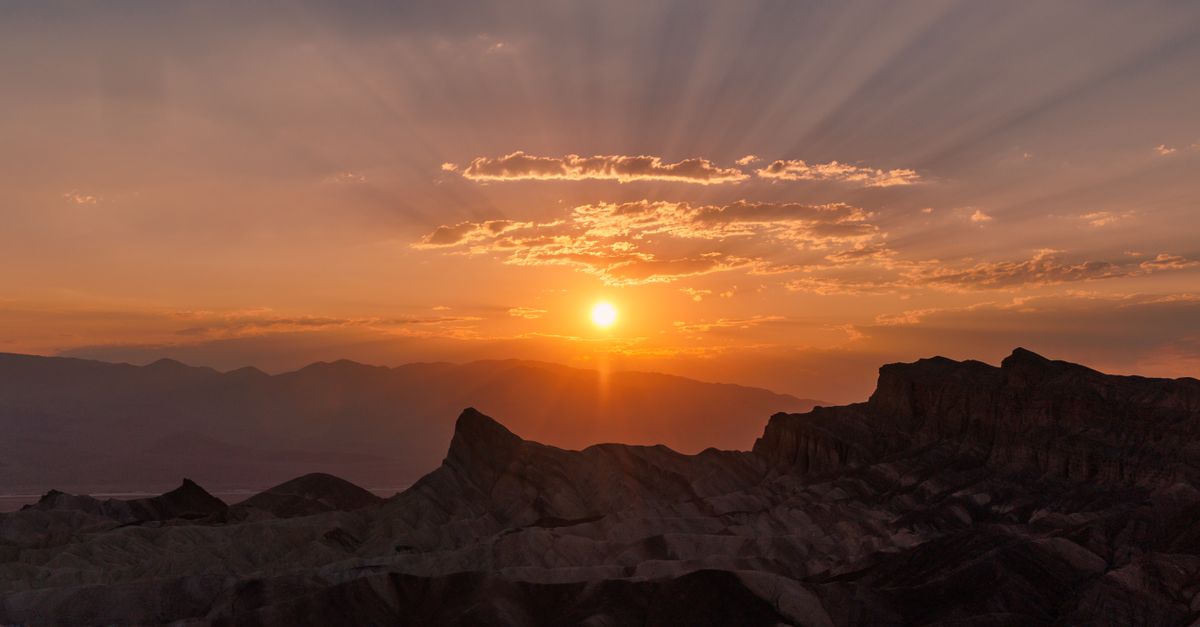
Embark on an otherworldly expedition into the heart of California's arid expanses, where the Mojave and Death Valley National Parks stand as testaments to nature's raw resilience. In the scorching heat of the Mojave, visitors can wander through Joshua Tree National Park, marveling at the twisted silhouettes of ancient trees against a backdrop of massive granite boulders that have captivated artists and hikers for decades. Just east lies Death Valley, the hottest, driest, and lowest place in North America, where Badwater Basin dips 282 feet below sea level and salt flats stretch endlessly under a relentless sun. Despite the extreme temperatures, these landscapes offer surreal beauty, from the golden dunes of Mesquite Flat to the vibrant wildflower blooms that occasionally carpet the desert floor after rare rains.
Exploring these sun-scorched wonders requires preparation but rewards travelers with some of the most dramatic stargazing opportunities on the planet. With minimal light pollution, both regions transform into celestial canvases at night, allowing you to witness the Milky Way in all its glory while camping under the vast, open sky. Whether you are hiking up the rugged trails of Scotty's Castle or driving along the scenic Route 190 through the Furnace Creek area, the stark contrast between the barren earth and the brilliant blue sky creates a sense of isolation and awe that is unique to California's desert heritage. It is a journey that challenges your limits while offering a profound appreciation for the tenacity of life thriving in one of Earth's most unforgiving environments.
 This photo was taken by Igor Passchier on Pexels.
The Golden Coastline: Where Mountains Meet the Pacific
As you drive along the iconic Pacific Coast Highway, often referred to as Highway 1, you will witness one of the most dramatic geological transitions on Earth where the rugged Sierra Nevada and coastal mountain ranges plunge directly into the churning blue of the Pacific Ocean. This stretch of coastline is not merely a scenic route but a living masterpiece where towering sea stacks, hidden coves, and windswept bluffs create a backdrop that changes with every mile. From the misty cliffs of Big Sur to the golden sands of Malibu, the interplay between the ancient granite mountains and the relentless waves offers a sensory experience that defines the California spirit, inviting travelers to pause and marvel at nature's raw power.
Beyond the immediate shoreline, this region serves as a gateway to diverse ecosystems that seem impossible in such close proximity. Just a short hike inland from these crashing surf breaks, you can find yourself wandering through dense redwood forests or traversing arid chaparral hills that have adapted to the Mediterranean climate. The Golden Coastline is more than just a beach destination; it is a dynamic frontier where the ocean breeze carries the scent of salt and sage, blending seamlessly with the earthy aroma of pine. Whether you are watching the sunset paint the sky in hues of amber and violet or exploring tide pools teeming with marine life, the meeting point of mountain and sea remains the heart of California's natural allure.
This photo was taken by Erik Mclean on Pexels.