Hiking Paradise: From Joshua Tree to Yosemite
 This photo was taken by Loic Van Montagu on Pexels.
Welcome to the ultimate guide for California's most breathtaking outdoor adventures! As your local guide, I've spent countless hours exploring the state's diverse landscapes, from the surreal, alien-like formations of the Mojave Desert to the majestic granite monoliths of the Sierra Nevada. In this post, we'll embark on a journey that bridges two of our nation's most treasured national parks: Joshua Tree and Yosemite. Whether you are seeking the quiet solitude of desert trails under a canopy of stars or the adrenaline rush of conquering iconic peaks like Half Dome, this article will equip you with everything you need to know. Get ready to discover hidden gems, understand the best times to visit, and plan your own hiking paradise across these contrasting yet equally stunning terrains.
Desert Dreams: Navigating Joshua Tree's Unique Trails
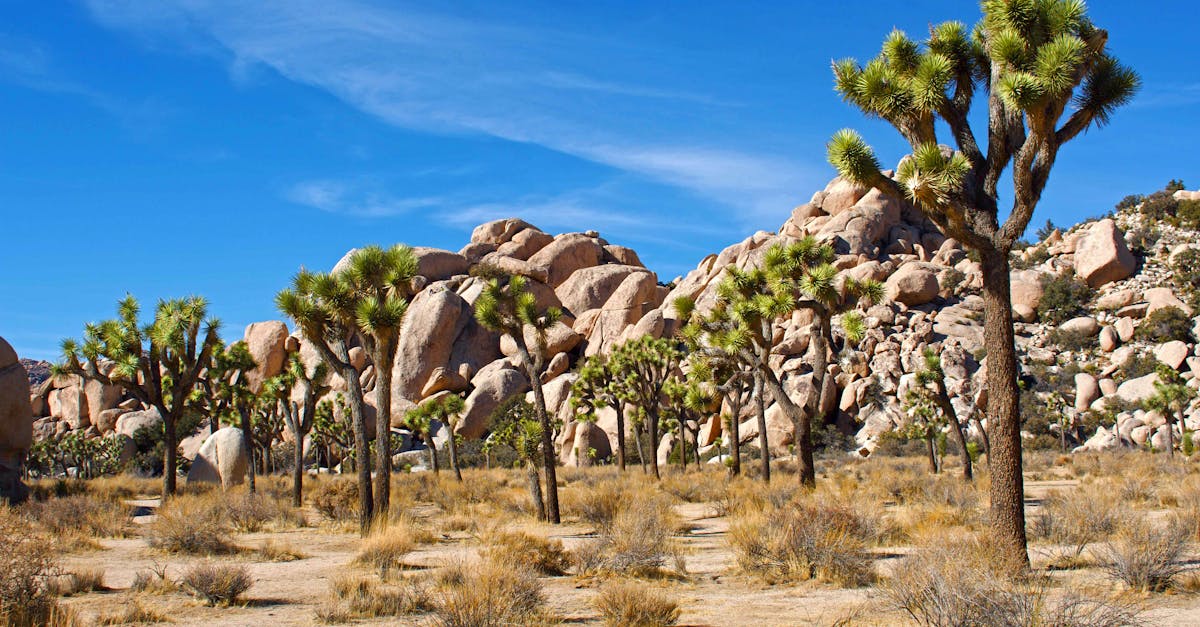
When you venture into the high desert of Joshua Tree National Park, you are stepping into a prehistoric landscape where twisted yucca trees stand as silent sentinels against a backdrop of colossal rock formations. Navigating its unique trails, such as the Hidden Valley Loop or the Ryan Mountain trail, offers an otherworldly hiking experience that feels more like exploring another planet than California's backyard. The terrain is a challenging yet rewarding mosaic of loose gravel, jagged boulders, and expansive sandy washes, inviting hikers to scramble over massive granite monoliths while keeping a close watch for the park's iconic wildlife, from bighorn sheep to elusive coyotes.
To truly embrace the spirit of this arid paradise, timing your hike is essential; early mornings provide cooler temperatures and the softest light for photography, while late afternoons reveal how the sun transforms the rocks into glowing shades of orange and purple at sunset. As you traverse these ancient paths, remember that the desert demands respect and preparation, so carry ample water, wear sturdy boots for the rocky footing, and stay on marked trails to protect the fragile ecosystem. Once you've conquered the rugged beauty of Joshua Tree, the journey continues northward, leading you toward the lush granite giants and cascading waterfalls of Yosemite, completing a perfect arc from the dry, star-filled skies of the Mojave to the verdant valleys of the Sierra Nevada.
 This photo was taken by Mr. Location Scout on Pexels.
Granite Giants: Conquering Yosemite's Iconic Peaks
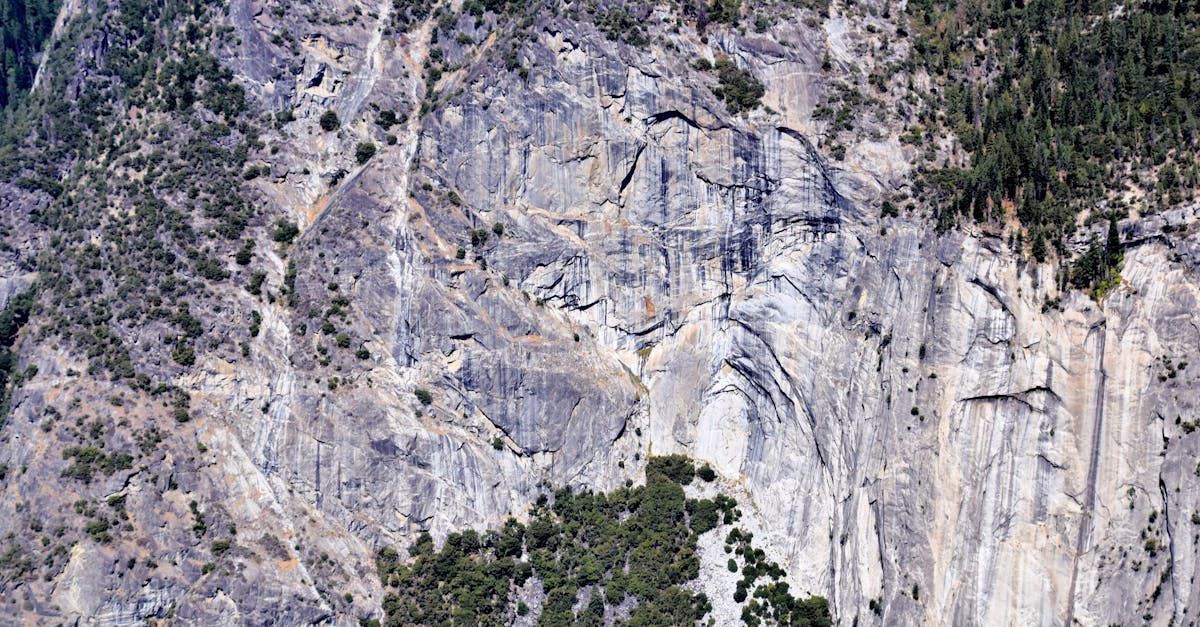
While Joshua Tree offers its own rugged charm, the granite giants of Yosemite National Park stand as a testament to geological grandeur that few places on Earth can match. Hikers here are greeted by the sheer verticality of El Capitan and the soaring dome of Half Dome, ancient monoliths carved by glaciers that rise dramatically from the valley floor. The challenge is not merely physical but spiritual, as trails wind through towering sequoias before ascending into alpine meadows where the air is crisp and the views stretch endlessly across the High Sierra.
Conquering these iconic peaks requires preparation and respect for nature's raw power, whether you are tackling the strenuous Mist Trail to Vernal Fall or attempting the demanding Four Mile Trail to Glacier Point. As you ascend, the landscape transforms from lush greenery to stark, sun-baked rock faces, rewarding your effort with panoramic vistas that define the California experience. For those who reach the summit, the silence atop these granite sentinels offers a profound connection to the wilderness, making every step of the journey an unforgettable chapter in your Californian adventure.
 This photo was taken by Jeffrey Eisen on Pexels.
Seasonal Secrets: Best Times to Explore Both Parks
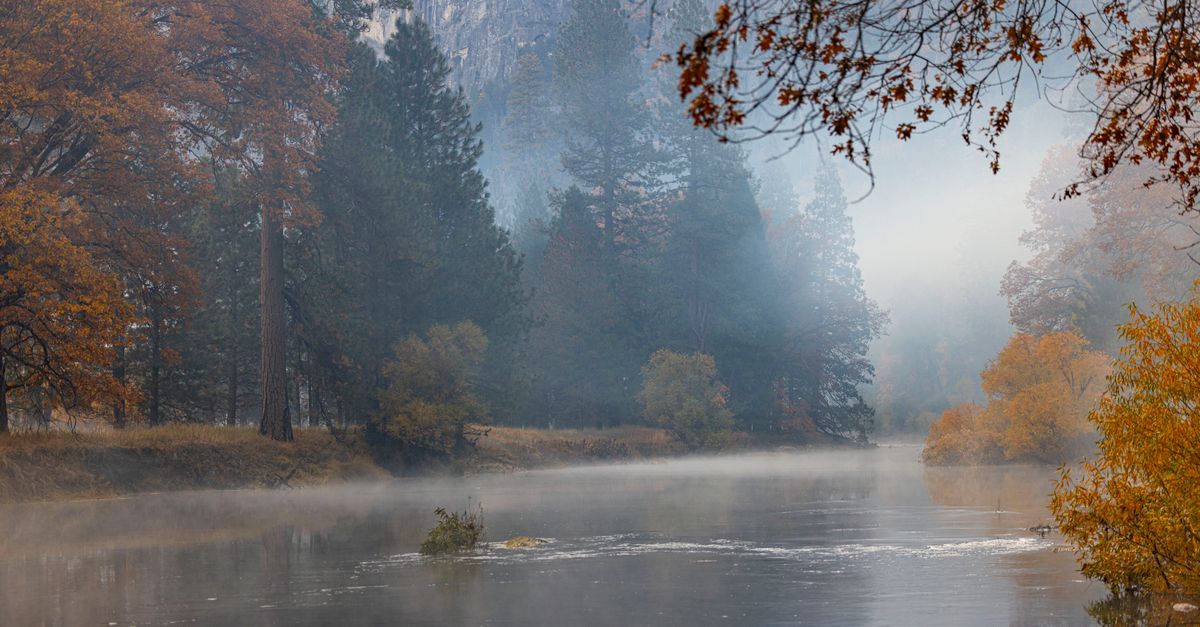
Timing your adventure between Joshua Tree and Yosemite is crucial to avoiding the sweltering desert heat and the heavy winter snows that can close high-elevation trails. For Joshua Tree, the sweet spot is from late October through April, when daytime temperatures are mild enough for extensive rock climbing and night hikes under a brilliant Milky Way. Conversely, Yosemite's magic peaks in late spring (May to June) when waterfalls are at their most powerful from snowmelt, or in early fall (September to October) when the valley floor glows with golden hues and crowds begin to thin. By planning your trip during these transitional windows, you ensure access to both parks' signature landscapes without battling extreme weather conditions.
While summer offers long days, it often brings intense heat to the Mojave Desert and dense fog or traffic congestion in Yosemite Valley, making it less ideal for hikers seeking solitude. A strategic itinerary might involve starting your journey in Joshua Tree during the crisp autumn months before heading north to Yosemite as the air turns cooler but before the first significant snowfall blocks Tioga Pass in November. This seasonal sequencing allows you to experience the stark beauty of the desert flora blooming in spring or the dramatic contrast of snow-capped granite peaks against blue skies, ensuring that your "Hiking Paradise" tour remains comfortable, safe, and visually spectacular throughout your entire California journey.
 This photo was taken by Stephen Leonardi on Pexels.