Hiking the Giants: A Beginner's Guide to Yosemite National Park
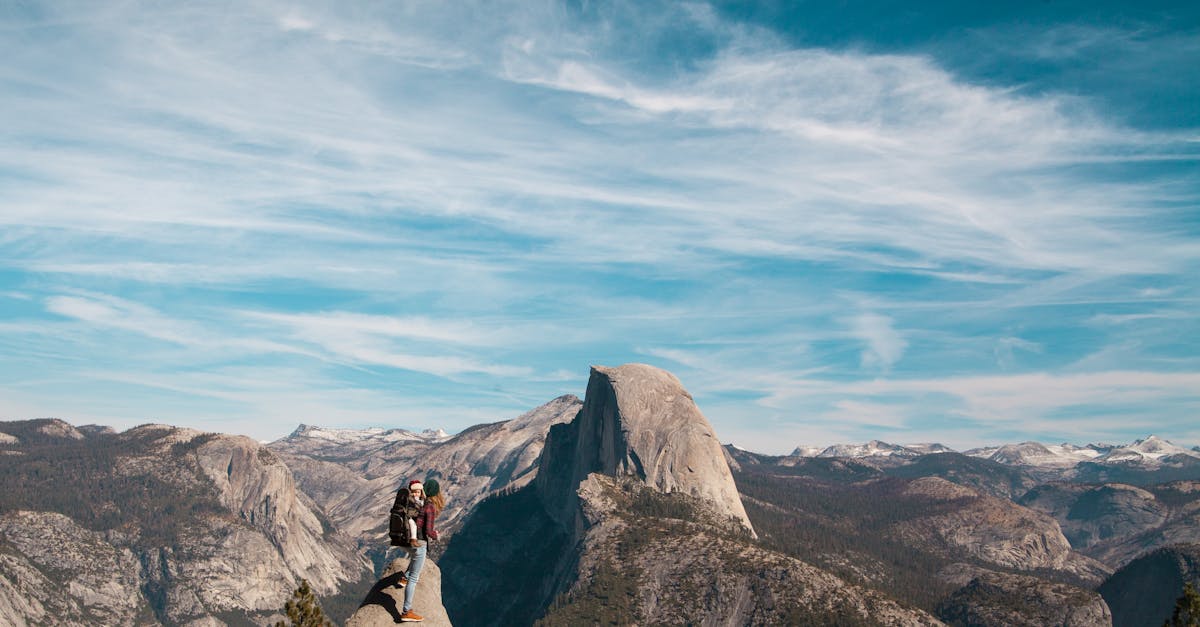 This photo was taken by Josh Willink on Pexels.
Welcome to the crown jewel of California's natural heritage! As your local guide, I'm thrilled to invite you on an unforgettable journey into Yosemite National Park, where ancient granite monoliths seem to touch the sky and waterfalls cascade like silver ribbons. Whether you are dreaming of standing beneath the towering majesty of El Capitan or simply seeking a peaceful escape among the giant sequoias, this park offers a magical experience for adventurers of all levels. In this post, "Hiking the Giants," we will walk you through everything you need to know to start your adventure with confidence. From packing the right essential gear and preparation for first-timers to discovering the most beginner-friendly trails that let you conquer these giants without overwhelming difficulty, we've got you covered. Plus, we'll share crucial safety tips and wildlife etiquette to ensure your visit is both safe and respectful of the incredible ecosystem. Get ready to lace up your boots and step into a world where nature reigns supreme!
Essential Gear and Preparation for First-Timers
Before you lace up your boots to tread beneath the towering granite cliffs of Yosemite, equipping yourself with the right gear is paramount for a safe and enjoyable experience. While the park offers stunning vistas, the terrain can be rugged and the weather unpredictable, especially in the high country where temperatures fluctuate rapidly between day and night. Pack a sturdy pair of broken-in hiking boots with excellent ankle support, moisture-wicking layers rather than cotton, and always carry a lightweight rain jacket. Don't forget the essentials: a detailed map or offline GPS app, as cell service is notoriously spotty in many canyon areas, along with at least two liters of water per person, high-energy snacks, and a basic first-aid kit to handle minor scrapes or blisters.
Preparation extends beyond just packing a bag; it involves understanding the park's unique regulations and seasonal challenges to ensure your visit runs smoothly. In California, the sun is intense, so wearing broad-spectrum sunscreen, a wide-brimmed hat, and UV-protection sunglasses is non-negotiable, even on cloudy days. It is also crucial to check the National Park Service website for current trail closures, bear activity reports, and shuttle schedules before you arrive, particularly during peak summer months when parking lots fill by mid-morning. Finally, practice "Leave No Trace" principles from the moment you step onto the trail, respecting wildlife by keeping a safe distance and storing all food securely to protect both yourself and Yosemite's famous black bears.
 This photo was taken by Maurício Mascaro on Pexels.
Top Beginner-Friendly Trails to Conquer the Giants
Nestled in the heart of California's Sierra Nevada, Yosemite National Park offers a magical introduction to hiking among giants without demanding expert endurance. For those just starting their journey, the Lower Yosemite Fall Trail is an absolute must; this paved, flat loop wraps around the base of one of North America's tallest waterfalls, providing breathtaking views of the cascading waters and granite cliffs while remaining accessible for strollers and wheelchairs alike. Another perfect option is the Mirror Lake Loop, a gentle 2-mile path that winds through lush meadows and past serene pools reflecting the majestic El Capitan, allowing beginners to soak in the iconic valley scenery with minimal elevation gain and maximum reward.
If you are ready to take a slightly longer step while still keeping the experience manageable, the Four Mile Trail offers a rewarding ascent to Glacier Point, though it requires pacing yourself carefully on its switchbacks. However, for a truly immersive encounter with giant sequoias, the Big Oak Flat Entrance Road features the Giant Sequoia Grove, where wide, well-maintained paths lead you directly into the forest of colossal trees like the Grizzly Giant. These trails are designed to welcome visitors of all fitness levels, ensuring that your first steps into the park are filled with awe rather than exhaustion, setting the stage for many more adventures to come in this natural cathedral.
 This photo was taken by Stefan Petrov on Pexels.
Safety Tips and Wildlife Etiquette in Yosemite
While Yosemite is generally safe for visitors, respecting the park's powerful natural forces is essential for a secure experience. Always stay on designated trails to avoid unstable terrain and sudden drop-offs, especially near the iconic granite cliffs like Half Dome. Be prepared for rapidly changing weather conditions by checking forecasts before you start your hike and carrying layers of clothing; summer afternoons can bring unexpected thunderstorms that create slippery paths and flash flood risks in canyon bottoms. Additionally, store all food, trash, and scented items in provided bear-proof lockers or vehicles, as leaving these out not only endangers you but also disrupts the local ecosystem.
Wildlife etiquette is equally critical when encountering Yosemite's majestic inhabitants, from black bears to mountain lions and mule deer. Maintain a safe distance of at least 50 yards from large animals and 25 yards from smaller wildlife, using binoculars or a zoom lens to observe them without causing stress or altering their natural behaviors. Never feed any animal, as this habit makes them dependent on humans and aggressive, which often leads to dangerous situations requiring animal relocation. If you encounter a bear, make yourself known by speaking calmly and backing away slowly; never run, as this can trigger a predator's chase instinct. By practicing these guidelines, you help preserve the wild spirit of the park for future generations while ensuring your own adventure remains memorable and uneventful.
 This photo was taken by Dmytro Koplyk on Pexels.