Historic Gold Rush Towns: Step Back in Time in Northern California
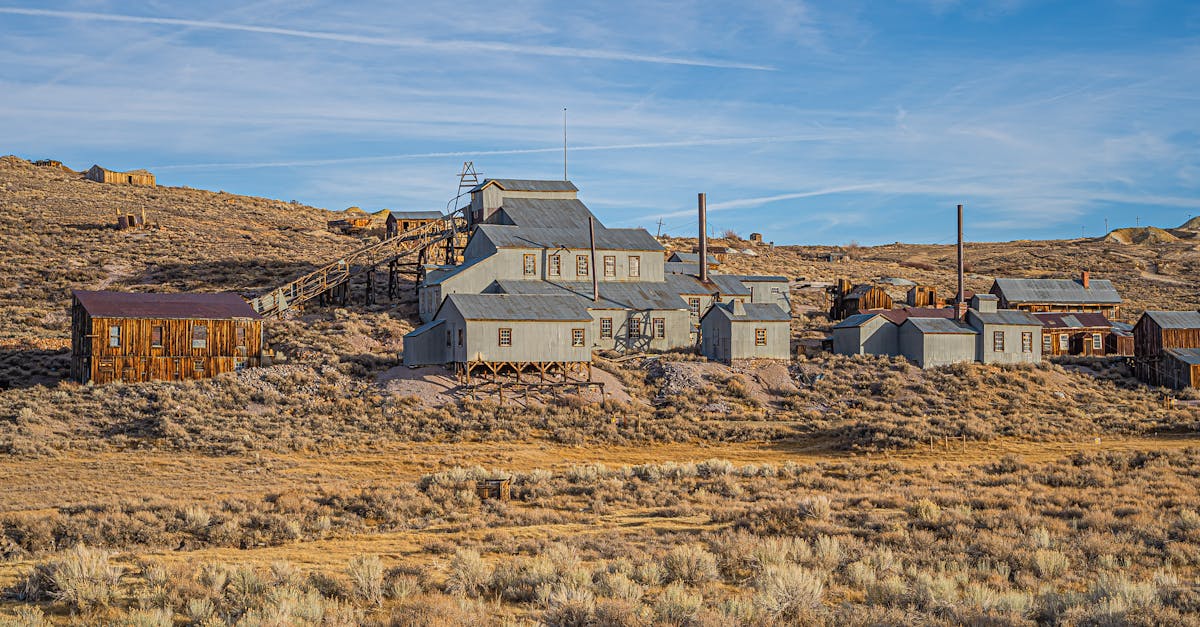 This photo was taken by Leonard Suarez on Pexels.
Welcome to the golden heart of California, where the echoes of pickaxes and dreams of fortune still resonate through the redwood canyons. As your local guide, I invite you to embark on a nostalgic journey back to the mid-19th century, exploring the rugged charm of Northern California's historic Gold Rush towns. From the well-preserved cobblestone streets that whisper tales of prospectors to the ghostly remnants of once-thriving mining camps, these destinations offer more than just history—they provide a living window into the era that built our state. Whether you are tracing the footsteps of pioneers in Calaveras County, uncovering hidden treasures at Columbia State Historic Park, or standing where it all began at Sutter's Mill, prepare to step back in time and discover the enduring legacy of the gold seekers who changed the world.
Walking the Cobblestone Streets of Calaveras County
Step into the golden past as you wander through the cobblestone streets of Calaveras County, where the echoes of the 1849 Gold Rush still resonate against weathered timber facades. In towns like Angels Camp and Murphys, every stone under your boots tells a story of prospectors who once raced for fortune, transforming rugged wilderness into vibrant mining communities. As you explore these preserved historic districts, you'll pass by original saloons, blacksmith shops, and general stores that have stood the test of time, offering a tangible connection to the era when California's destiny was forged in dirt and determination.
Beyond the visual charm, strolling these narrow pathways offers an immersive experience into the folklore and culture that defined Northern California's boom years. Keep an eye out for the famous frog jumping contests in Angels Camp, a tradition born from Mark Twain's "The Celebrated Jumping Frog of Calaveras County," which adds a whimsical touch to the serious history of the region. Whether you are sipping coffee at a century-old cafe or browsing antique shops filled with relics from the gold rush, the atmosphere here is uniquely enchanting, allowing visitors to truly step back in time while enjoying the warm hospitality that has been a hallmark of Calaveras County for generations.
 This photo was taken by Mitchell Cizmas on Pexels.
Mining for Memories: Exploring Gold Hill and Columbia
Step onto the wooden boardwalks of Columbia State Historic Park, a living museum that preserves the vibrant chaos of the 1850s Gold Rush era more faithfully than almost any other site in California. Here, you can wander past restored saloons and general stores where gold miners once traded stories and fortunes, immersing yourself in an atmosphere that feels remarkably untouched by time. The town's layout remains exactly as it was during the boom years, allowing visitors to peek through windows into period-accurate shops or catch a glimpse of costumed interpreters demonstrating blacksmithing and washing techniques right on Main Street.
Just nearby lies the rugged charm of Gold Hill, offering a quieter but equally captivating journey into the region's mining heritage along the Merced River. This area invites you to try your hand at panning for gold in the very waters that fueled a global migration, providing a tangible connection to the dreams and hardships of the original prospectors. Whether you are exploring the historic cemeteries that tell tales of lost lives or simply enjoying the panoramic views of the Sierra Nevada foothills, these two destinations together create an unforgettable narrative of resilience and discovery that defines Northern California's golden age.
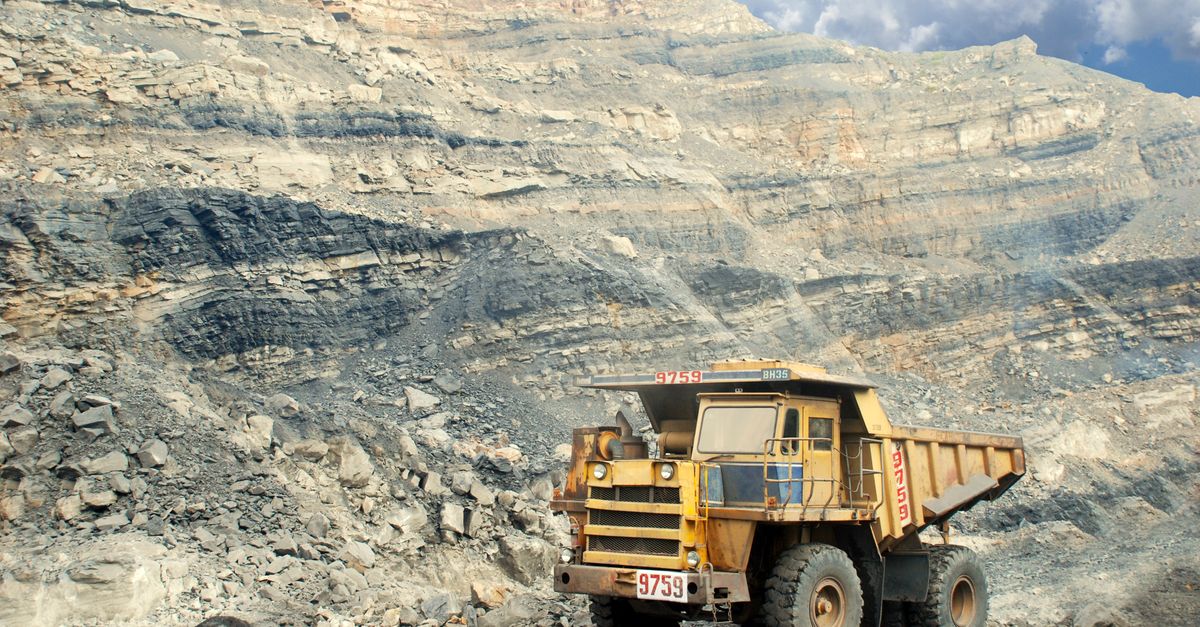 This photo was taken by Gansham Ramchandani on Pexels.
Ghost Towns and Gold Nuggets: The Legacy of Sutter's Mill
Step into the hushed corridors of history at Sutter's Mill, the humble sawmill on the American River where James W. Marshall discovered gold in 1848, igniting a frenzy that reshaped the nation. Today, the site within the Gold Country offers more than just a glimpse of the past; it is a living testament to the chaotic energy of the Gold Rush era, where thousands of hopeful "forty-niners" once converged seeking their fortune. As you wander through the reconstructed mill and the surrounding museum grounds, you can almost hear the clatter of pickaxes and the roar of the crowd, feeling the palpable tension between ambition and despair that defined this pivotal moment in California's identity.
Beyond the original discovery site, the region is dotted with ghost towns like Columbia and Hangtown (now Placerville), which stand as silent sentinels of the boom-and-bust cycles that followed the initial rush. While many settlements vanished overnight when the veins ran dry or fires consumed them, others were preserved as state historic parks, allowing visitors to step back in time and explore restored storefronts, saloons, and miners' cabins. These atmospheric remnants invite you to imagine life during the height of the fever, from the glittering nuggets found in nearby riverbeds to the rugged resilience required to survive in these frontier outposts, creating an unforgettable journey through the legacy of Northern California's most famous chapter.
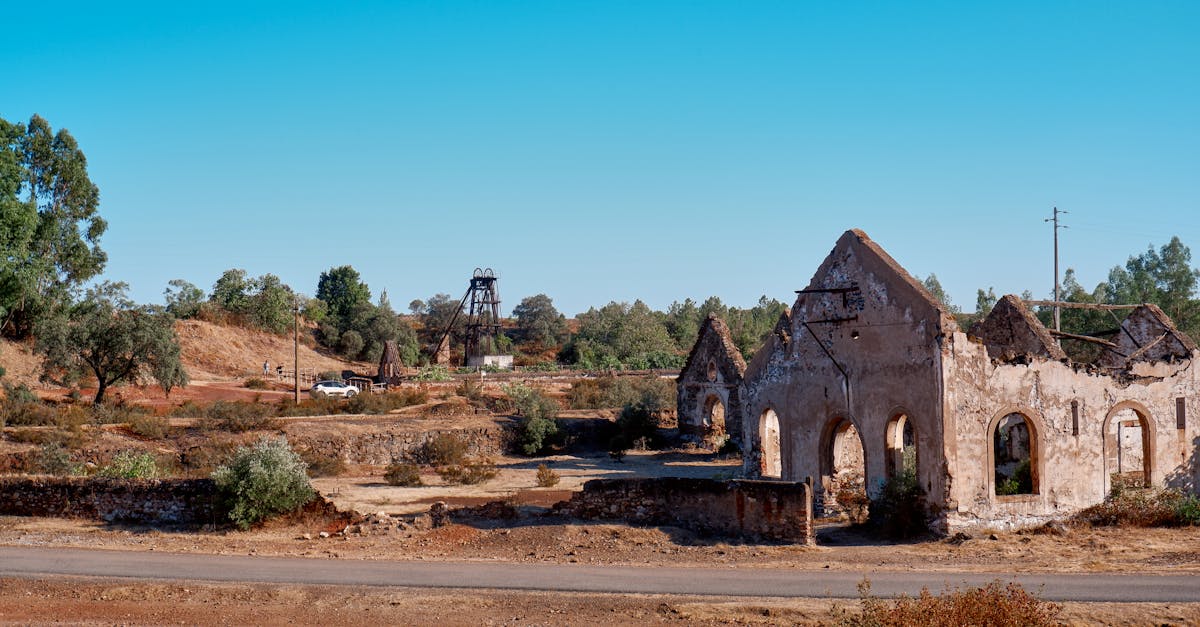 This photo was taken by Nils Rotura on Pexels.