History Buffs' Dream: Exploring California's Gold Rush Heritage
 This photo was taken by Erik Mclean on Pexels.
Welcome to the Golden State, where the past gleams as brightly as the future. For history enthusiasts, California offers more than just sun-soaked beaches and towering redwoods; it holds a treasure trove of stories from the mid-19th century that reshaped a nation. In this post, we'll embark on a journey through the rugged Sierra Nevada to uncover the haunting beauty of ghost towns, step inside world-class museums to touch the artifacts of the 1849 rush, and trace the incredible arc from chaotic boomtowns to statehood. Whether you're a seasoned historian or simply curious about the myths and realities of the Gold Rush, get ready to explore the heritage that defined an era and built modern California.
Ghost Towns: Walking Through Time in the Sierra Nevada
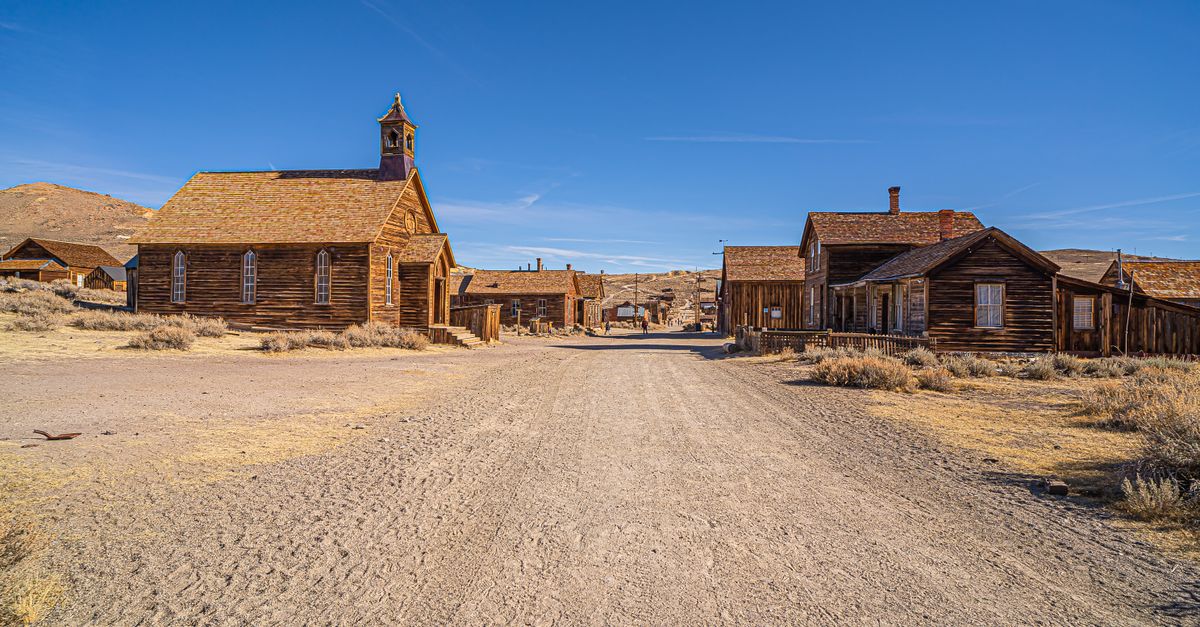
Deep within the rugged Sierra Nevada, where the whisper of pine needles often drowns out the echoes of a bygone era, lie the hauntingly beautiful remnants of California's Gold Rush ghost towns. Places like Bodie and Columbia stand as frozen moments in time, their weathered wooden facades and dusty streets offering an immersive journey back to the mid-19th century. As you wander through these silent communities, you can almost hear the clatter of horse-drawn carriages and the frantic chatter of prospectors who once flocked here seeking fortune, only to leave behind a legacy preserved in rotting timber and crumbling stone.
Exploring these abandoned settlements is more than just a hike; it is a tangible connection to the state's turbulent and transformative history. Whether you are examining the rusted tools left behind in a blacksmith shop or peering into the dark windows of long-abandoned saloons, each structure tells a unique story of ambition, hardship, and resilience. These ghost towns serve as open-air museums where history buffs can trace the rise and fall of boomtowns, providing a poignant reminder that while gold may have run dry, the spirit of exploration remains alive in the high-altitude silence of the Sierra Nevada mountains.
 This photo was taken by Leonard Suarez on Pexels.
Museums and Mines: The Artifacts of the 1849 Rush
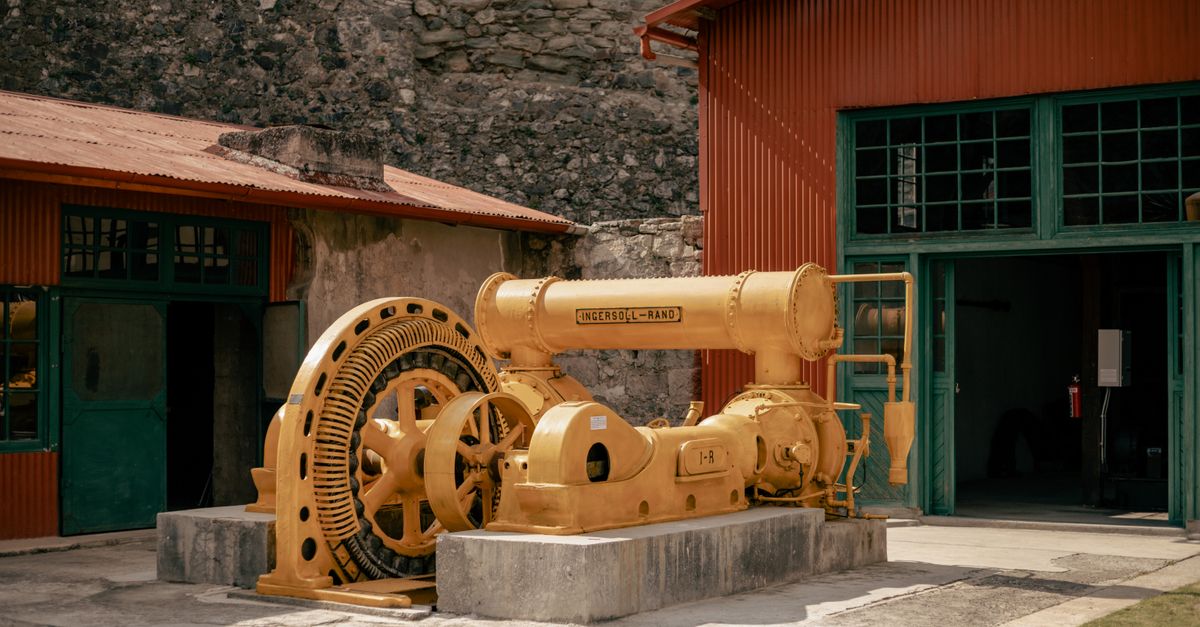
Immerse yourself in the gritty reality of the 1849 Gold Rush by visiting California's most evocative museums, where history comes alive through meticulously preserved artifacts. In San Francisco, the California State Railroad Museum and the Palace of Fine Arts offer a glimpse into the era's opulence and rapid industrialization, while smaller institutions like the Sutter's Mill Visitor Center in Coloma bring the very moment of discovery to life with original mining tools and personal diaries. These curated exhibits do more than display gold nuggets; they tell the human stories of prospectors from every corner of the globe who flocked to the Golden State, showcasing everything from battered pickaxes to elaborate jewelry that symbolizes both the dream of instant wealth and the harsh struggles of the frontier.
Beyond the museum walls, the true spirit of the rush is found in the historic mines that dot the Sierra Nevada foothills, inviting visitors to step back in time and try their hand at panning for gold just as thousands did over a century ago. Towns like Columbia State Historic Park and Marshall Gold Discovery State Historic Park have been frozen in amber, offering authentic experiences where you can walk down wooden boardwalks, explore restored saloons, and witness reenactments of daily life during the boom years. Whether you are exploring a preserved tunnel or simply holding a pan filled with river water in hopes of finding a tiny speck of yellow metal, these sites provide a tangible connection to the tumultuous era that transformed California from a quiet territory into a global powerhouse overnight.
 This photo was taken by Jonathan Fuentes on Pexels.
From Boomtowns to Statehood: California's Transformative Legacy
California's journey from a collection of rugged boomtowns to the 31st state is a testament to one of history's most dramatic transformations, ignited by the discovery of gold in 1848. What began as a quiet corner of Mexican Alta California exploded into a global frenzy, drawing over 300,000 fortune seekers from every corner of the globe in search of their fortune. These ephemeral settlements, often rising overnight with saloons and shanties, quickly evolved into bustling urban centers like San Francisco and Sacramento, laying the foundational infrastructure for modern California. The sheer speed of this metamorphosis not only reshaped the physical landscape but also created a diverse cultural mosaic that defined the state's identity long before it officially joined the Union in 1850.
The legacy of this transformative era extends far beyond the glittering nuggets found in riverbeds; it fundamentally altered the course of American expansion and cemented California's place as a land of opportunity and reinvention. As the Gold Rush faded, the wealth generated fueled rapid industrialization, agricultural innovation, and the construction of the transcontinental railroad, which linked the Pacific coast to the rest of the nation. Today, history buffs can trace these pivotal moments through preserved sites like Sutter's Mill and Old Sacramento, where the echoes of pickaxes and the spirit of ambition still resonate, offering a tangible connection to the chaotic yet visionary years that forged a state known worldwide for its resilience and boundless potential.
 This photo was taken by Robert So on Pexels.