Music and Culture: The Vibrant Arts Scene in Oakland and Berkeley
 This photo was taken by Alena Sharkova on Pexels.
Just a short ferry ride or BART trip across the bay from San Francisco lies a dynamic duo of cities that have long served as the heartbeat of California's artistic expression. Oakland and Berkeley are more than just neighboring communities; they are crucibles where history, rebellion, and innovation collide to create one of the most vibrant arts scenes in the nation. From the legendary jazz clubs that once echoed with the sounds of legends to the bold street art murals that now define entire neighborhoods, this region offers an immersive journey through music and culture. Whether you are tracing the historic soul of the Fillmore District, exploring Berkeley's enduring counterculture legacy, or diving into Oakland's modern renaissance of hip-hop and community festivals, get ready to discover a destination where every corner tells a story and every beat resonates with passion.
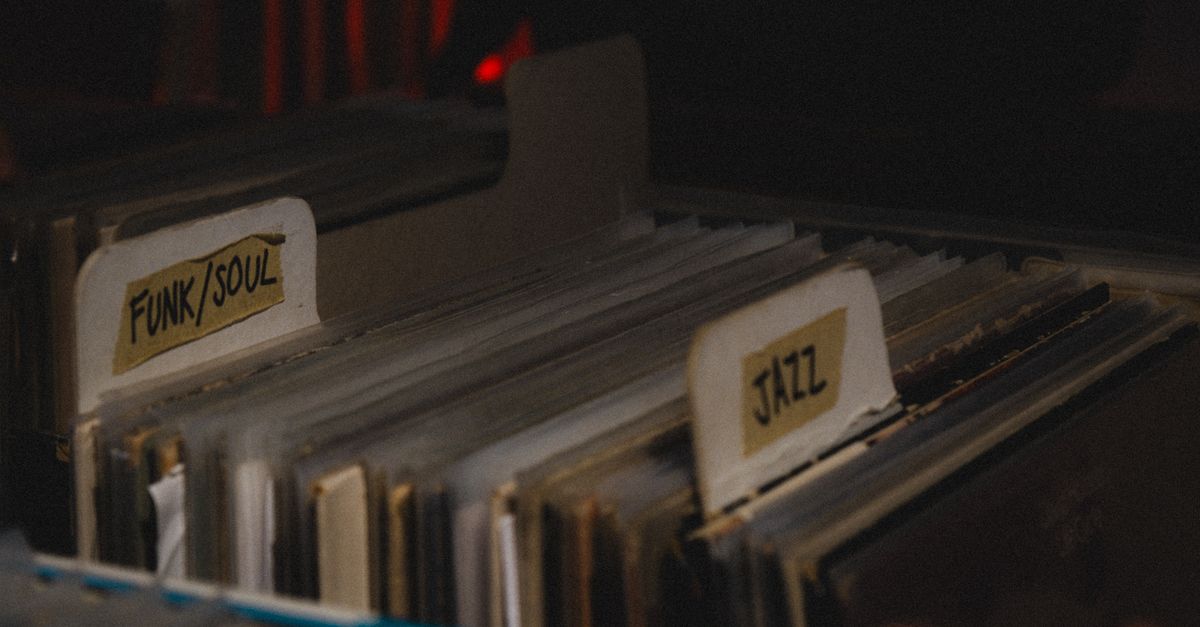
The Historic Soul of the Fillmore and Jazz Roots
Just a short ferry ride or BART journey from the Bay Area's bustling hubs lies San Francisco's Fillmore District, a neighborhood that pulses with the rhythmic heartbeat of African American history and musical innovation. Once known as "Harlem of the West," this historic enclave was the epicenter of the jazz boom in the 1940s and 50s, where legends like Louis Armstrong, Dizzy Gillespie, and Billie Holiday captivated audiences at iconic venues such as the Fillmore Auditorium. Today, while the legendary clubs have evolved, the district retains its soulful essence through preserved murals, the vibrant Fillmore Jazz Festival, and a thriving community of artists who keep the legacy of this cultural crucible alive for new generations to discover.
The spirit of these jazz roots extends beyond San Francisco, deeply influencing the broader Bay Area arts scene that defines Oakland and Berkeley's creative identity. The Fillmore's influence can be felt in the improvisational energy of Oakland's live music venues and the politically charged folk traditions that flourished in Berkeley during the civil rights era. Visitors exploring this region will find that the musical heritage is not merely a relic of the past but a living, breathing force that continues to shape local festivals, street performances, and underground scenes, creating a unique tapestry where historical reverence meets contemporary artistic expression.
 This photo was taken by Eylül Kuşdili on Pexels.
Berkeley's Counterculture Legacy and Street Art Revolution
Berkeley has long served as the spiritual epicenter of American counterculture, a legacy that began in the 1960s with the Free Speech Movement and continues to pulse through its vibrant streets today. The city's historic Telegraph Avenue remains a living museum of this rebellious spirit, where the echoes of folk legends like Joan Baez and Bob Dylan still seem to mingle with the sounds of modern indie bands playing in local cafes. This deep-rooted history of activism and artistic freedom created an environment where unconventional ideas were not just accepted but celebrated, fostering a unique community atmosphere that encourages visitors to explore the profound social movements that shaped the region's identity.
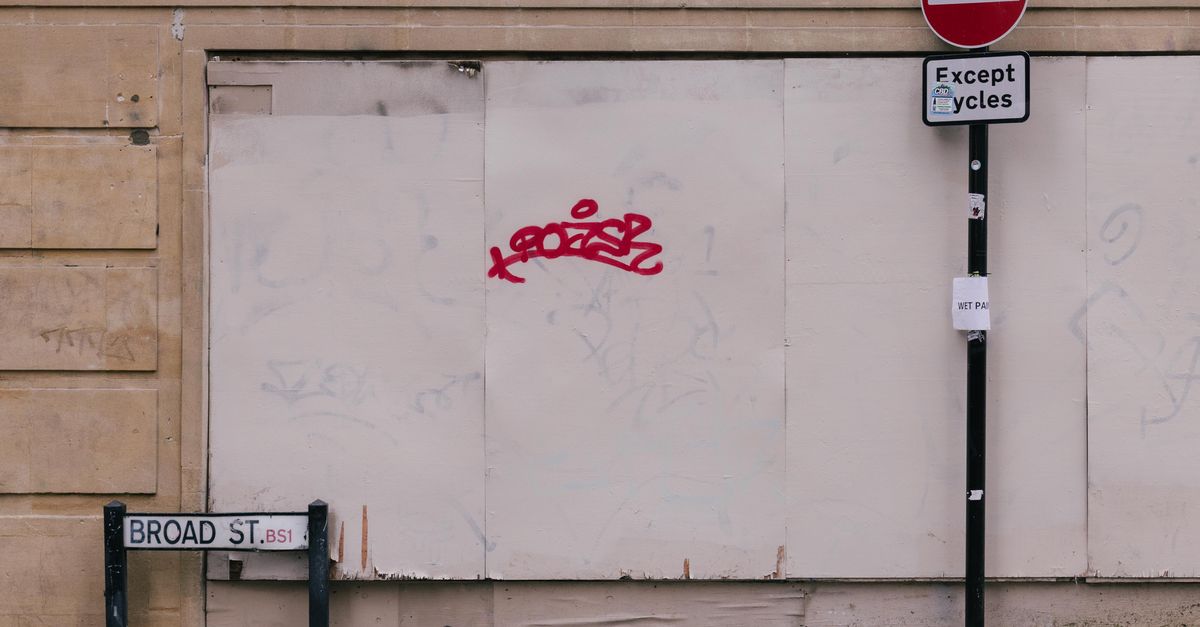
In recent decades, this spirit of rebellion has found new expression through Berkeley's thriving street art revolution, transforming the urban landscape into an open-air gallery of political commentary and creative innovation. Murals depicting themes of social justice, environmental awareness, and cultural diversity now adorn everything from warehouse walls to residential fences, turning ordinary blocks into dynamic conversations about the human condition. Unlike many cities where graffiti is strictly policed, Berkeley often embraces these ephemeral artworks as legitimate expressions of its ongoing dialogue, allowing tourists to wander through neighborhoods like West Berkeley and discover ever-changing masterpieces that reflect the city's unyielding commitment to artistic freedom and progressive values.
 This photo was taken by Ellie Burgin on Pexels.
Oakland's Modern Renaissance: Festivals, Hip-Hop, and Community Spaces
Oakland has blossomed into a cultural epicenter, driven by a modern renaissance that seamlessly blends its historic roots with cutting-edge creativity. The city's pulse is most palpable during its world-renowned festivals, such as the Oakland Jazz Festival and the annual Bay Area Black Music Festival, which celebrate the deep musical lineage of the region while spotlighting emerging hip-hop talent. From the legendary freestyle cyphers in Jack London Square to the electrifying beats at the BART stations, hip-hop is not just a genre here but a living language that tells stories of resilience and community identity. This vibrant soundscape is complemented by an explosion of street art and murals that transform ordinary walls into dynamic galleries, reflecting the diverse voices of a city constantly reinventing itself.
Beyond the stages and streets, this cultural revival is anchored by innovative community spaces that serve as hubs for collaboration and empowerment. Places like the Oakland Museum of California and the newly revitalized Lake Merritt district offer more than just exhibitions; they provide platforms for local artists, musicians, and activists to gather, share ideas, and foster social change. These inclusive environments have nurtured a unique ecosystem where traditional African American culture meets contemporary innovation, creating a safe haven for expression that resonates with both locals and visitors. Whether you are attending a spoken word poetry slam in a repurposed warehouse or exploring a pop-up market featuring handmade crafts from neighborhood artisans, Oakland's commitment to community-driven art ensures that every visitor leaves with a deeper appreciation for the soul of the East Bay.
 This photo was taken by Alexander Taranenko on Pexels.