Nightlife and Night Skies: Stargazing Spots Across the State
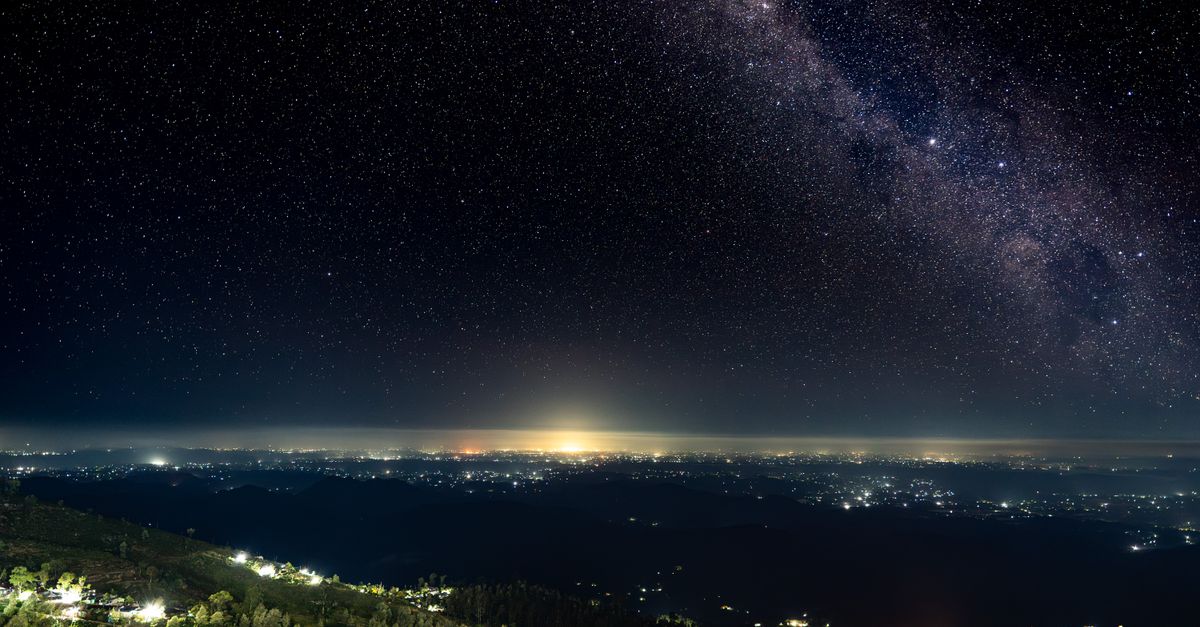 This photo was taken by Thilina Alagiyawanna on Pexels.
Welcome to the Golden State after dark, where the sun sets not on an end, but on a beginning of wonder. California is a land of incredible diversity, offering more than just golden beaches and bustling cities; it is a premier destination for those who look up. From the untouched, milky-way-drenched deserts of the Mojave to the dramatic coastal silhouettes of the Central Coast, and even within the glittering heart of our major metropolises, there is a constellation waiting to be discovered. Whether you are seeking the profound silence of Death Valley or a hidden rooftop in San Diego, this guide will illuminate the best spots to disconnect from the world below and connect with the cosmos above. Get ready to trade your streetlights for starlight as we explore the night skies across the state.
Desert Sanctuaries: The Dark Skies of Joshua Tree and Death Valley
When the sun dips below the horizon in the Mojave Desert, Joshua Tree National Park transforms into a celestial cathedral where the Milky Way stretches across the sky with breathtaking clarity. As one of California's premier International Dark Sky Parks, this rugged landscape offers minimal light pollution, allowing visitors to witness stars that have remained unseen by many for generations. Whether you are camping beneath the twisted limbs of ancient Joshua trees or hiking the hidden trails of Hidden Valley, the night sky becomes your primary companion, inviting quiet contemplation and awe. Local guides often recommend arriving well before sunset to set up your camp while there is still daylight, ensuring you are ready to witness the transition from twilight to a canvas of deep indigo and silver.
Journeying further south to Death Valley National Park reveals an even more profound darkness, earning it the prestigious designation of a Gold Tier Dark Sky Park. Here, the vast expanse of sand and salt flats creates a unique atmosphere where the absence of artificial light allows for some of the most spectacular stargazing experiences on Earth. Visitors can stand in the middle of Badwater Basin and look up to see constellations so bright they cast faint shadows on the ground, creating a surreal connection between the earth and the cosmos. For those seeking an unforgettable adventure, guided night hikes led by park rangers provide not only safety but also expert insights into the seasonal shifts of the stars, making Death Valley a true sanctuary for astronomers and dreamers alike.
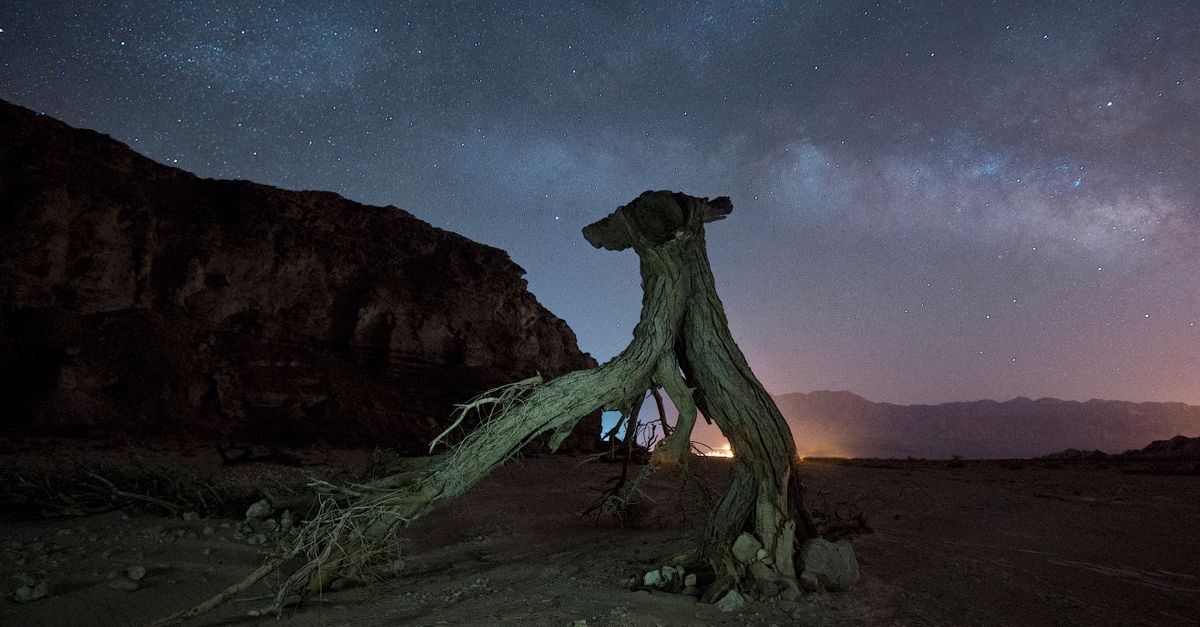 This photo was taken by omer shatz on Pexels.
Coastal Constellations: Stargazing from Big Sur to Point Reyes
From the rugged cliffs of Big Sur to the misty headlands of Point Reyes, California's central coast offers some of the most breathtaking dark sky experiences in the nation. Here, the Pacific Ocean meets the stars in a dramatic display where the Milky Way appears to spill directly into the water below. Whether you are camping along the winding Highway 1 or parking at designated pullouts near Pfeiffer Beach, the lack of light pollution creates a celestial canvas that feels infinite. Keep your eyes peeled for the iconic "Starburst" rock formation at Julia Pfeiffer Burns State Park, which frames the night sky perfectly, and remember to bring warm layers as coastal breezes can drop temperatures significantly after sunset.
Just north, Point Reyes National Seashore transforms into a sanctuary for astronomers, offering vast, open spaces far removed from the glow of San Francisco. The park's status as an International Dark Sky Park ensures minimal interference from artificial lights, making it an ideal location for spotting meteors, satellites, and deep-sky objects with the naked eye or through a telescope. Visitors often gather at the Drakes Beach overlook or the Chimney Rock trailhead to witness the aurora of the northern horizon blending with the southern constellations. For the ultimate experience, plan your visit during a new moon phase and take time to listen to the crashing waves while the silent cosmos unfolds above, creating a meditative connection between the earth and the universe.
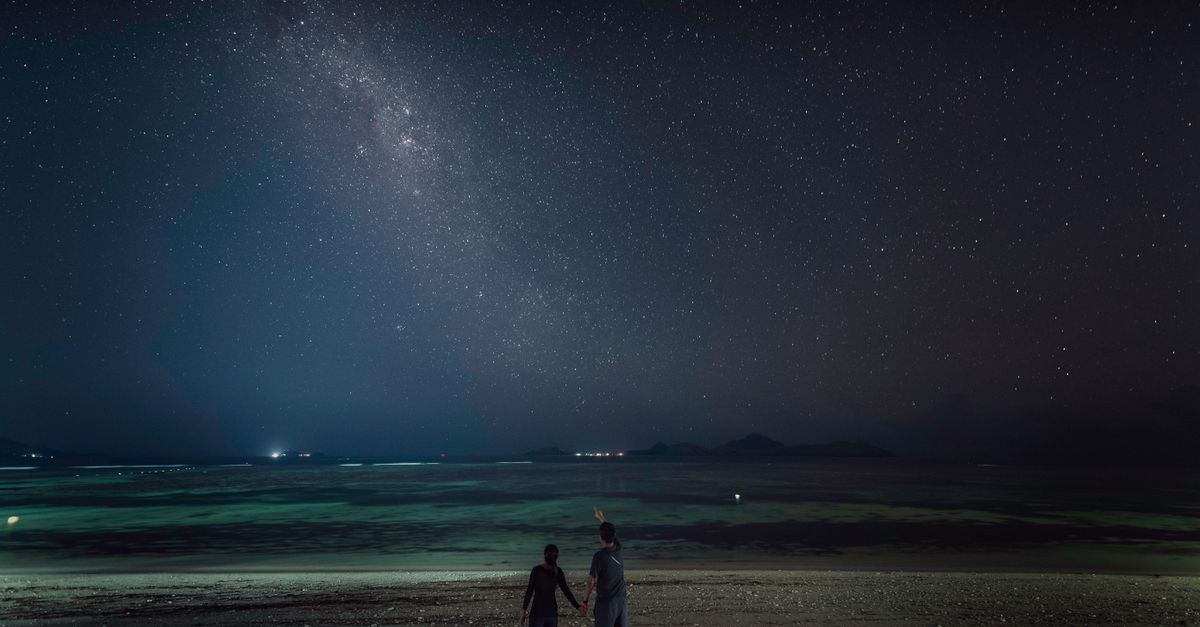 This photo was taken by Ken Cheung on Pexels.
Urban Oases: Finding Clear Views in the Heart of Los Angeles and San Diego
While Los Angeles is often synonymous with smog and city lights, hidden within its sprawling urban landscape are surprising pockets of serenity where the stars manage to break through. In Griffith Park, just minutes from the Hollywood sign, you can find elevated trails that offer a surprisingly clear view of the Milky Way against the backdrop of the downtown skyline, creating a unique juxtaposition of nature and metropolis. Similarly, the Mount Wilson Observatory, though technically outside the immediate city center, remains accessible for day trips and offers some of the clearest astronomical views in Southern California, proving that even in the heart of the entertainment capital, there are quiet corners dedicated to the cosmos.
Further south, San Diego presents an equally compelling case for urban stargazing, where the cool Pacific breezes help disperse coastal fog more effectively than many inland cities. Balboa Park, often known for its museums and gardens, transforms at night into a peaceful sanctuary where visitors can spot bright planets and constellations above the historic architecture without needing to drive hours into the desert. For those seeking a slightly higher vantage point, the peaks of Torrey Pines State Natural Reserve or the cliffs near Sunset Cliffs provide unobstructed horizons over the ocean, allowing you to witness the celestial dance above the waves while enjoying the fresh sea air, making it easy to find clarity amidst the city's vibrant energy.
 This photo was taken by Erik Mclean on Pexels.