Off-the-Beaten-Path: Discovering California's Smallest and Quirkiest Towns
 This photo was taken by Stephen Leonardi on Pexels.
When most travelers think of California, their minds immediately drift to the glittering skyline of Los Angeles, the bustling streets of San Francisco, or the sun-drenched beaches of San Diego. Yet, beyond these famous landmarks lies a treasure trove of forgotten corners and eccentric communities that tell a far more unique story of our Golden State. This journey takes you off the beaten path to discover the smallest and quirkiest towns where time seems to have stood still. From haunting ghost towns that whisper tales of the past to quaint villages guarding giant local legends, and from hidden coastal enclaves to desert oddities, prepare to explore the side of California that guidebooks often miss.
The Ghost Towns That Time Forgot
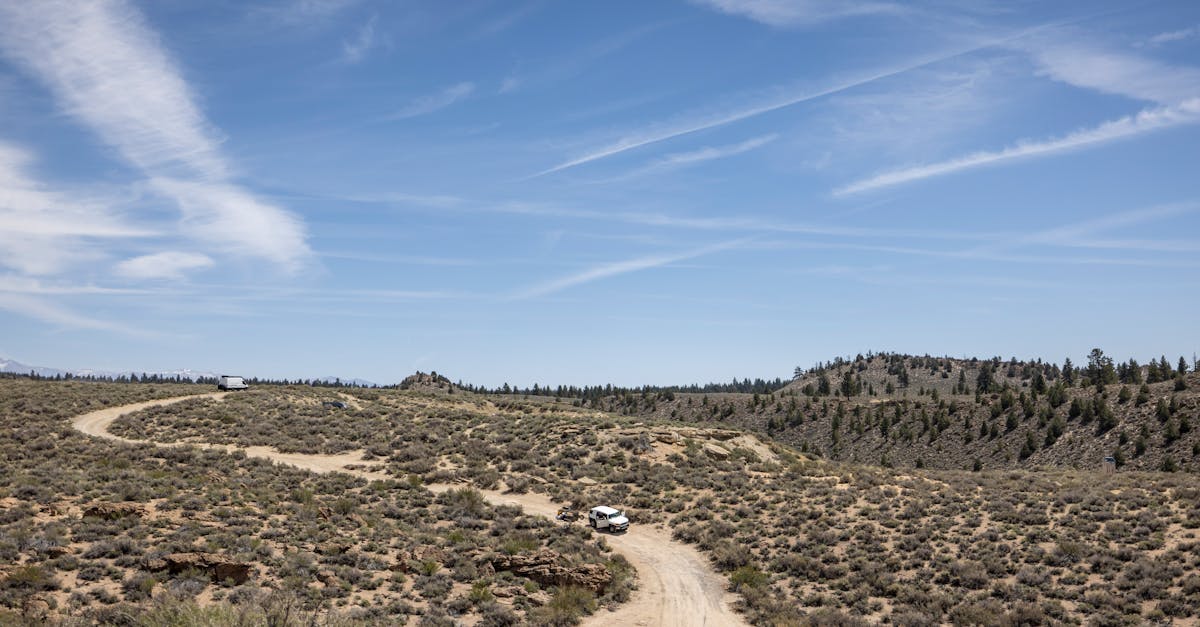
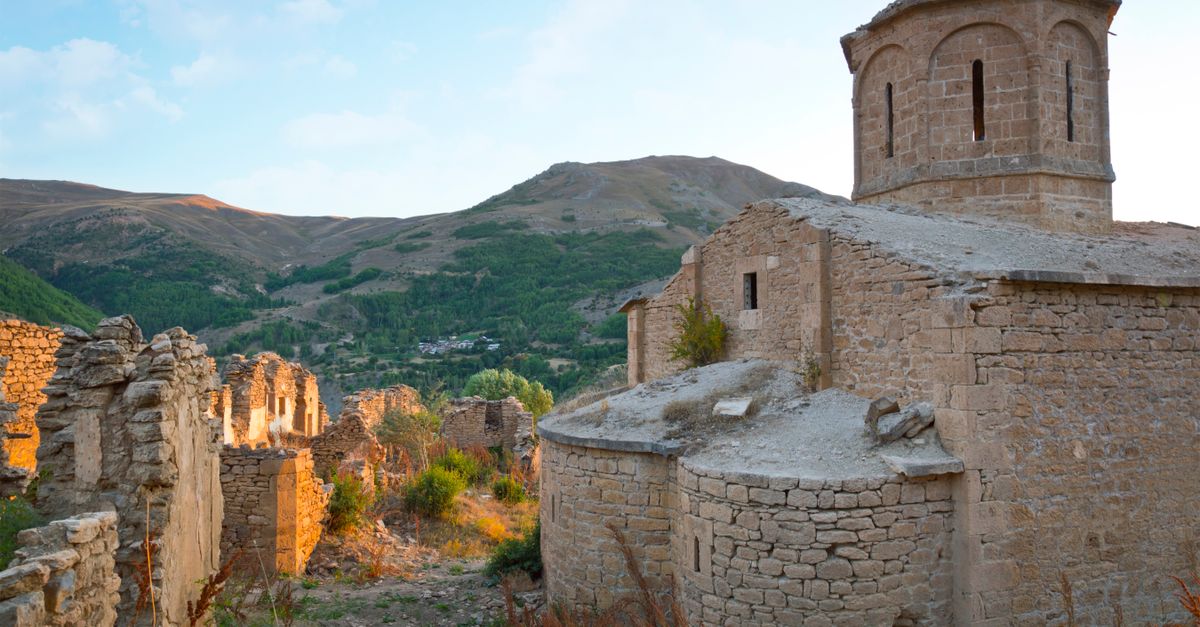
For those willing to trade the bustling crowds of Napa Valley for a slice of dusty history, California's ghost towns offer a hauntingly beautiful glimpse into the state's rugged past. These forgotten settlements, once teeming with prospectors chasing gold or silver, now stand as silent sentinels amidst the redwoods and desert scrub, their crumbling adobe walls and rusted machinery telling stories of boom-and-bust cycles that defined the 19th century. A drive down a winding dirt road might lead you to Bodie State Historic Park, where frozen-in-time wooden structures remain remarkably preserved against the elements, or to Rhyolite in the Mojave Desert, where skeletal remains of a bank and hotel still loom over the vast emptiness, inviting visitors to imagine the frantic energy that once filled these airless spaces.
Exploring these spectral communities requires a sense of adventure and respect for the fragile nature of these historical artifacts, but the reward is an unparalleled connection to California's frontier spirit. Unlike the polished attractions of major cities, these sites demand quiet observation; the only sounds are often the wind whistling through broken windows or the crunch of gravel underfoot, creating an atmosphere that feels both eerie and deeply peaceful. Whether you are tracing the footsteps of miners who struck it rich before losing everything, or simply seeking a solitary moment to reflect on the impermanence of human ambition, these off-the-beaten-path destinations provide a unique narrative thread that weaves through the Golden State's diverse landscape, proving that some of the most memorable travel experiences lie not in what thrives, but in what has been left behind.
 This photo was taken by Adem Percem on Pexels.
Quaint Villages with Giant Local Legends
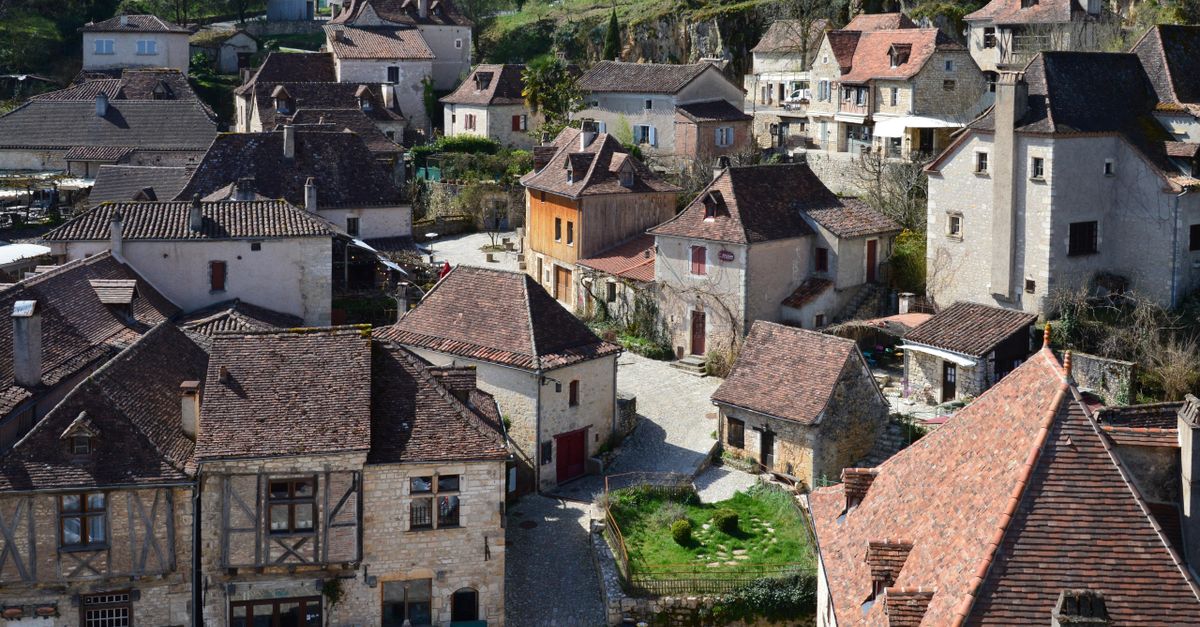
While the state's sprawling metropolises often steal the spotlight, California's hidden gems offer a magical contrast where tiny communities boast towering tales that stretch far beyond their borders. In the foggy coastal town of Fort Bragg, the legendary Glass Beach is not just a collection of sea glass but a modern myth born from decades of discarded treasures transformed by the ocean into a glittering wonderland that draws dreamers from around the world. Similarly, deep in the Sierra Nevada foothills, the sleepy hamlet of Markleeville whispers stories of gold rush ghosts and giant sequoias that seem to guard ancient secrets, inviting visitors to step off the highway and into a narrative where the smallest streets hold the biggest legends.
Exploring these diminutive settlements reveals a charming tapestry woven with folklore that feels larger than life against the backdrop of rustic Main Streets. Take the historic mining town of Bodie, where the skeletal remains of buildings stand as silent sentinels to a ghostly past, or the artsy enclave of Julian, famous not only for its apple orchards but for the towering, mythical creatures said to roam the nearby mountains during harvest moon festivals. These villages prove that you do not need a massive population to create an unforgettable atmosphere; instead, they thrive on the intimate connection between their quirky locals and the extraordinary stories that define their unique identities, making every corner turn a potential discovery of something wonderfully strange and true.
 This photo was taken by SlimMars 13 on Pexels.
Hidden Gems: Coastal and Desert Oddities
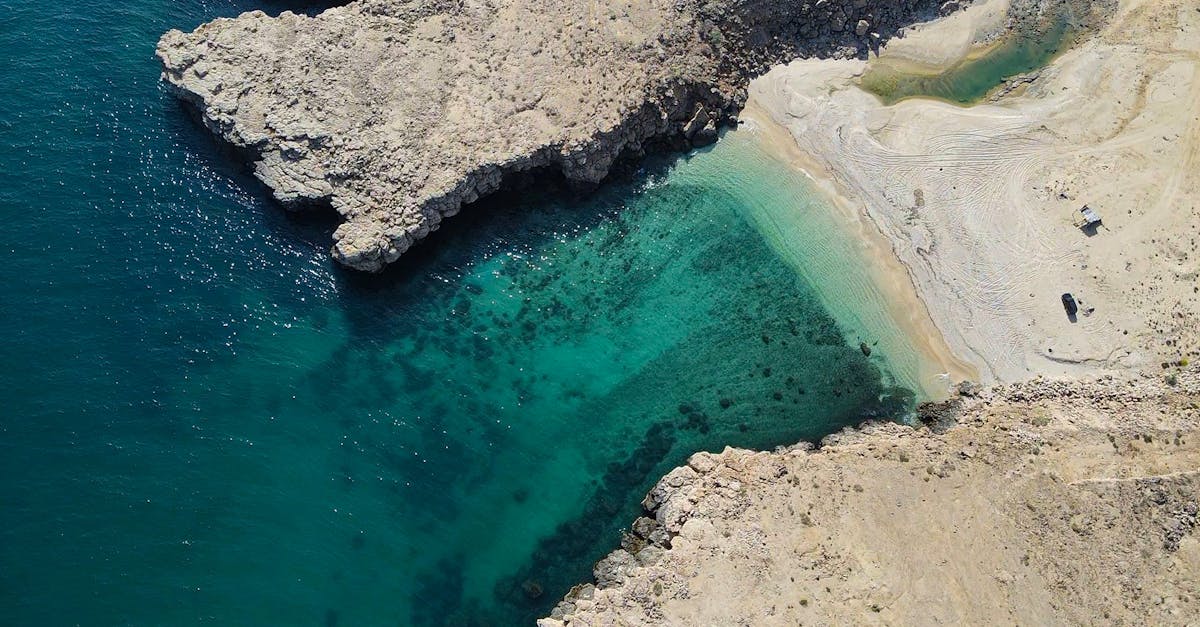
While the world flocks to the sun-drenched beaches of San Diego and the iconic piers of Santa Monica, California's coastline hides a treasure trove of eccentric small towns waiting to be discovered. Venture north to the rugged Mendocino coast to find Fort Bragg, famous not for its ocean views alone, but for the Glass Beach where centuries of discarded glass have been tumbled by waves into smooth, colorful pebbles that sparkle like jewels. Further south in the remote Salinas Valley, the town of King City offers a quirky detour with its massive "King City" sign made entirely of neon tubing, standing as a vibrant beacon for travelers seeking a slice of surreal Americana away from the tourist crowds.
In stark contrast to the misty coast, the vast expanse of the Mojave Desert holds its own peculiar secrets, far removed from the glitz of Las Vegas just across the border. Travelers can explore the ghostly remains of Rhyolite, a once-thriving mining boomtown that now stands as a hauntingly beautiful skeleton of gold rush ambition, complete with crumbling buildings and a rusted water tower silhouetted against the desert sky. For a touch of modern oddity, stop at the town of Lucerne Valley to visit the "World's Largest Cactus," a whimsical roadside attraction that perfectly encapsulates the state's unique blend of natural grandeur and human imagination, proving that even in the most desolate landscapes, California loves to surprise.
 This photo was taken by Djimmer Koster on Pexels.