Off the Beaten Path: Exploring California's Remote Northern Coast
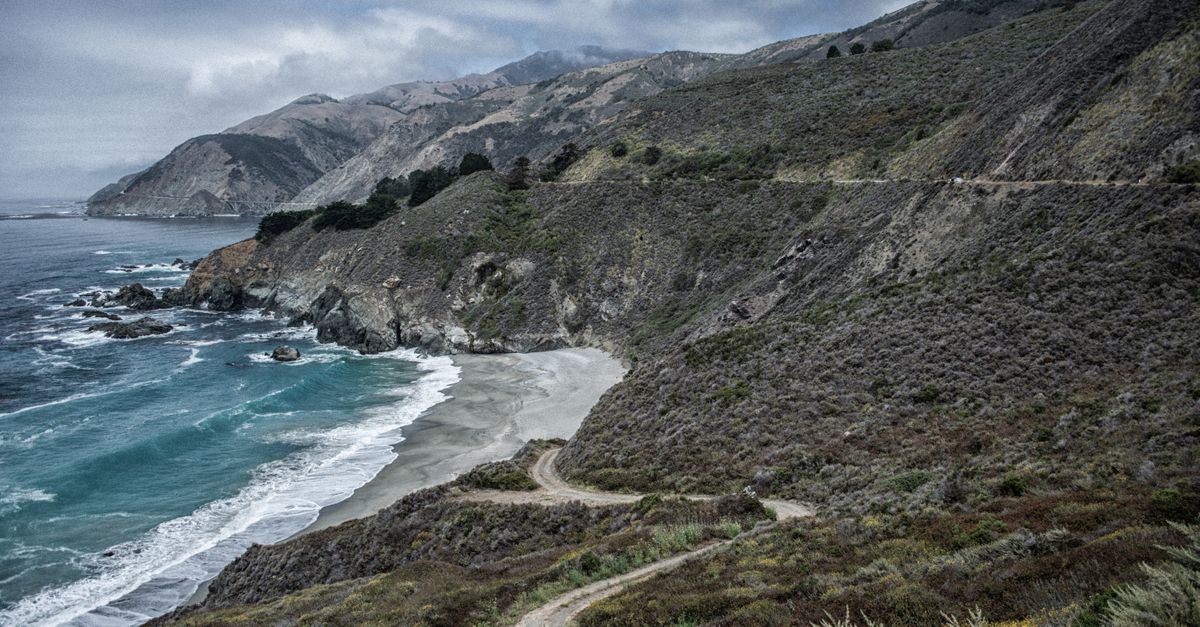 This photo was taken by William Marschall on Pexels.
While the sun-drenched beaches of Southern California and the bustling wine country often steal the spotlight, there exists a rugged, untamed wilderness along California's northernmost shoreline that feels like a world apart. This is the Lost Coast, a stretch of coastline where paved roads end and nature reigns supreme, offering travelers an escape from the crowds into a realm of crashing surf, mist-shrouded redwoods, and timeless isolation. Whether you are seeking the thrill of trekking through untouched terrain, discovering hidden coves accessible only by foot, or simply wandering through ancient groves in quiet, historic towns, this remote region promises an adventure unlike any other. Join us as we venture off the beaten path to uncover the wild heart of the North Coast.
The Wild Heart of the Lost Coast
Stretching between Fort Bragg and Shelter Cove, the Lost Coast remains one of California's most elusive treasures, a rugged stretch of shoreline where the King Range mountains plunge dramatically into the churning Pacific Ocean. Unlike the manicured beaches of Southern California or the bustling boardwalks of the North Shore, this section of coast is accessible only by foot or boat, creating an untouched wilderness that feels suspended in time. As you trek along the sandy tidal flats of Mattole Beach or navigate the rocky coves near Black Sand Beach, you are greeted by the raw power of nature, with towering redwoods clinging to steep slopes and mist rolling off the water to obscure the horizon, offering a profound sense of solitude for those willing to venture off the paved roads.
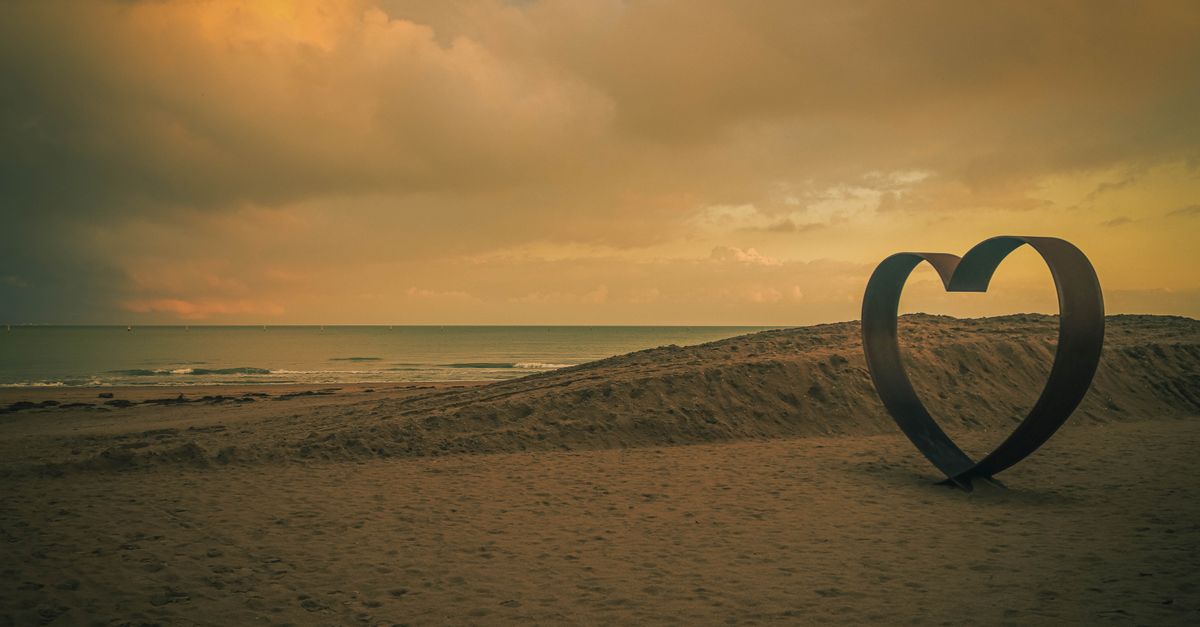
The true allure of the Lost Coast lies in its challenging yet rewarding hiking trails, particularly the iconic 25-mile Lost Coast Trail which winds through diverse ecosystems ranging from kelp forests teeming with sea life to dense temperate rainforests inhabited by black-tailed deer and mountain lions. Because there are no roads to drive on, visitors must carefully plan their journey around the tides, turning a simple walk into an adventurous expedition that demands respect for the elements and a spirit of exploration. Whether you are watching sunsets paint the sky in hues of violet and gold over the endless dunes or listening to the rhythmic crash of waves against ancient basalt cliffs, the Wild Heart of the Lost Coast offers an authentic, unfiltered glimpse into California's untamed northern frontier that few tourists ever get to experience.
 This photo was taken by Lorenza Magnaghi on Pexels.
Hidden Coves and Secret Beaches of Humboldt County
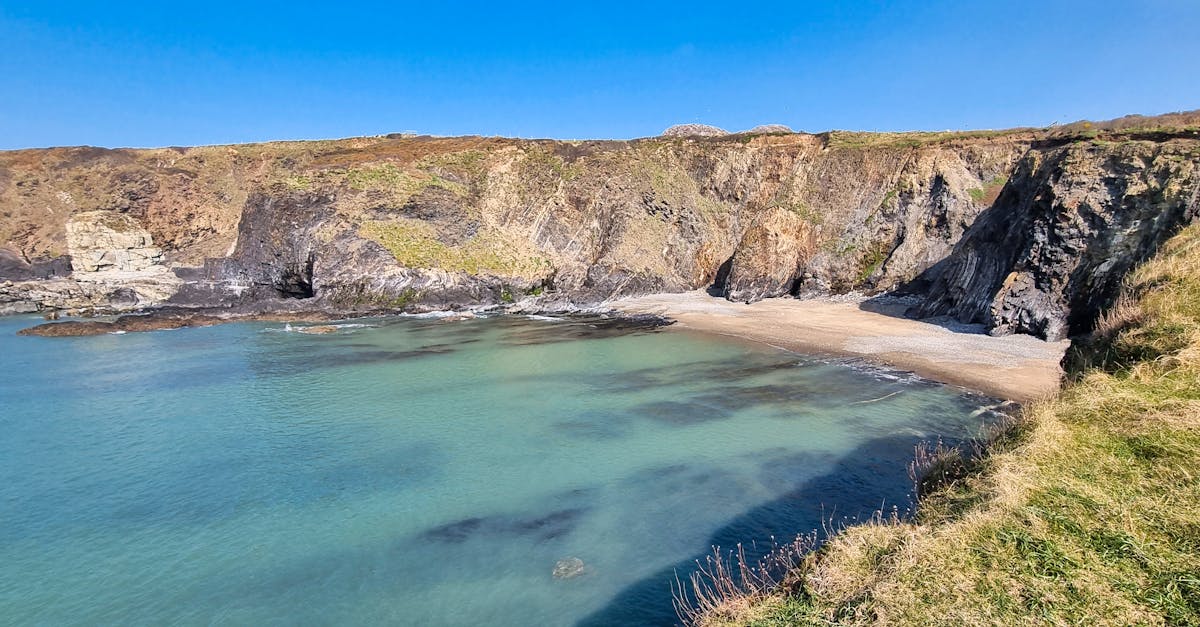
While the bustling tourist hubs of Eureka and Arcata draw the crowds, Humboldt County's true magic lies in its secluded coves where the redwoods meet the churning Pacific in a symphony of mist and surf. Venture north along Highway 101 to discover spots like Trinidad State Beach's lesser-known northern stretches or the rugged shoreline near Samoa Dunes, where you can hike through ancient forest trails that end at pristine sands untouched by mass tourism. These hidden gems offer a profound sense of solitude, inviting visitors to listen to the crash of waves against basalt cliffs while surrounded by towering Sitka spruce and ferns that seem to whisper secrets of the old growth forest.
For the adventurous soul willing to navigate narrow dirt paths or tide pools that shift with the lunar cycle, the county offers secret beaches like those found within the Triangle Bay Wilderness Area or the quiet shores of Shelter Cove beyond the main town center. Here, the experience is less about sunbathing and more about immersion in raw, untamed nature; keep an eye out for sea otters playing in kelp forests and gray whales migrating just offshore during their seasonal journey. Remember to practice strict Leave No Trace principles on these fragile ecosystems, ensuring that the wild beauty of Northern California's remote coast remains a sanctuary for both wildlife and future explorers seeking escape from the ordinary.
 This photo was taken by John Disandolo on Pexels.
Secluded Towns and Ancient Redwood Groves
As you venture north of the bustling tourist hubs, the rugged coastline reveals a tapestry of secluded towns where time seems to slow down. Places like Ferndale, with its meticulously preserved Victorian architecture, and the tiny hamlet of Shelter Cove offer an authentic retreat far removed from the crowds. Here, locals greet visitors with genuine warmth, and the rhythm of life is dictated by the tides rather than traffic lights. You can wander through quiet main streets lined with antique shops and cozy cafes, or sit on a porch watching fog roll over the Pacific, finding solace in the silence that only these hidden gems provide.
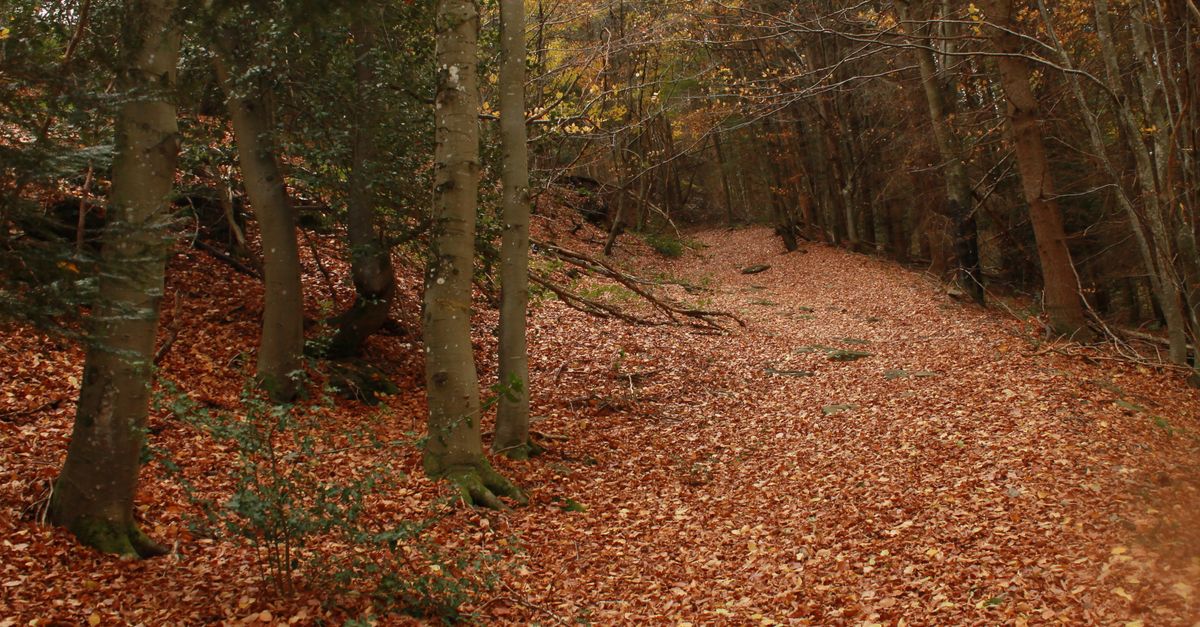
Nestled just inland from these coastal enclaves lie ancient redwood groves that feel untouched by the modern world. In places like Prairie Creek Redwoods State Park or the lesser-known Jedediah Smith Redwoods State Park, towering giants stretch hundreds of feet toward the sky, their moss-draped branches filtering sunlight into ethereal beams. Walking beneath this cathedral-like canopy, the air is thick with the scent of damp earth and pine, creating a serene atmosphere that invites deep reflection. These remote forests are not just scenic backdrops but living museums of natural history, offering hikers a chance to connect with nature in its most majestic and unspoiled form.
 This photo was taken by Aziz El Gasmi on Pexels.