Redwood Giants: Exploring the Ancient Forests of Northern California
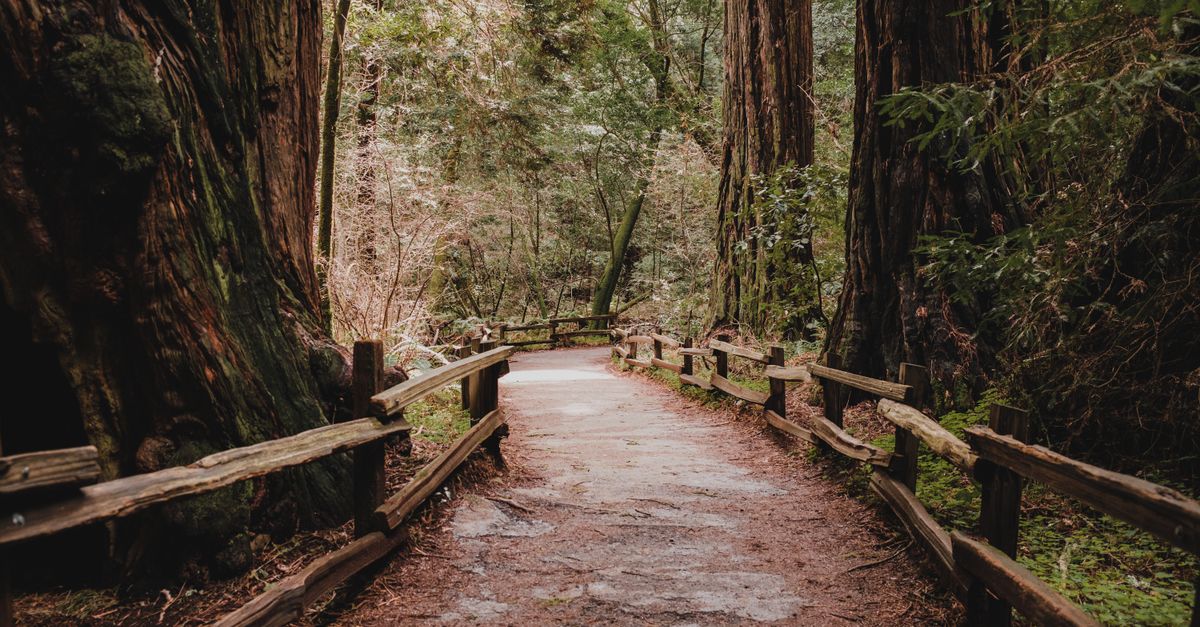 This photo was taken by Airam Dato-on on Pexels.
Welcome to the mist-shrouded heart of Northern California, where time seems to stand still beneath a canopy that has watched empires rise and fall. As your local guide, I invite you to step into a world of awe-inspiring scale and profound silence in our very own "Redwood Giants: Exploring the Ancient Forests of Northern California." Here, towering sentinels stretch toward the sky, their moss-draped branches filtering sunlight into ethereal beams that dance upon the forest floor. In this journey, we will walk among the titans at Redwood National and State Parks, uncover hidden trails and secret spots tucked away in Humboldt County, and delve into the remarkable ecology that makes these ancient trees so special. Get ready to breathe in the fresh, pine-scented air and experience the magic of Earth's tallest trees.
Walking Among the Titans: A Guide to Redwood National and State Parks
Stepping into the mist-shrouded realm of Redwood National and State Parks is like entering a living cathedral where time seems to stand still. Towering coast redwoods, some reaching heights of over 350 feet and standing for millennia, create a canopy so dense that sunlight filters through in ethereal shafts, illuminating ferns and mosses that carpet the forest floor. Whether you are hiking the iconic Lady Bird Johnson Grove or wandering the secluded trails of Prairie Creek, the sheer scale of these ancient giants evokes a profound sense of humility and wonder, reminding visitors of nature's enduring power and beauty.
Beyond the towering trees, this unique biosphere offers a diverse tapestry of ecosystems that stretch from rugged Pacific coastline to lush river valleys. As you explore the park system, keep an eye out for Roosevelt elk grazing in open meadows, river otters playing in the clear waters of Elk River, and perhaps even a rare spotted owl hidden within the old-growth groves. With over 40 miles of hiking trails ranging from easy family strolls to challenging backcountry treks, there is no shortage of ways to immerse yourself in this protected wilderness, making it an unforgettable destination for anyone seeking connection with the wild heart of Northern California.
 This photo was taken by Annie Japaud on Pexels.
Hidden Trails and Secret Spots in Humboldt County
While the majestic Avenue of the Giants draws crowds, the true magic of Humboldt County lies in its lesser-known pathways that wind through emerald canopies untouched by mass tourism. Venture off the beaten path to explore the dense undergrowth of the Jedediah Smith Redwoods State Park, where ancient coast redwoods stand as silent sentinels in a landscape so pristine it feels like stepping back in time. Hidden trails such as the Elk Prairie Loop offer intimate encounters with towering giants whose roots are draped in thick moss, providing a serene solitude that is increasingly rare in our modern world. These secret spots invite you to disconnect from the digital noise and reconnect with the earth, listening to the rustle of ferns and the distant call of a spotted owl echoing through the valley.
For those willing to hike a bit further, the secluded beaches along the Lost Coast reveal another layer of Humboldt's wild beauty, where rugged cliffs meet crashing waves without the interference of development. The trail to Black Sands Beach or the remote coves near Cape Mendocino offers a dramatic contrast to the quiet forest, presenting a raw, untamed coastline where seals bask on rocky outcrops and sea lions lounge on tide-pool ledges. Exploring these hidden gems requires a sense of adventure and respect for nature, rewarding intrepid travelers with panoramic views and the feeling of being among the very few people who have discovered this slice of paradise. Whether you are seeking the whispering silence of the deep woods or the thunderous power of the Pacific, Humboldt's secret spots promise an unforgettable journey into the heart of Northern California's wilderness.
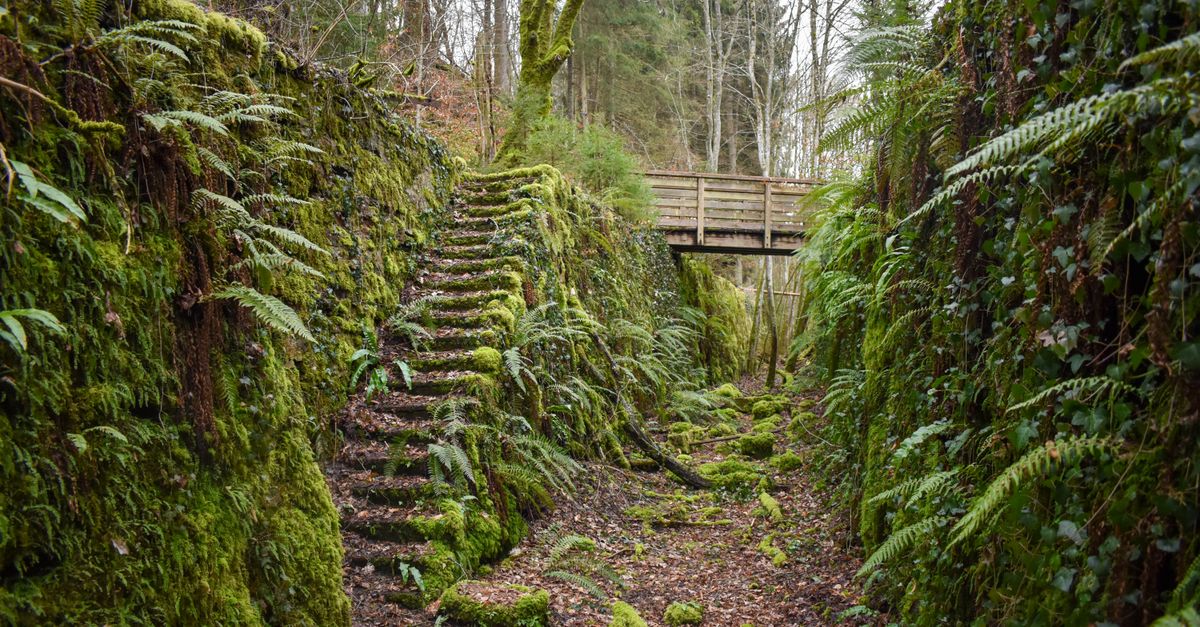 This photo was taken by Saurabh Deshpande on Pexels.
The Ecology of Giants: What Makes These Ancient Trees So Special
The towering redwoods of Northern California, including the majestic coast redwood and the giant sequoia, are biological marvels that have thrived for over 150 million years. What truly sets these giants apart is their unique ecological adaptation to a fog-dependent ecosystem; during the dry summer months, they rely on "horizontal precipitation," where dense coastal fog condenses on their needle-like leaves and drips down to nourish their shallow root systems. This intricate water-harvesting mechanism allows them to reach heights exceeding 380 feet while maintaining immense girth, creating a multi-layered forest canopy that supports a distinct microclimate teeming with ferns, mosses, and specialized wildlife found nowhere else on Earth.
Beyond their sheer size, these ancient trees possess an incredible resilience forged through centuries of environmental challenges. Their thick, fibrous bark is rich in tannins, making it naturally fire-resistant and allowing them to survive wildfires that would incinerate other species, often emerging from flames with only superficial scorch marks. Furthermore, many of these individuals reproduce asexually through burls, which can sprout new trunks if the main stem is damaged, ensuring the genetic lineage persists even after catastrophic events. Walking among these living monuments offers more than just awe-inspiring views; it provides a tangible connection to a prehistoric world that has silently witnessed the rise and fall of civilizations while standing as a testament to nature's enduring power.
 This photo was taken by Erik Mclean on Pexels.