Seasonal Splendor: When to Visit California for Fall Foliage and Wildflowers
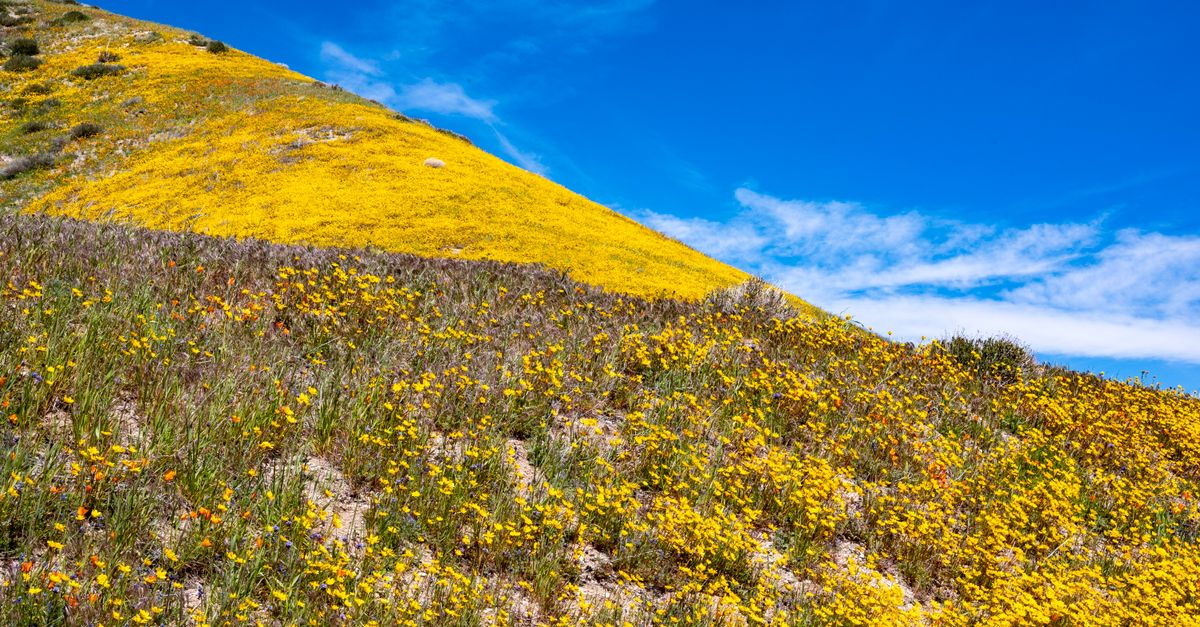 This photo was taken by Joseph Russo on Pexels.
Welcome to the Golden State, a land where the seasons paint a canvas as diverse as its landscapes. While many travelers flock to California for its year-round sunshine and pristine beaches, there is a magical time of year when the state transforms into a riot of color that defies expectation. From the golden hues of coastal grasslands meeting the Pacific breeze to the surprising desert blooms that erupt after autumn rains, and finally to the fiery reds and oranges of the High Sierra, fall in California offers a spectacle unlike any other. Join us as we explore the perfect timing to witness this seasonal splendor across our state's most breathtaking regions.
Golden Coast: Where Fall Meets the Ocean
 This photo was taken by Erik Mclean on Pexels.
Desert Bloom: Unexpected Wildflower Spectacles in Autumn
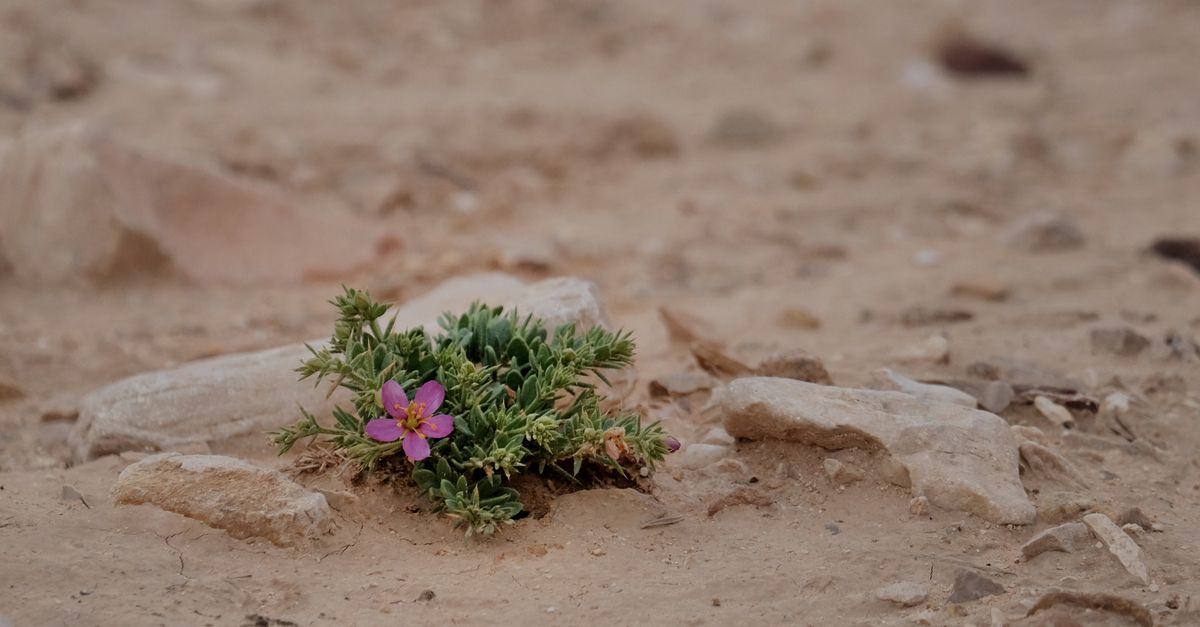
While most travelers associate California's deserts with arid expanses and golden heat, the autumn months often bring a miraculous transformation known as the "superbloom." Following rare winter rains, the vast salt flats of Death Valley and the sandy dunes of Anza-Borrego State Park erupt in a kaleidoscope of goldfields, popcorn flowers, and desert paintbrush. This fleeting phenomenon turns the stark, monochromatic landscape into a vibrant tapestry that seems to defy nature's usual rules, offering photographers and hikers an otherworldly experience where the ground itself appears to be blooming against all odds.
Visiting during this unexpected season requires a bit of planning, as the blooms can last only a few weeks before the desert sun dries them out again. Early November is often the prime time to witness these spectacular displays, particularly in areas like the Carrizo Plain National Monument or along the scenic drives through the Mojave Desert. Beyond the visual splendor, the cooler autumn temperatures make it the ideal time for outdoor exploration, allowing you to trek through fields of color without the oppressive summer heat, creating a serene and magical backdrop that showcases the incredible resilience and beauty of California's diverse ecosystems.
 This photo was taken by Thắng-Nhật Trần on Pexels.
High Sierra Hues: Tracking the Color Shift at Altitude
As you ascend from the sun-drenched valleys into the rugged High Sierra, the landscape undergoes a dramatic chromatic transformation that defies the flat palette of lower elevations. While the foothills may still cling to lingering summer greens or early autumn golds, the higher altitudes around 8,000 feet begin their rapid shift toward fiery crimson and burnt orange hues, often triggered by cooler nights and shorter days as early as late September. This vertical gradient creates a breathtaking mosaic where jagged granite peaks provide a stark, grey backdrop for forests of Jeffrey pine and whitebark fir that ignite in shades of russet and tawny yellow, offering photographers a unique opportunity to capture the interplay of light and color across multiple seasons simultaneously.
The timing of this high-altitude spectacle is fleeting and highly dependent on the year's snowfall patterns, typically peaking between mid-October and early November before the first heavy storms blanket the trails in pristine white. Unlike the predictable blooms of wildflowers in spring, the fall foliage here is a race against time, with hikers needing to monitor weather forecasts closely to catch the brief window when the aspens at Mount Whitney or the groves near Tioga Pass are at their most vibrant. For those willing to brave the crisp mountain air, this seasonal splendor offers an ethereal experience where the thin atmosphere amplifies the saturation of colors, making every sunrise over the Sierra Nevada range a living canvas of nature's most spectacular autumnal display.
 This photo was taken by Jean-Paul Wettstein on Pexels.