Solitude by the Sea: Exploring California's Remote Northern Coast
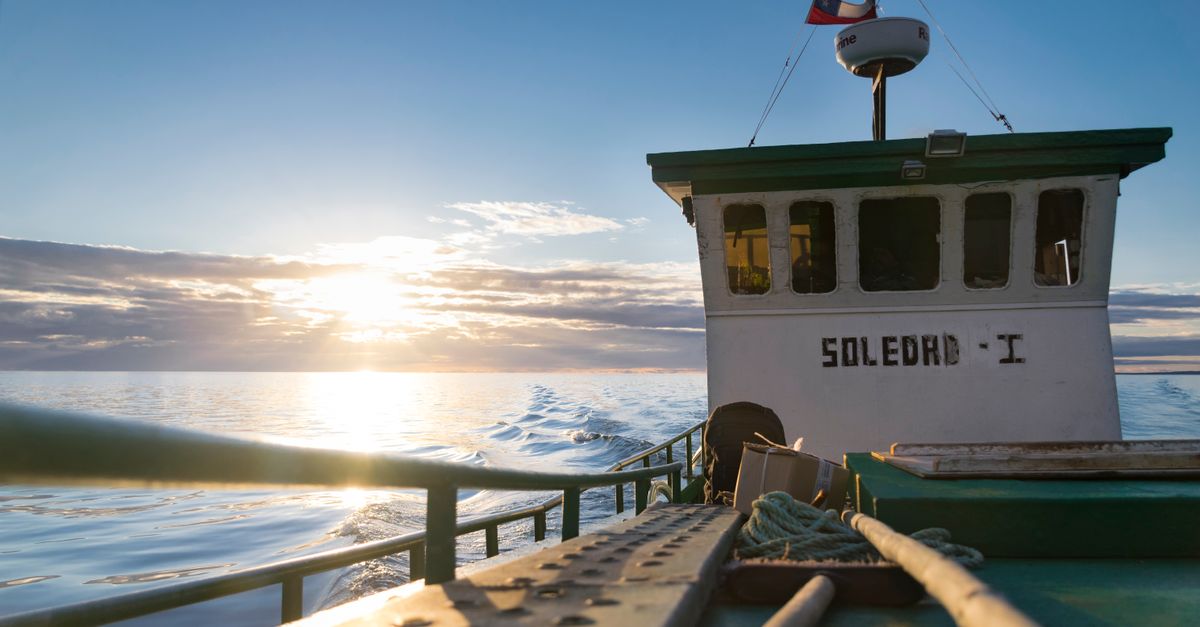 This photo was taken by Diego Gonzalez on Pexels.
Escape the bustling crowds and embrace the raw, untamed beauty of California's farthest north, where the Pacific Ocean meets ancient redwoods in a symphony of solitude. This journey takes you beyond the well-trodden paths to discover a rugged coastline that feels timeless and untouched by modern haste. From the mysterious coves of the Lost Coast to the misty trails winding through towering giants and the ethereal light of dawn breaking over fog-draped bluffs, this guide invites you to reconnect with nature in its most profound form. Prepare to immerse yourself in a world where silence is loud and every horizon offers a new story waiting to be told.
Hidden Gems of the Lost Coast
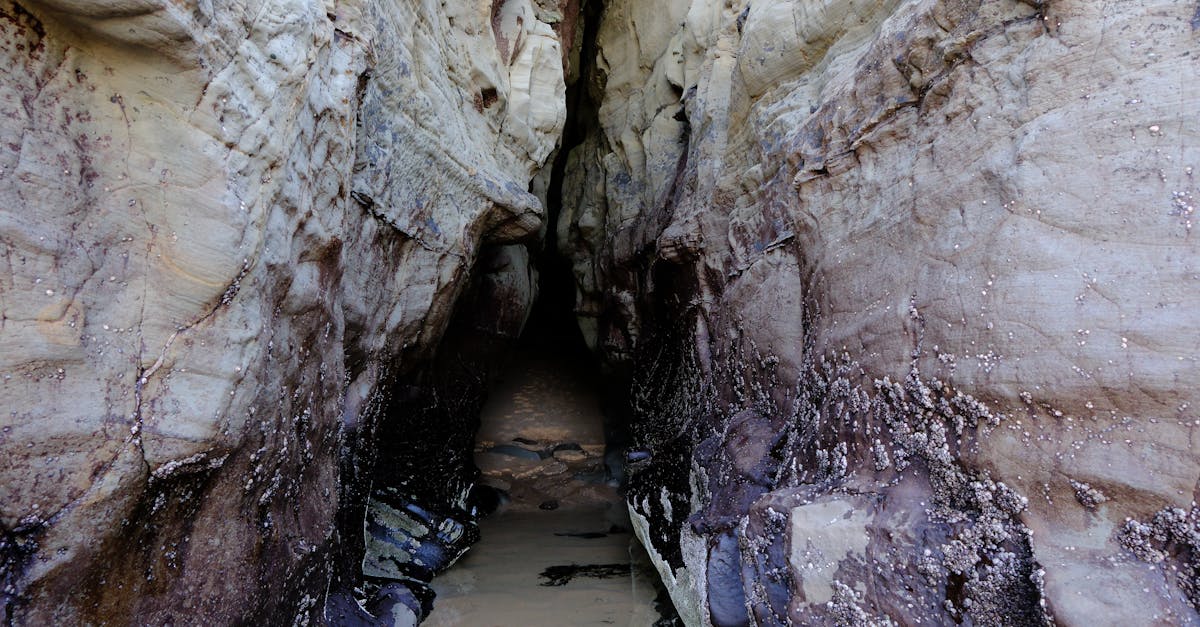
While the bustling crowds flock to Napa and San Diego, the Lost Coast offers a raw, untamed escape where the Pacific Ocean crashes against jagged cliffs without a single road in sight. This remote stretch of shoreline, located between Ferndale and Shelter Cove, is accessible only by foot or kayak, creating a sanctuary for those seeking true solitude. As you traverse the rugged trails along Mattole Bay or the sands of Black Sands Beach, you will find yourself immersed in a landscape that feels frozen in time, where misty fogs roll over ancient redwoods and tide pools teem with life long after the tourists have left. The silence here is profound, broken only by the rhythmic roar of waves and the calls of seabirds soaring overhead.
Exploring this hidden gem requires preparation and respect for nature, as there are no facilities or cell service to rely on, but the rewards are unparalleled. Hikers often stumble upon secluded coves perfect for a quiet lunch or watch sunsets paint the horizon in hues of violet and gold, completely free from the glare of flash photography or the hum of traffic. Whether you are tracking the elusive sea otters bobbing in the kelp forests or simply sitting on driftwood listening to the wind, the Lost Coast provides an authentic connection to California's wild side that few travelers ever experience. It is a place where the journey itself becomes the destination, inviting you to slow down and breathe in the salty air of one of America's last great wilderness coastlines.
 This photo was taken by Walter Coppola on Pexels.
Wildlife Encounters Along the Redwood Trail
While the towering redwoods of the Northern Coast often steal the spotlight, the true magic of this remote stretch lies in the dynamic interplay between ancient forests and the untamed ocean. As you trek along the secluded trails that wind through mist-draped canyons, keep a keen eye on the forest floor where Roosevelt elk graze peacefully among ferns, their antlers occasionally catching the dappled sunlight filtering through the canopy. These gentle giants are surprisingly common here, offering a serene encounter that feels worlds away from the bustling crowds found further south. The silence of the woods is rarely absolute, however; it is frequently punctuated by the soft rustling of black-tailed deer or the distant call of a spotted owl, reminding visitors that they are merely guests in a thriving, primordial ecosystem.
The coastal edge of the Redwood Trail transforms into a premier vantage point for marine life enthusiasts, particularly during the migration seasons when gray whales breach against the backdrop of rugged sea stacks. Hikers often find themselves pausing mid-stride to watch seals lounging on rocky outcrops or otters playfully floating in the kelp forests just offshore. In spring and summer, the air may fill with the cries of thousands of migrating seabirds, including puffins and shearwaters, diving for fish in the nutrient-rich waters below. These encounters provide a profound sense of connection to nature's raw power, reinforcing why this isolated corner of California remains one of the last true wildernesses where wildlife roams free, undisturbed by the noise of modern civilization.
 This photo was taken by Owen Lee on Pexels.
Sunrise Over the Foggy Bluffs
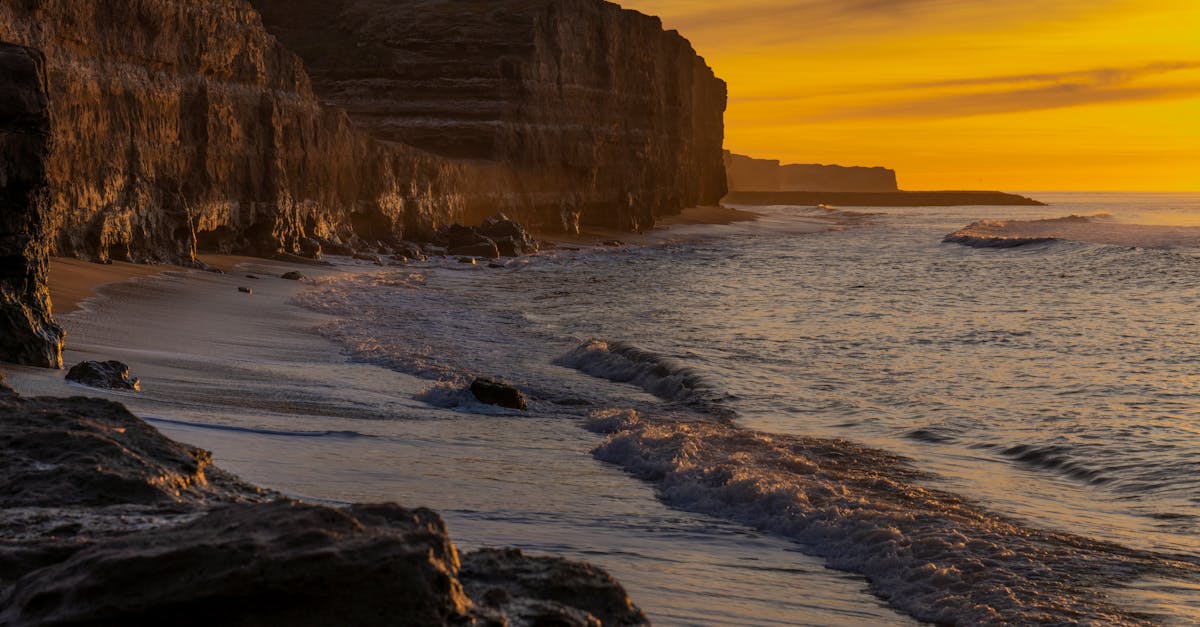
As the sun begins to crest over the Pacific, the remote northern coast of California transforms into a realm of ethereal beauty where the boundary between sky and sea dissolves in a thick, rolling blanket of fog. Hiking along the rugged bluffs of places like Prairie Creek Redwoods State Park or the lesser-traveled stretches near Trinidad reveals a world hushed by mist, where the only sounds are the rhythmic crash of waves against granite and the distant call of seabirds breaking through the silence. This early morning solitude offers a rare opportunity to witness nature's raw power without the distractions of crowds, allowing visitors to feel truly small yet deeply connected to the ancient rhythms of the land.
Gradually, golden rays pierce through the gray veil, illuminating the towering redwoods that cling precariously to the cliff edges and casting long, dramatic shadows across the damp forest floor. The interplay of light and shadow creates a dynamic canvas, turning the foggy bluffs into a living painting that shifts with every passing minute. For the intrepid traveler willing to wake before dawn, this fleeting moment provides an unforgettable perspective on why California's hidden coastline remains one of the most pristine and spiritually grounding destinations in the state, inviting you to pause, breathe in the salty air, and simply be present in the quiet majesty of the wild.
 This photo was taken by Martin.que on Pexels.