Stargazing Under the Stars: Best Spots for Night Sky Viewing
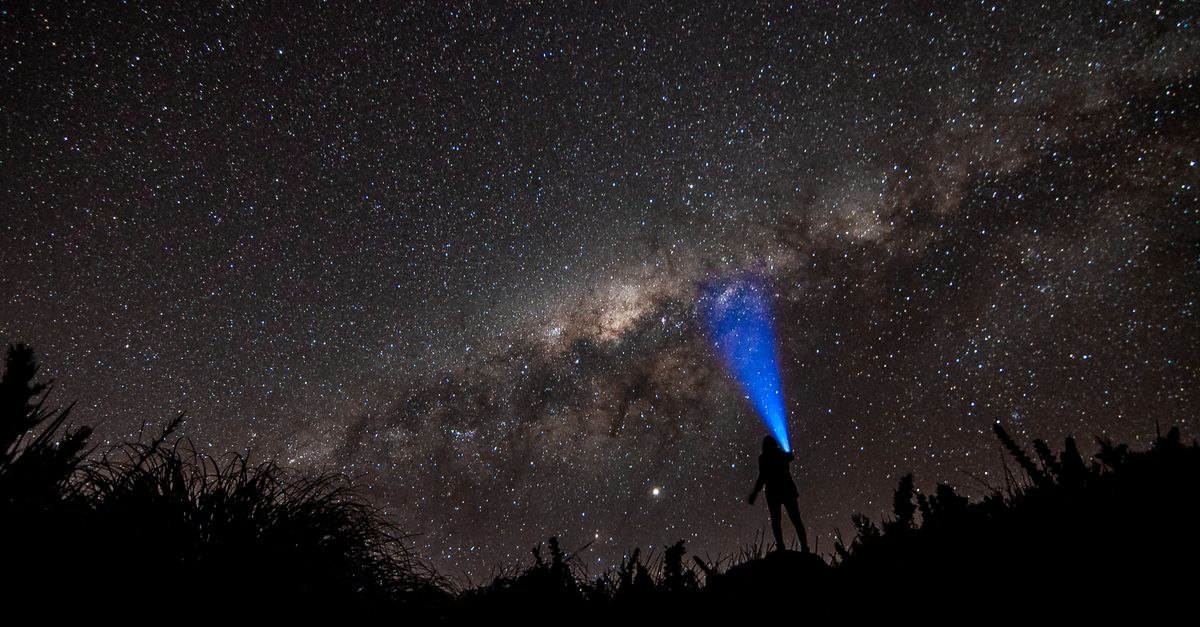 This photo was taken by Marcio Msm on Pexels.
Welcome to the Golden State, where the sun sets not just on a day well spent, but on a canvas of infinite possibilities. While California is famous for its golden beaches and bustling cities, one of our most magical experiences awaits after dusk: the night sky itself. From the otherworldly landscapes of the Mojave Desert to the misty cliffs of the Pacific Coast, and up into the crisp air of the Sierra Nevada, our state offers some of the darkest skies in North America.
In this guide, we'll journey through the desert wonders of Joshua Tree and Death Valley, find coastal calm under the stars at Big Sur and Point Reyes, and discover high-altitude magic in Sequoia and Yosemite National Parks. Whether you are an aspiring astronomer or simply looking for a romantic evening away from city lights, pack your blankets and let's explore the best spots for stargazing in California.
Desert Wonders: Joshua Tree and Death Valley
For an otherworldly experience that feels like stepping onto another planet, head to Joshua Tree National Park, where the twisted silhouettes of ancient Joshua trees create a surreal backdrop against the velvet night. This UNESCO World Biosphere Reserve offers some of the darkest skies in Southern California, making it a premier destination for astrophotographers and stargazers alike. As you set up your camp under the sprawling expanse of the Milky Way, the contrast between the rugged desert floor and the infinite cosmos creates a profound sense of scale and wonder, inviting you to lose yourself in the quiet majesty of the high desert.
If you seek the ultimate isolation and the deepest darkness available in the continental United States, Death Valley National Park is unmatched, offering vast stretches of sky unobscured by light pollution from any major city. Known as one of the darkest places on Earth, its remote location allows visitors to witness celestial phenomena with stunning clarity, from the vibrant band of the Milky Way to the occasional meteor shower. Whether you are gazing from the salt flats or the dunes of Mesquite Flat, the sheer magnitude of the star-filled canopy combined with the eerie silence of the valley provides a humbling reminder of our place in the universe, making it a bucket-list destination for anyone passionate about the night sky.
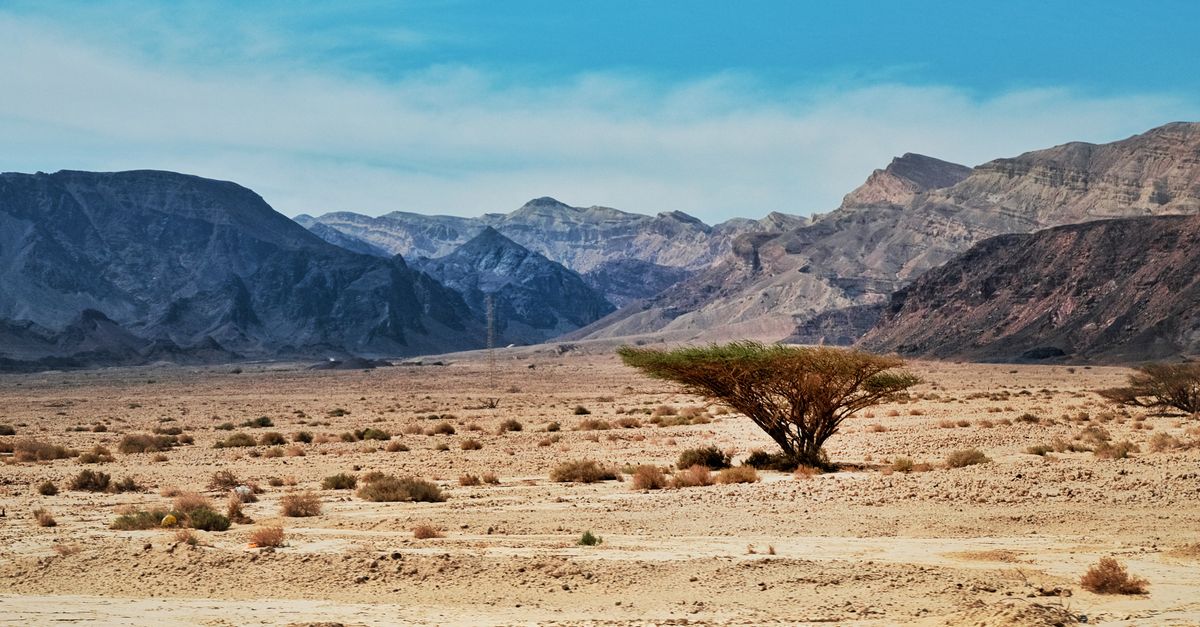 This photo was taken by Thắng-Nhật Trần on Pexels.
Coastal Calm: Big Sur and Point Reyes
When the sun dips below the Pacific horizon, Big Sur transforms into a celestial cathedral where the Milky Way stretches like a river of diamonds across an unobstructed canvas. This rugged stretch of coastline offers some of the darkest skies in California, far removed from the light pollution of urban centers, making it an ideal sanctuary for astrophotographers and dreamers alike. As you settle onto the rocky shores or park at designated pull-offs along Highway 1, the rhythmic crash of waves provides a soothing soundtrack to the silent grandeur above, allowing you to spot Jupiter's moons or catch a fleeting meteor shower with absolute clarity.
Journeying north to Point Reyes National Seashore reveals another world-class destination for night sky enthusiasts, where the dramatic cliffs meet the ocean under a blanket of pristine darkness. The area's strict light preservation policies ensure that the night remains truly dark, offering unparalleled views of constellations that have guided sailors for centuries. Whether you are camping on the windswept beaches or exploring the quiet trails of the headlands, the combination of fresh sea air and the vast, star-filled expanse creates a meditative experience that perfectly encapsulates the magic of stargazing in Northern California.
 This photo was taken by Erik Mclean on Pexels.
High Altitude Magic: Sequoia and Yosemite
While California's coastal highways offer dramatic sunsets, the true celestial theater unfolds at high elevations where the air is thin and the light pollution is virtually non-existent. Sequoia National Park and Yosemite Valley provide some of the darkest skies in the contiguous United States, transforming the night into a breathtaking canvas of brilliance. In these ancient forests and granite canyons, the Milky Way arches overhead with such clarity that individual stars seem close enough to touch, creating an immersive experience that feels almost otherworldly. The silence of the high altitude amplifies the sense of wonder, allowing visitors to gaze upon constellations invisible from city lights while surrounded by towering giants like General Sherman or the majestic Half Dome silhouetted against the starry expanse.
For the ultimate stargazing adventure, timing your visit during new moon phases enhances the visibility of deep-sky objects, revealing faint nebulae and galaxies that are otherwise washed out by ambient light. Many campgrounds within both parks, such as Upper Pines in Yosemite or the Lodgepole area in Sequoia, offer designated dark sky zones perfect for setting up telescopes or simply lying back on a sleeping pad. Beyond the visual spectacle, the crisp mountain air often brings a unique stillness that encourages reflection and connection with nature. Whether you are tracking satellites crossing the sky or waiting for a meteor shower to illuminate the valley floor, these high-altitude sanctuaries offer a profound reminder of our place in the universe, making them indispensable stops for any astronomy enthusiast exploring the Golden State.
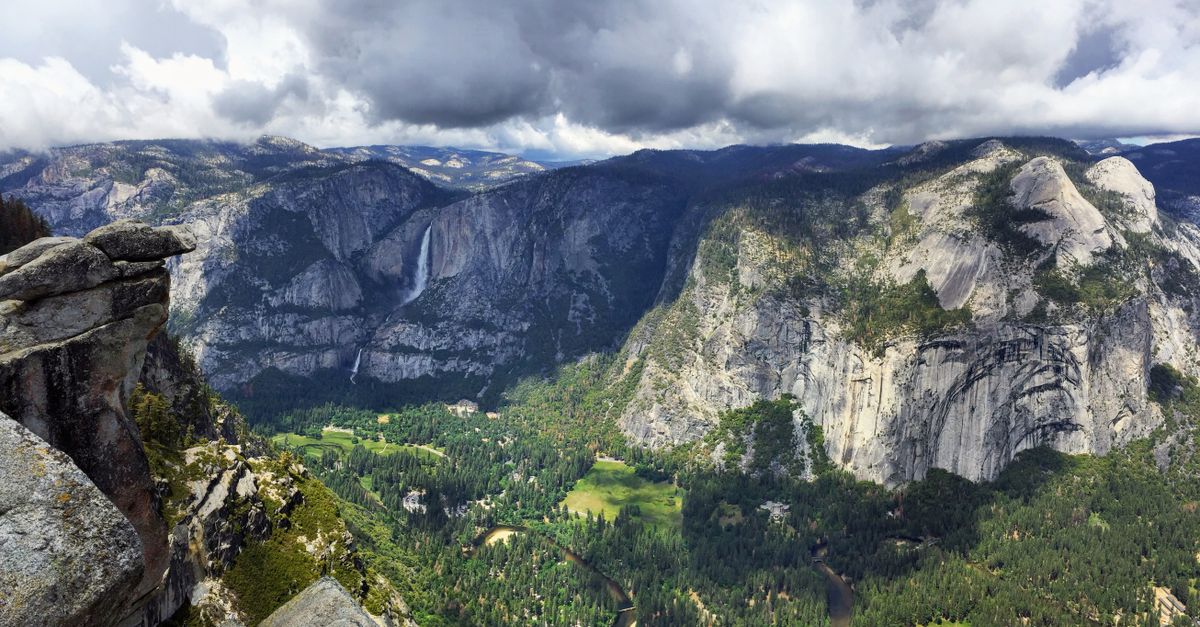 This photo was taken by gali on Pexels.