Stargazing in California: Best Locations for Night Sky Viewing
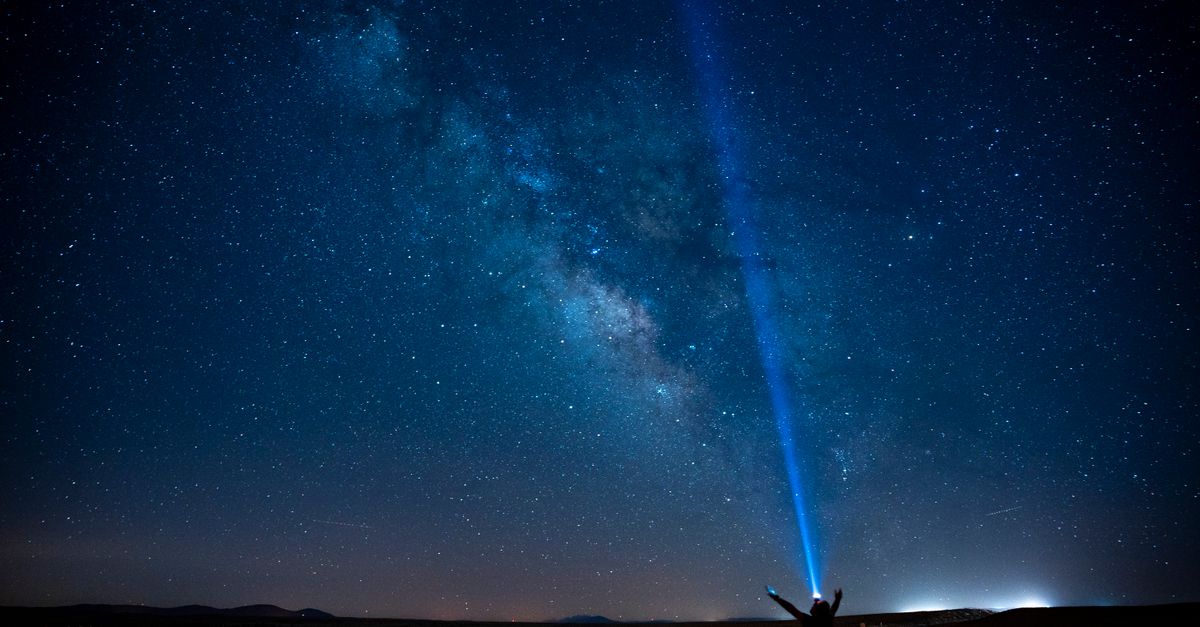 This photo was taken by Emre Mavi on Pexels.
Under the vast, star-studded canvas of California, the night sky transforms from a simple backdrop into a breathtaking spectacle that rivals any natural wonder on Earth. From the ancient, silent dunes of the Mojave to the mist-kissed cliffs of the Pacific coast and the crisp air of our high mountain ranges, the Golden State offers some of the clearest views in the world. Whether you are seeking the otherworldly silence of a desert sanctuary or the dramatic contrast of stars over ocean waves, we have curated the ultimate guide to help you escape light pollution and reconnect with the cosmos. Join us as we explore the best locations for stargazing across our diverse landscapes.
Desert Sanctuaries: Joshua Tree and Death Valley
For those seeking an otherworldly celestial experience, Joshua Tree National Park offers a surreal landscape where ancient rock formations and twisted junipers frame the cosmos in dramatic silhouette. Designated as an International Dark Sky Park, this desert sanctuary minimizes light pollution to such an extent that the Milky Way appears as a luminous river stretching across the entire vault of the night. Visitors often set up camp near Hidden Valley or Cottonwood Spring, where the silence is profound and the stars seem close enough to touch, creating a perfect backdrop for astrophotography and quiet contemplation under the vast, unobstructed sky.
Just beyond the park's borders lies Death Valley, home to one of the darkest skies on Earth, where the combination of high elevation and extreme isolation creates unparalleled viewing conditions. As the lowest, hottest, driest, and dustiest place in North America, its remote location ensures that artificial lights are virtually non-existent, allowing even the faintest galaxies to shine with breathtaking clarity. Whether you are gazing from the depths of Badwater Basin or the rugged heights of Telescope Peak, the sheer scale of the starfield here transforms the act of stargazing into a humbling reminder of our small place within the universe, making it a must-visit destination for serious sky watchers.
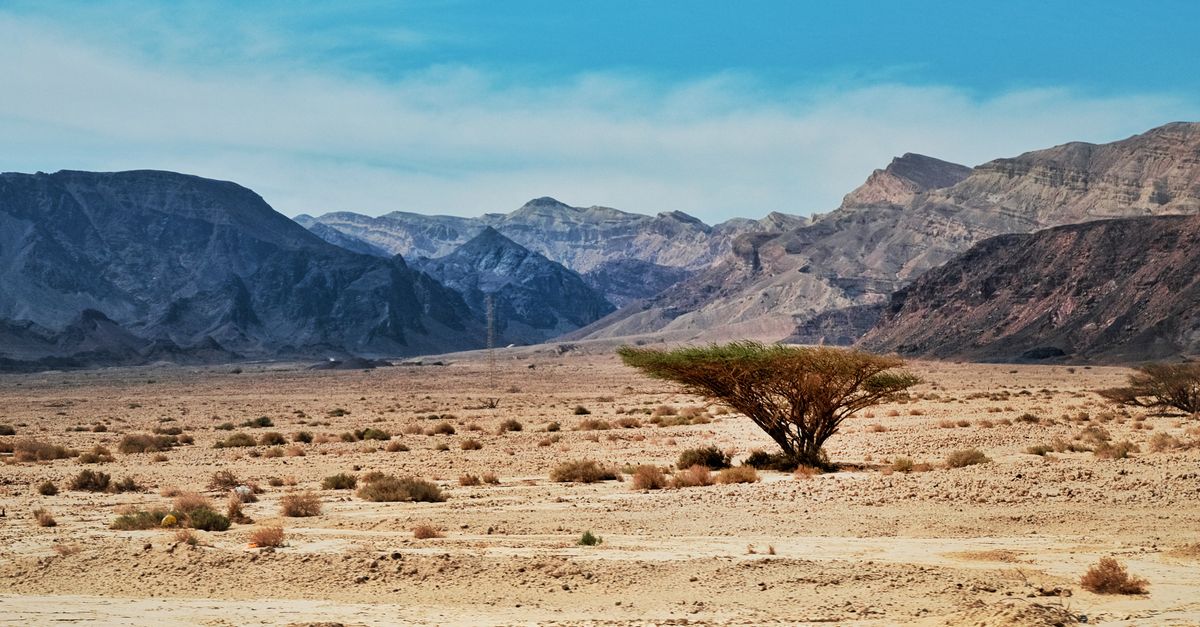 This photo was taken by Thắng-Nhật Trần on Pexels.
Coastal Clarity: Big Sur and the Channel Islands
Coastal Clarity: Big Sur and the Channel Islands
For those seeking a celestial symphony against a dramatic backdrop, Big Sur offers an unparalleled stargazing experience where the rugged Pacific coastline meets the dark sky. Located along Highway 1, this stretch of land benefits from minimal light pollution, allowing the Milky Way to arch brilliantly over the ocean's edge. Visitors can find serene spots at McWay Falls or the Julia Pfeiffer Burns State Park, where the rhythmic crashing of waves below provides a soothing soundtrack to the silent majesty of the stars above. The unique microclimate often creates a crisp, clear atmosphere that enhances visibility, making it one of the premier locations in California for capturing long-exposure astrophotography.
Further south, the Channel Islands National Park presents another world-class destination, offering isolation that is hard to match on the mainland. Accessible only by boat or plane, these islands are designated as an International Dark Sky Park, ensuring that the night sky remains untouched by artificial glow. On Santa Cruz or Anacapa Island, you can witness constellations with a clarity that feels almost tangible, far removed from the urban sprawl of Los Angeles. Whether you are kayaking under a starlit sea or camping on a secluded beach, the combination of marine fog clearing away to reveal a diamond-dusted sky makes the Channel Islands a truly magical retreat for astronomy enthusiasts.
 This photo was taken by Erik Mclean on Pexels.
High Altitude Magic: Yosemite and Mount Palomar
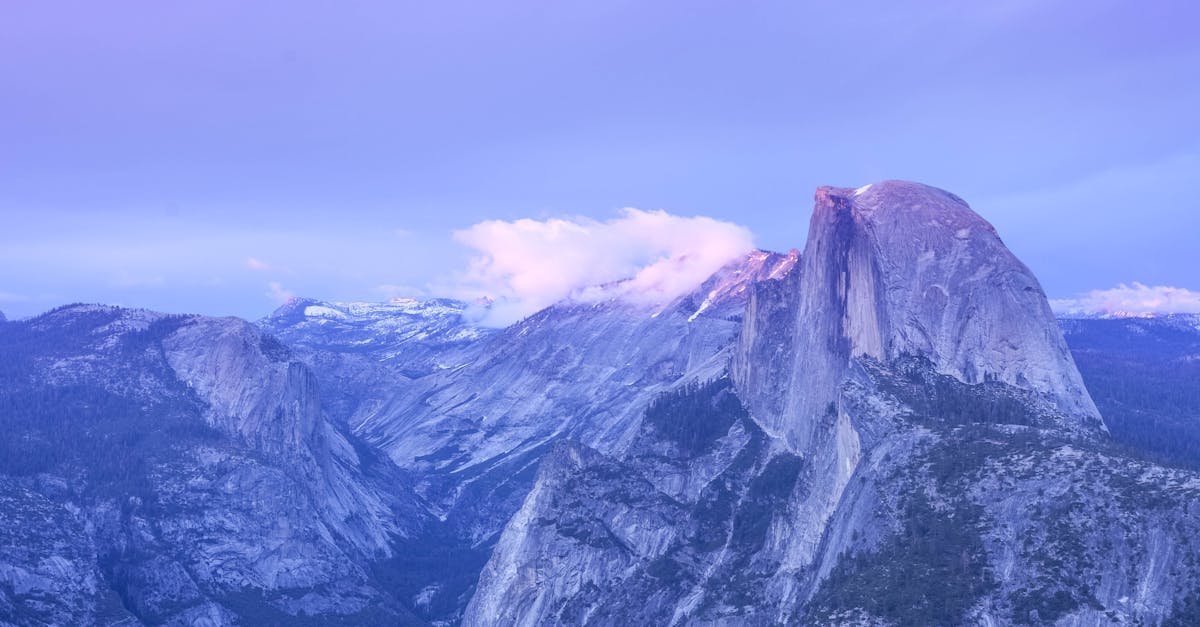 This photo was taken by James Donovan on Pexels.