Stargazing in the High Sierra: Where to Go in California
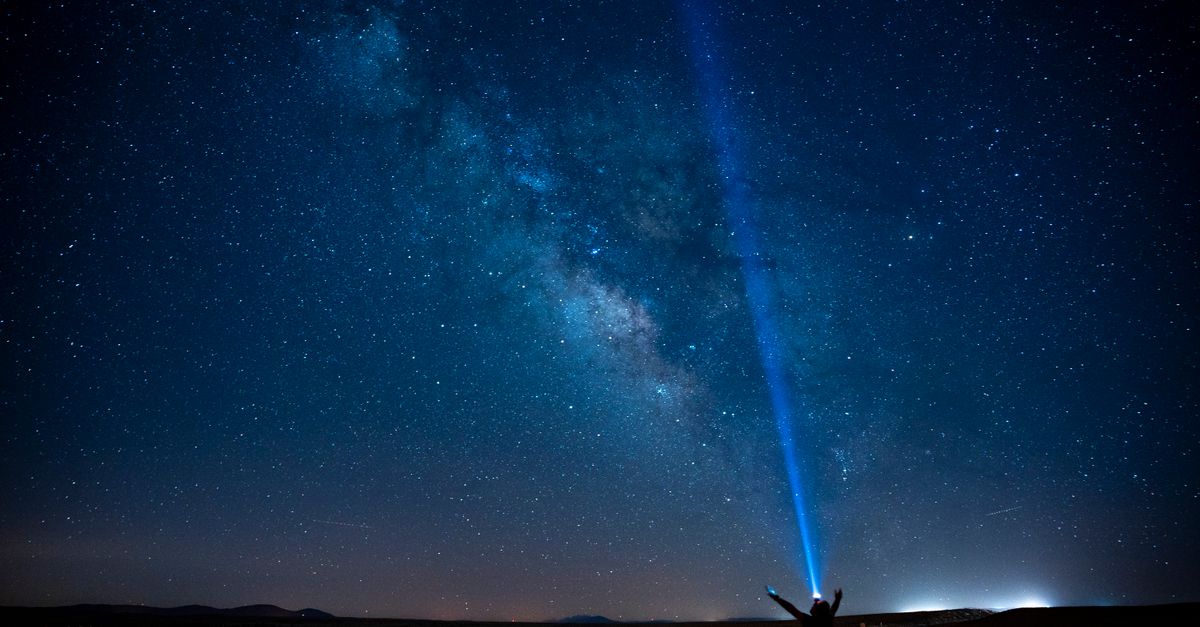 This photo was taken by Emre Mavi on Pexels.
When the sun dips below the jagged peaks of the High Sierra, California transforms into a celestial wonderland unlike anywhere else on Earth. With its high elevation, crisp mountain air, and strict light pollution controls, this region offers some of the darkest skies in the contiguous United States, inviting travelers to witness the Milky Way's luminous arc with breathtaking clarity. Whether you are an avid astronomer seeking the perfect vantage point or a curious traveler eager to gaze up at a universe teeming with stars, our guide will lead you through the most enchanting locations for stargazing. From remote wilderness areas to accessible campgrounds, we will explore where to go, what equipment you'll need to capture the magic, and essential safety tips to ensure your nighttime adventure is both memorable and secure.
The Allure of Dark Skies in the High Sierra
High above the smog-choked valleys of California's Central Valley and the sprawling urban sprawl of Los Angeles, the High Sierra offers a celestial sanctuary where the night sky transforms into a breathtaking tapestry of stars. With elevations often exceeding 8,000 feet, locations like Sequoia National Park, Kings Canyon, and the isolated peaks of the Ansel Adams Wilderness provide some of the darkest skies in the contiguous United States. Here, the Milky Way stretches across the horizon with such vivid clarity that it appears to spill over the jagged granite domes, creating an immersive experience that feels less like observation and more like walking through the cosmos itself.
For stargazers seeking solitude and awe, the winter months offer particularly pristine conditions, as cold, dry air minimizes atmospheric distortion and enhances visibility. Whether you are camping beneath the towering sequoias or setting up a telescope on a remote meadow near Tuolumne Meadows, the silence of the mountains amplifies the sense of wonder, allowing visitors to witness meteor showers and planetary alignments without the interference of light pollution. This unique darkness not only satisfies the curiosity of amateur astronomers but also reconnects travelers with the ancient, unfiltered beauty of the universe that has inspired poets and explorers for centuries.
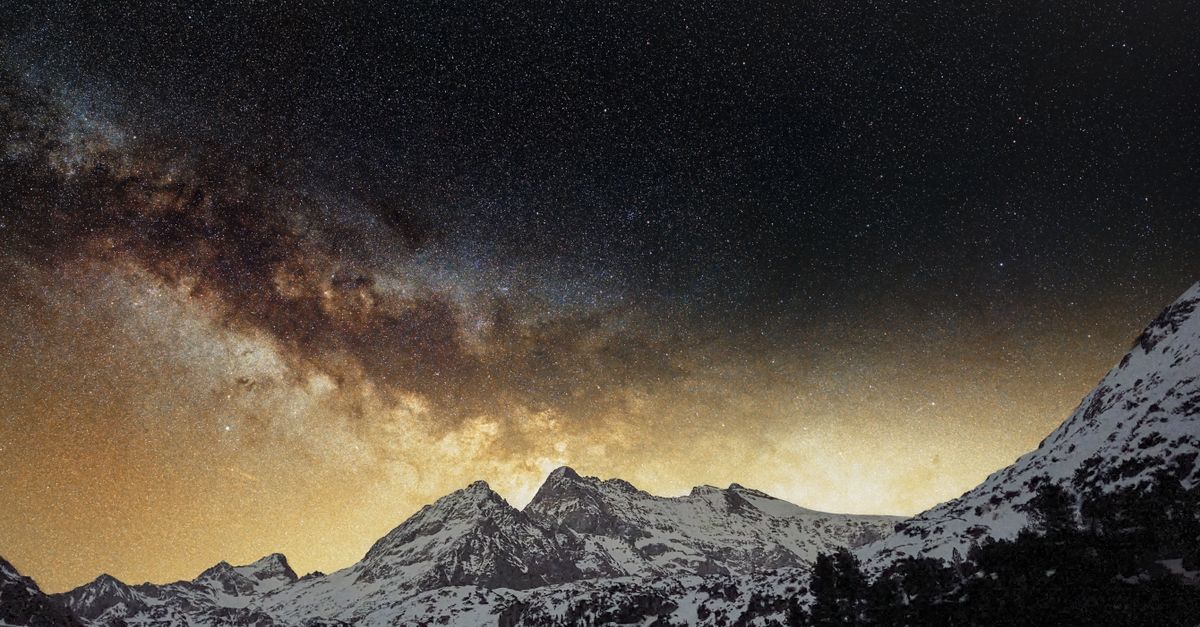 This photo was taken by Tobias Eicher on Pexels.
Top Destinations for Unobstructed Views
Nestled within the towering granite peaks of the High Sierra, Sequoia National Park offers a sanctuary where the sky seems to stretch infinitely above ancient giants. While the massive sequoias provide a dramatic foreground, it is the park's remote backcountry that truly delivers unobstructed views of the Milky Way. Visitors who trek beyond the crowded main roads to areas like the Minarets or the John Muir Wilderness will find themselves under a canopy so dark and clear that the band of our galaxy appears almost tangible, glowing with a brilliance rarely seen in urban environments. The crisp, high-altitude air acts as a natural lens, filtering out light pollution and atmospheric haze to reveal celestial wonders in their most vivid form.
For those seeking an even more isolated experience, the vast expanse of Death Valley National Park serves as a surprising yet premier destination for stargazing despite its proximity to the mountains. Although technically a desert basin at the park's edge, the elevation changes leading into the High Sierra region create a unique vantage point where the horizon remains completely clear of obstructions. On moonless nights here, the darkness is absolute, allowing faint stars and distant galaxies to shine with an intensity that feels otherworldly. Whether you are camping near the rugged slopes of the Sierra Nevada foothills or venturing deep into the park's wilderness, the combination of altitude, dry climate, and lack of artificial light makes these locations some of the best places on Earth to witness the cosmos without interruption.
 This photo was taken by Karol D on Pexels.
Essential Gear and Safety Tips for Nighttime Adventures
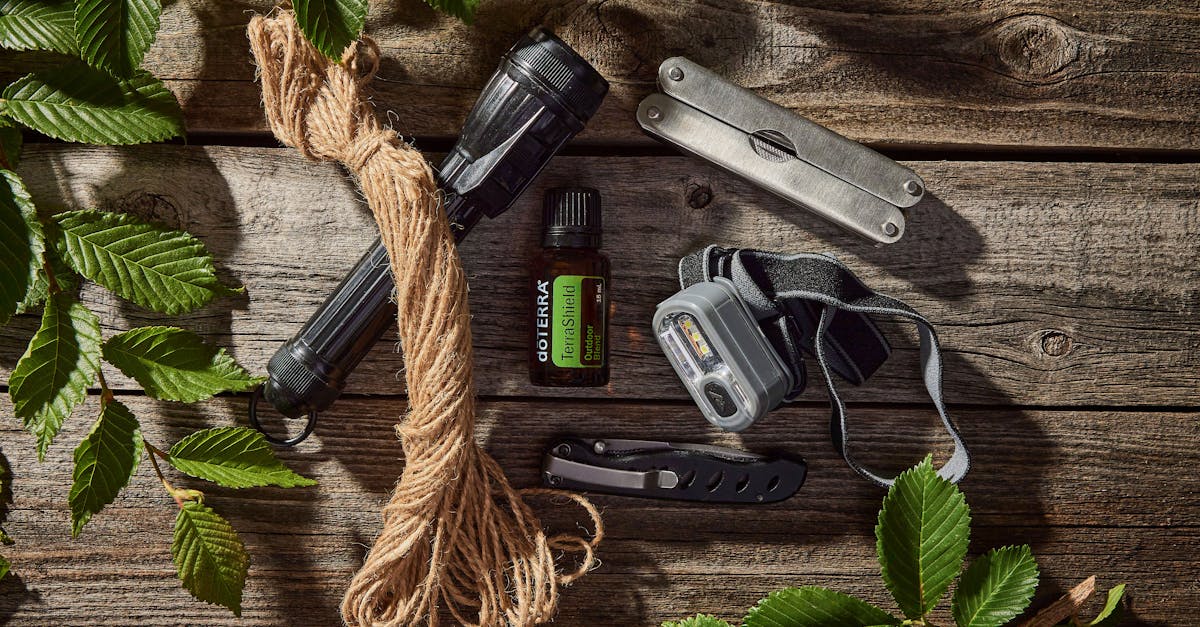
Preparing for a nighttime expedition in the High Sierra requires more than just a telescope; it demands a strategic approach to layering and lighting. The temperature in these high-altitude regions can plummet dramatically after sunset, so pack thermal base layers, an insulated jacket, and warm accessories like beanies and gloves to combat the chill. Essential gear also includes a red-light headlamp rather than a standard white one, as red light preserves your night vision while allowing you to navigate safely without disturbing other stargazers or wildlife. Additionally, bring a sturdy tripod for your camera, extra batteries which drain quickly in cold weather, and a thermos of hot tea or coffee to maintain your body heat throughout those long hours of celestial observation.
Safety is paramount when exploring remote areas after dark, especially given the unpredictable mountain weather and rugged terrain. Always inform someone of your itinerary and expected return time before heading out, as cell service is often nonexistent in the deep Sierra valleys. Be prepared for sudden weather shifts by carrying a compact emergency blanket and knowing how to identify early signs of hypothermia. Furthermore, respect the local ecosystem by staying on designated trails to avoid getting lost in the dark and keeping a safe distance from nocturnal wildlife such as coyotes and bears. By prioritizing these precautions, you ensure that your focus remains entirely on the breathtaking canopy of stars above rather than any potential hazards below.
 This photo was taken by doTERRA International, LLC on Pexels.