Sustainable Tourism: How to Explore California Responsibly
 This photo was taken by Erik Mclean on Pexels.
Welcome to the Golden State, a land where golden sunsets meet towering redwoods and endless coastlines stretch into the horizon. As your guide through this diverse paradise, I invite you to explore California not just as a visitor, but as a steward of its incredible beauty. This journey is about more than just ticking off iconic landmarks; it's about ensuring that these breathtaking landscapes and vibrant cultures remain thriving for generations to come. In this post, we will dive deep into the heart of responsible travel, offering practical ways to honor our environment and uplift the communities that make California so special. From mastering Leave No Trace principles in our wild spaces to choosing green transportation and eco-friendly stays, let's embark on an adventure that leaves nothing behind but footprints and only takes away memories.
Preserving California's Wild Spaces: Leave No Trace Principles
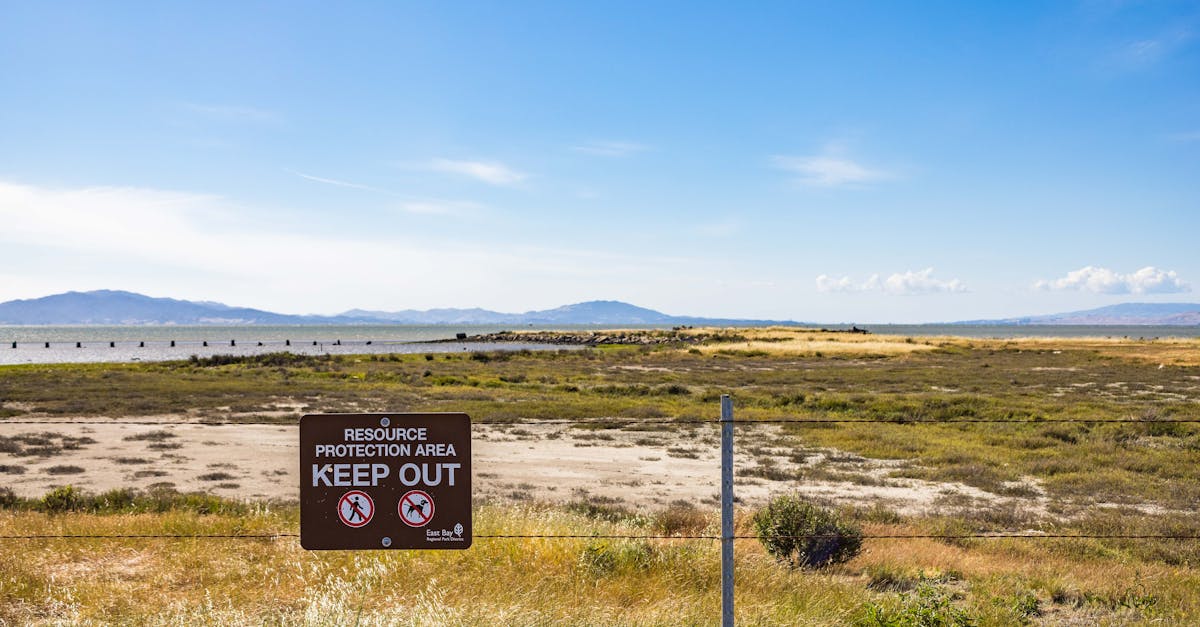
California's breathtaking landscapes, from the rugged peaks of the Sierra Nevada to the sun-drenched coastlines of Big Sur, rely on a delicate balance that responsible travelers must help maintain. Adhering to Leave No Trace principles is essential to ensuring these wild spaces remain pristine for future generations; this means packing out all trash, including biodegradable items like fruit peels, and respecting wildlife by observing animals from a safe distance without feeding or approaching them. Whether you are hiking the trails of Yosemite or camping along the Pacific Coast Highway, staying on designated paths prevents soil erosion and protects fragile vegetation, while minimizing campfire impacts through the use of established fire rings or portable stoves helps prevent devastating wildfires that have increasingly threatened our ecosystems.
Beyond physical conservation, sustainable tourism in California involves a deep respect for cultural heritage and local communities that steward these lands. Visitors should engage with Indigenous history respectfully and avoid removing natural artifacts such as rocks, plants, or historical relics, understanding that every object tells a story integral to the region's identity. By choosing eco-friendly accommodations, supporting local businesses, and participating in citizen science projects or guided conservation tours, tourists can actively contribute to the preservation efforts that keep California's wild spaces vibrant. Ultimately, the true beauty of the Golden State lies not just in its scenery, but in our collective commitment to leaving it better than we found it, ensuring that the magic of nature endures long after we have departed.
 This photo was taken by Robert So on Pexels.
Supporting Local Communities Through Conscious Travel Choices
One of the most impactful ways to explore California responsibly is by prioritizing local economies, ensuring that your travel dollars directly benefit the communities you visit. Whether you are sipping artisanal coffee in a small Napa Valley town or browsing handmade crafts at a farmers' market in Santa Fe de Nuevo Mexico-style districts throughout Southern California, choosing locally-owned businesses helps preserve the unique cultural fabric of these regions. By dining at family-run restaurants, staying in independently owned boutique hotels, and hiring local guides for your hiking adventures, you contribute to a more equitable distribution of tourism revenue, which supports families and fosters long-term community resilience against the challenges of over-tourism.
Conscious travel also extends to respecting the traditions and environments of Indigenous lands and rural areas that have stewarded California's landscapes for centuries. Engaging with authentic cultural experiences, such as attending tribal storytelling events or purchasing art directly from Native American artisans, demonstrates a deep respect for the heritage that defines the state's identity. When travelers make intentional choices to minimize their environmental footprint while maximizing their economic support for residents, they transform a simple vacation into a meaningful exchange that honors California's diverse populations and ensures that its natural beauty remains vibrant for future generations to enjoy.
 This photo was taken by Pexels User on Pexels.
Eco-Friendly Adventures: Green Transportation and Accommodation Options
Exploring the Golden State's diverse landscapes has never been more accessible without leaving a heavy carbon footprint, thanks to California's robust network of eco-friendly transportation. Travelers can easily navigate bustling cities like San Francisco and Los Angeles using extensive light rail systems, electric bus fleets, and bike-share programs that weave through scenic waterfronts and urban parks. For longer distances, the state offers electrified Amtrak routes along the Pacific Coast, providing breathtaking views of the ocean while significantly reducing emissions compared to flying or driving gas-powered vehicles. Whether you are cruising down Highway 1 in an electric rental car or pedaling through the vineyards of Napa Valley, choosing green transit allows you to immerse yourself in nature's beauty while actively supporting the state's commitment to a cleaner future.
Beyond getting there, your choice of lodging plays a pivotal role in responsible tourism, with California leading the way in sustainable hospitality practices across its regions. From the solar-powered eco-lodges nestled in the redwoods of Humboldt County to the LEED-certified boutique hotels in downtown San Diego, many accommodations now prioritize energy efficiency, water conservation, and zero-waste initiatives. Guests can often find properties that utilize locally sourced organic materials, offer composting programs, and partner with local farms to reduce food miles, ensuring their stay supports the local economy rather than depleting resources. By selecting these green-certified retreats, visitors not only enjoy unique, nature-integrated experiences but also contribute directly to preserving California's fragile ecosystems for generations to come.
 This photo was taken by tommy picone on Pexels.