Wildlife Watching: Where to See Seals, Whales, and Bears in California
 This photo was taken by Caique Araujo on Pexels.
Welcome to the Golden State, a land where the rugged Pacific coastline meets vast wilderness, offering some of the most spectacular wildlife encounters on Earth. From the sun-drenched rocky outcrops teeming with playful sea lions to the deep blue waters where majestic gray whales migrate and orcas hunt, California is a premier destination for nature lovers. But the adventure doesn't end at the water's edge; venture inland to discover the elusive black bears roaming our ancient redwood forests and mountain ranges. Whether you are a seasoned photographer or simply looking to connect with nature, this guide will lead you to the very best spots across the state to witness seals, whales, and bears in their natural habitat.
Pacific Coast Hotspots for Seal and Sea Lion Sightings
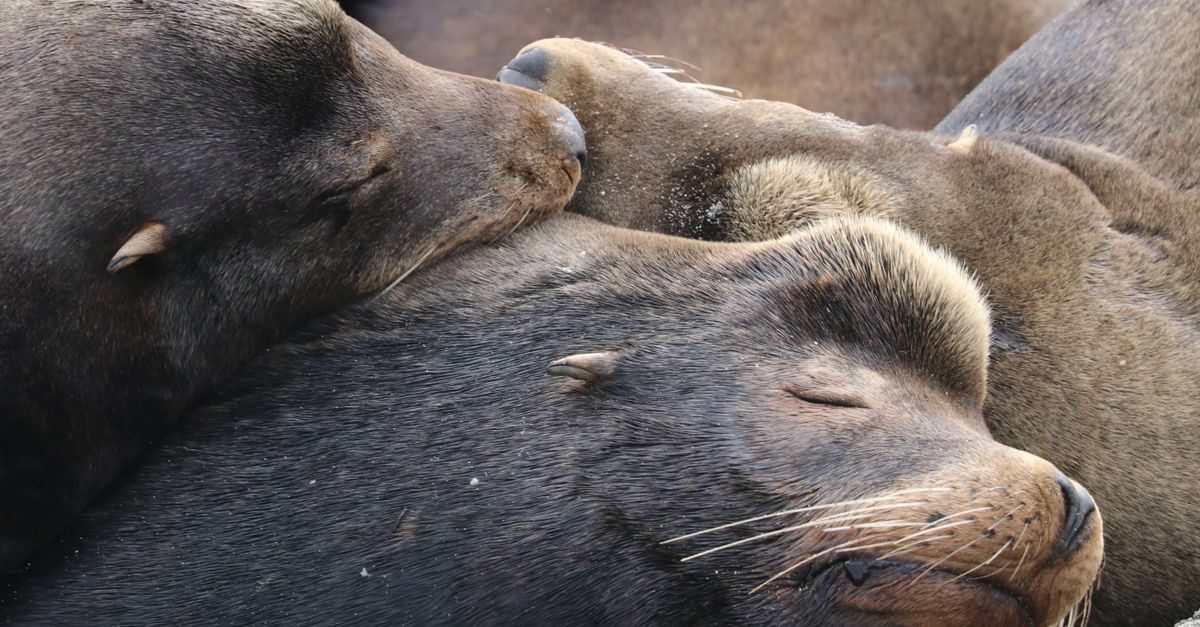
For those seeking the quintessential California coastal experience, the stretch of shoreline from Morro Bay down to San Diego offers some of the world's premier vantage points for spotting seals and sea lions. At Pismo Beach State Beach, you can often find large rookeries of elephant seals lounging on the sand, particularly during their breeding season between November and April, while the rocky outcrops near Santa Barbara provide a bustling habitat for playful Steller sea lions basking in the sun. Further south, the iconic bluffs of La Jolla Cove in San Diego serve as a year-round sanctuary where hundreds of harbor seals and young pups rest alongside curious sea lions that frequently approach swimmers and kayakers, creating an unforgettable close-up encounter with marine life.
To truly maximize your chances of witnessing these charismatic creatures in their natural element, timing your visit is just as crucial as choosing the right location. Early mornings or late afternoons are ideal, as the tides recede to expose more resting areas, and the animals are often most active before the midday heat sets in. Whether you are observing from the safety of a designated viewing platform at Point Lobos State Natural Reserve or taking a responsible boat tour from Monterey Bay, remember to maintain a safe distance; these animals are wild and protected by law, so using binoculars or zoom lenses allows you to appreciate their antics without causing stress to the colony. With patience and respect for their habitat, these Pacific Coast hotspots promise an awe-inspiring glimpse into the vibrant underwater ecosystem that defines California's rugged coastline.
 This photo was taken by marnock on Pexels.
Whale Watching Seasons: From Gray Whales to Orcas
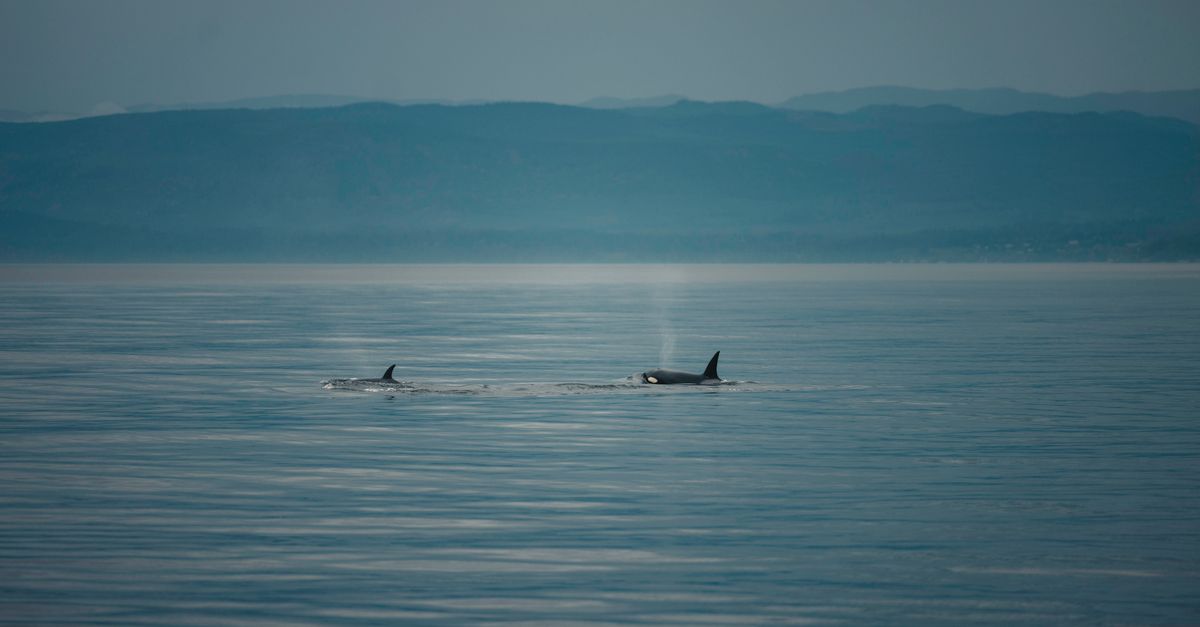
California's coastline offers a spectacular annual migration that draws nature enthusiasts from around the globe, with the gray whale season being the crown jewel of our wildlife calendar. From mid-December through April, millions of these gentle giants travel the Pacific route, moving south to Mexico for breeding and returning north in the spring to feed in the nutrient-rich waters off the coast. The best viewing spots during this period include the Channel Islands, Santa Barbara, and the shores of Big Sur, where you can often spot mothers nursing their calves or breaching close to shore. For those seeking a more dynamic encounter later in the year, the summer and early fall months bring a different kind of excitement as transient killer whales, or Orcas, frequent our waters hunting seals and sea lions, particularly near Monterey Bay and the Farallon Islands.
While the gray whales offer a predictable and heartwarming spectacle, spotting Orcas requires a bit more patience and timing, as they are highly mobile predators that do not follow a strict seasonal schedule like their baleen cousins. However, dedicated tour operators along the central and northern coasts have found reliable hotspots where these majestic pods appear regularly between June and September. Beyond the cetaceans, this time of year also coincides with peak activity for other marine mammals; harbor seals and elephant seals haul out on rocky beaches from San Diego up to Humboldt County to rest and molt, providing endless entertainment for observers on land. Whether you are booking a boat excursion or finding a scenic overlook, California's diverse seasons ensure that there is always a new chapter of marine life to discover along its 840 miles of rugged shoreline.
 This photo was taken by Ali Kazal on Pexels.
Coastal Encounters: Where to Spot California Bears in the Wild
While California is most famous for its coastal seals and migrating whales, the state's rugged shoreline also offers a rare chance to encounter one of nature's most majestic land mammals: the black bear. Unlike their mountain cousins, these coastal bears have adapted to life near the ocean, often venturing onto beaches during low tide to scavenge for crabs, clams, and kelp that wash ashore. The best places to spot them are in the remote stretches of the Pacific Coast Highway, particularly around Big Sur and the Mendocino Coast, where dense forests meet the sea. Visitors should always maintain a safe distance and use binoculars or telephoto lenses, as these powerful creatures can be unpredictable when protecting their food sources or young.For those seeking a more structured wildlife experience, the Santa Cruz Islands and certain sections of the Channel Islands National Park provide protected habitats where black bears roam freely among the chaparral and oak woodlands. These islands serve as sanctuaries, free from many of the human disturbances found on the mainland, allowing bears to exhibit natural foraging behaviors without interference. Early morning hikes along designated trails offer the highest probability of sightings, especially during spring and summer when fresh vegetation attracts both herbivores and their predators. Remember that seeing a bear in the wild is a privilege that requires respect; never attempt to feed them or approach too closely, ensuring that these magnificent animals continue to thrive in their unique coastal ecosystem for generations to come.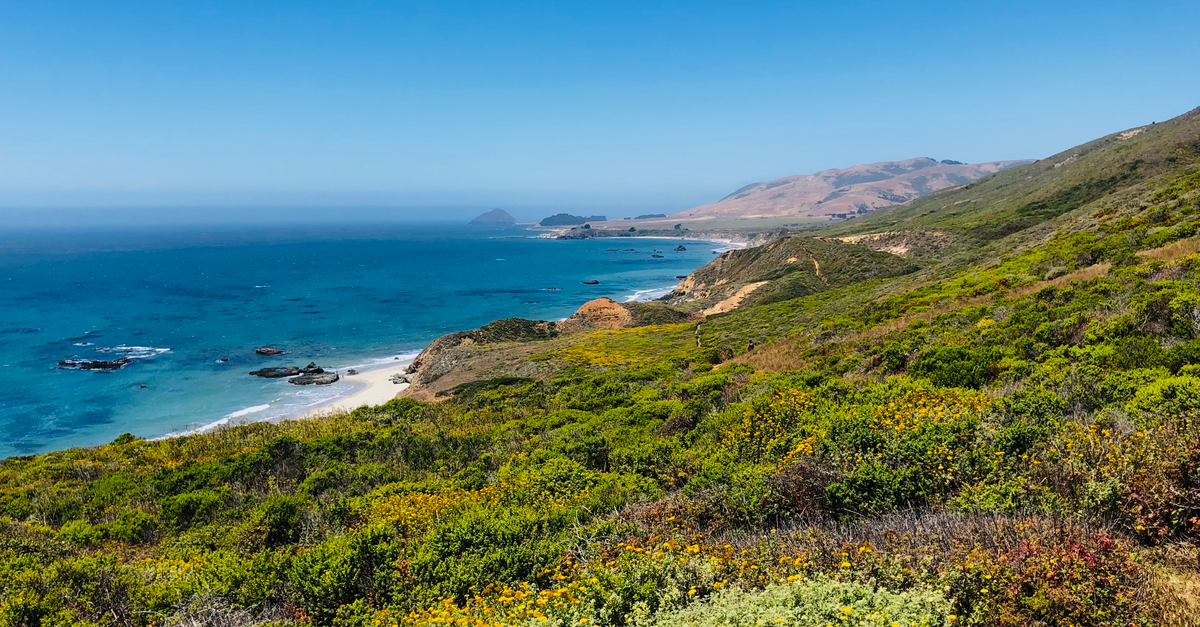 This photo was taken by Peter Yu on Pexels.