Wildlife Watching: Where to Spot Bears, Whales, and Sea Lions
 This photo was taken by Caique Araujo on Pexels.
Welcome to the Golden State, where the wild side of California offers some of the most unforgettable wildlife encounters in the world. From the misty redwood canyons to the rugged Pacific coastline, our diverse ecosystems serve as a sanctuary for majestic creatures that roam freely. Whether you are an avid hiker hoping to catch a glimpse of a grizzly bear in its natural habitat, a marine enthusiast eager to witness the gentle migration of whales along our shores, or simply someone who wants to hear the raucous barks of sea lion colonies on the rocky outcrops, this guide has you covered. Join us as we explore the premier locations across California where nature's grandest performances unfold every season.
Grizzly Encounters: The Best Hiking Trails for Bear Sightings
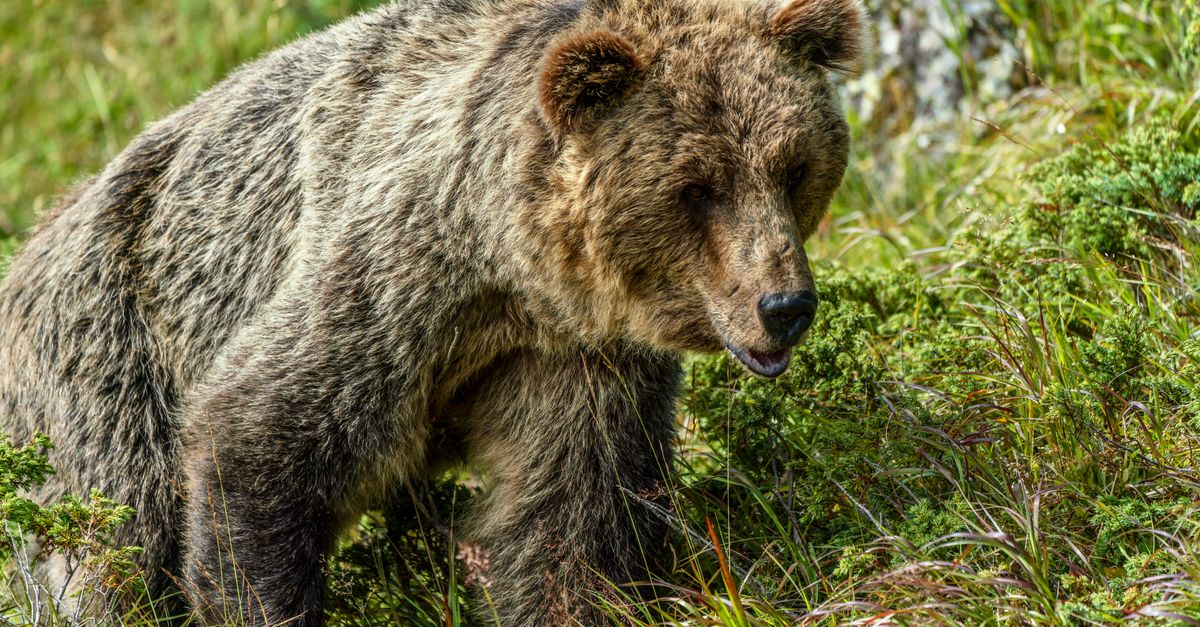
For the intrepid hiker seeking a thrilling encounter with California's most iconic terrestrial predator, Yosemite National Park remains the undisputed crown jewel of bear viewing. While Grizzly bears were once hunted to extinction in the state, their black bear cousins thrive here, particularly along the Upper and Lower Yosemite Falls trails where visitors often spot them foraging for berries or climbing the majestic granite cliffs. The best time to witness these magnificent creatures is during the spring thaw when they emerge from hibernation hungry and active, though early summer offers clearer visibility as the forest floor dries out. Remember that safety is paramount; always maintain a respectful distance of at least 50 yards, carry bear spray, and never attempt to feed these powerful animals, ensuring that both you and the wildlife enjoy this wild spectacle safely.
Beyond the high country of the Sierra Nevada, the rugged coastline of Big Sur and the dense redwood forests of Humboldt County offer equally spectacular opportunities for bear sightings in a dramatic marine setting. Hikers on the McWay Falls trail or the coastal paths near Julia Pfeiffer Burns State Park might catch a glimpse of black bears venturing down from the mountains to scavenge for sea otters or driftwood, creating a unique intersection of terrestrial and marine ecosystems. These trails provide a quieter, more secluded experience compared to the bustling parks, allowing for intimate moments of observation amidst towering ancient trees and crashing Pacific waves. Whether you are trekking through misty fog or basking in golden afternoon light, these hidden gems prove that California's wilderness is teeming with life waiting to be discovered by those willing to step off the beaten path.
 This photo was taken by Susanne Jutzeler, suju-foto on Pexels.
Pacific Giants: Prime Locations for Whale Watching Season
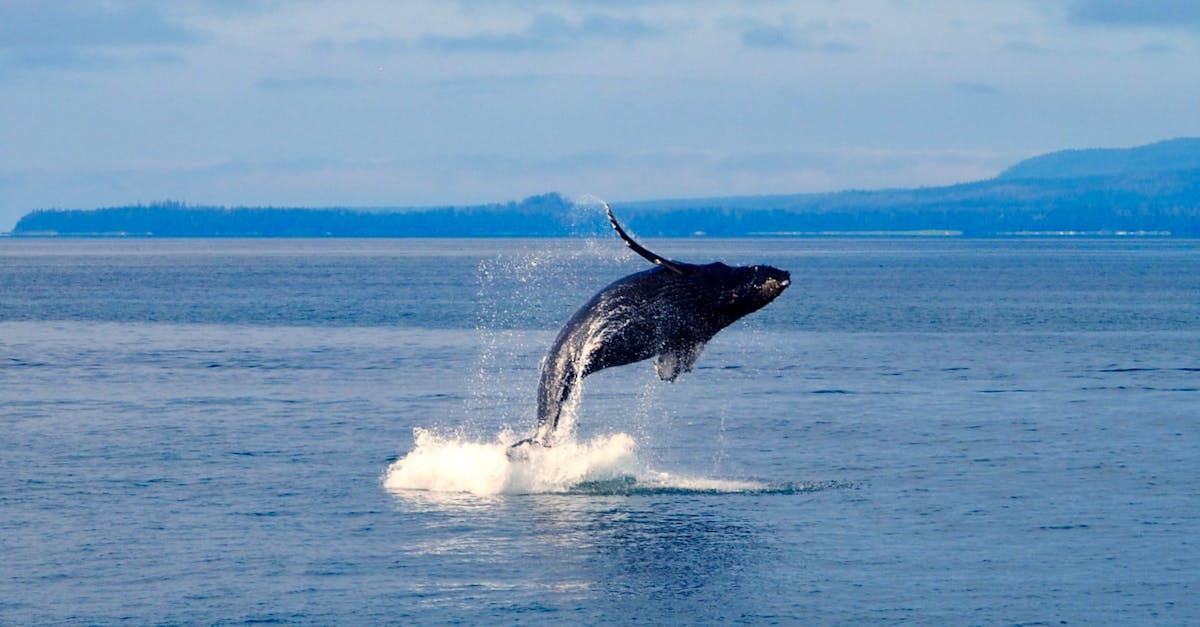
As the Pacific Giants migrate along the California coast, winter and early spring transform our shoreline into a spectacular stage for one of nature's most majestic displays. While you can spot these leviathans from various vantage points, the cliffs of Point Lobos State Natural Reserve near Monterey offer an unrivaled experience, where humpback whales breach just yards from the shore. For those seeking the thrill of seeing gray whales making their annual journey south to Baja California, the bluffs of La Jolla Cove in San Diego provide an intimate viewing platform that feels worlds away from the crowds. Whether you are watching the gentle giants glide through the mist or witnessing a calf playing in the wake of its mother, these prime locations ensure that every moment is etched into your memory as a true Californian adventure.
Timing is everything when chasing these ocean titans, with peak seasons typically running from late December through April, though specific sightings can vary based on migration patterns and ocean conditions. To maximize your chances, consider booking a guided boat tour departing from Moss Landing or Santa Barbara, where local naturalists can point out feeding behaviors and social interactions that might be missed from land. Beyond the whales, keep your eyes peeled for the playful antics of sea lions often seen frolicking alongside the pods, adding another layer of wildlife wonder to your expedition. By choosing these dedicated hotspots during the right months, you not only support sustainable tourism but also contribute to the conservation efforts that protect these magnificent creatures for generations to come.
 This photo was taken by Timon Cornelissen on Pexels.
Rocky Shorelines: Where to Observe Sea Lion Colonies
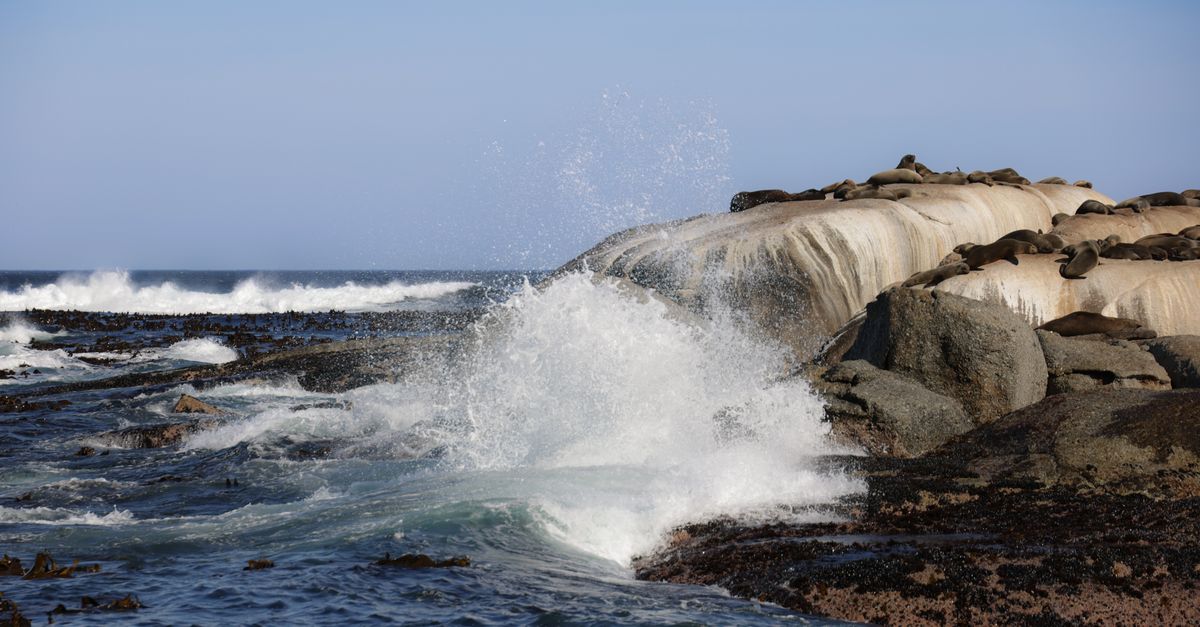
California's rugged Pacific coastline offers some of the most spectacular viewing opportunities for sea lion colonies, particularly along the dramatic cliffs of the Central Coast and Southern California. A must-visit destination is Morro Bay, where hundreds of Steller sea lions bask on the iconic Morro Rock, creating a lively spectacle against the backdrop of the historic lighthouse. Similarly, the Channel Islands National Park provides a pristine sanctuary where visitors can observe these playful mammals from a respectful distance via guided boat tours or while kayaking through the serene channels surrounding Anacapa and Santa Cruz Islands. The contrast between the dark, weathered rocks and the sleek, brown bodies of the sea lions makes for an unforgettable photographic experience that captures the raw energy of the marine environment.
For those seeking a more accessible urban encounter, the harbor at San Diego's La Jolla Cove is world-renowned for its resident population of California sea lions who have claimed the tide pools and rocky outcrops as their own. Here, you can stand directly on the shore and watch them haul themselves onto the sand, vocalize with their distinctive barks, and dive gracefully into the crystal-clear waters just feet away from swimmers and snorkelers. It is essential to maintain a safe distance of at least 50 yards to ensure the safety of both the animals and yourself, as these powerful creatures are wild and unpredictable. Whether you are watching them sunbathe during the midday heat or listening to their raucous gatherings at dusk, these rocky shorelines offer an intimate glimpse into the daily lives of one of California's most charismatic marine mammals.
 This photo was taken by Magda Ehlers on Pexels.